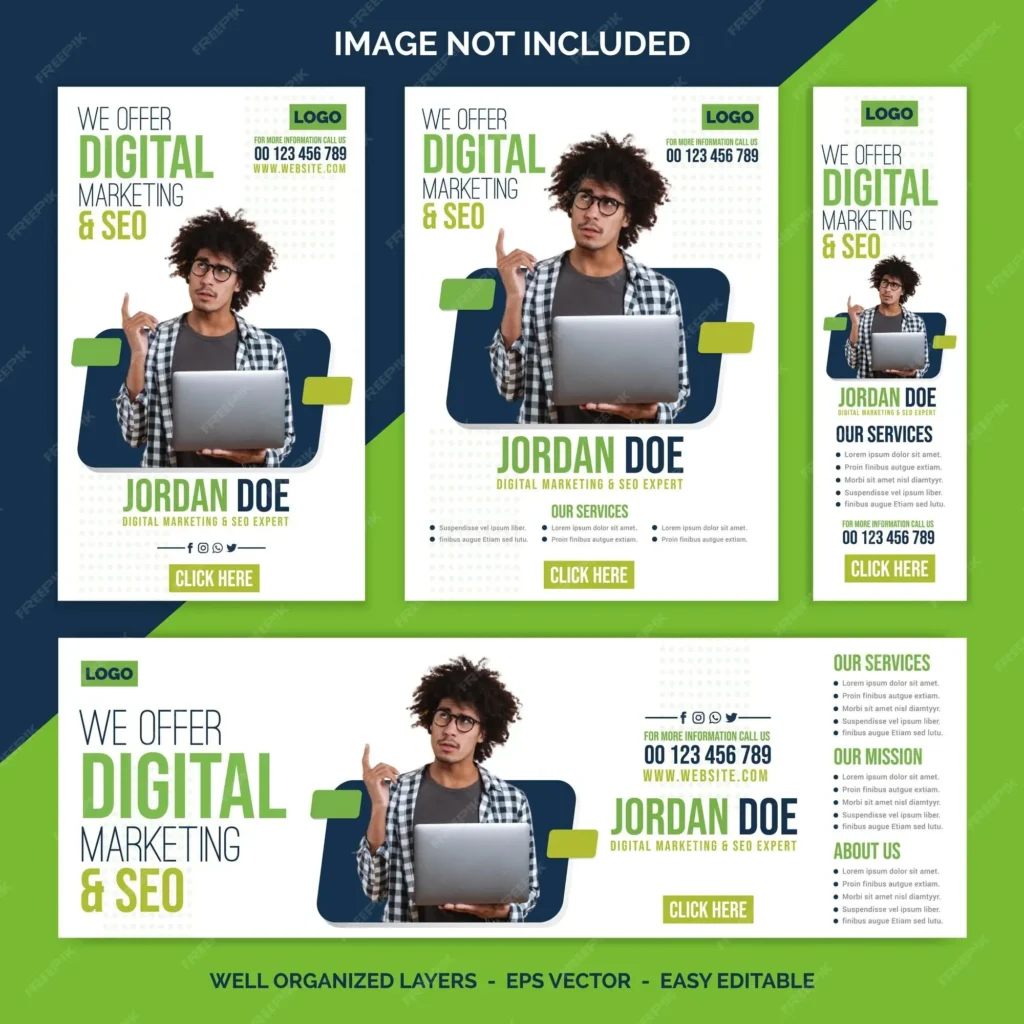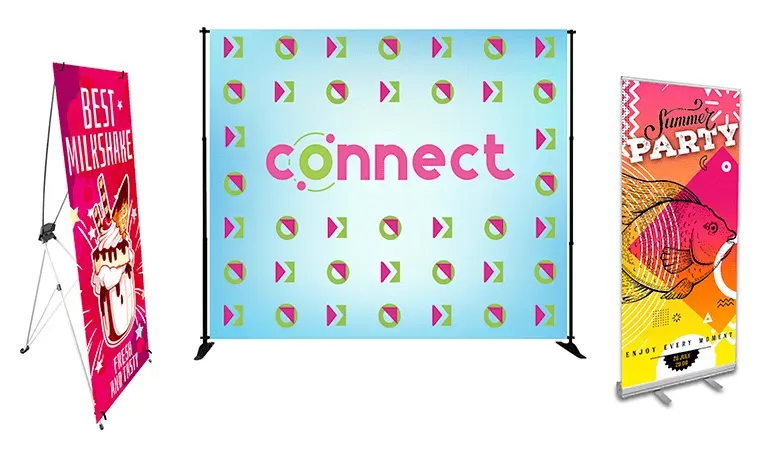
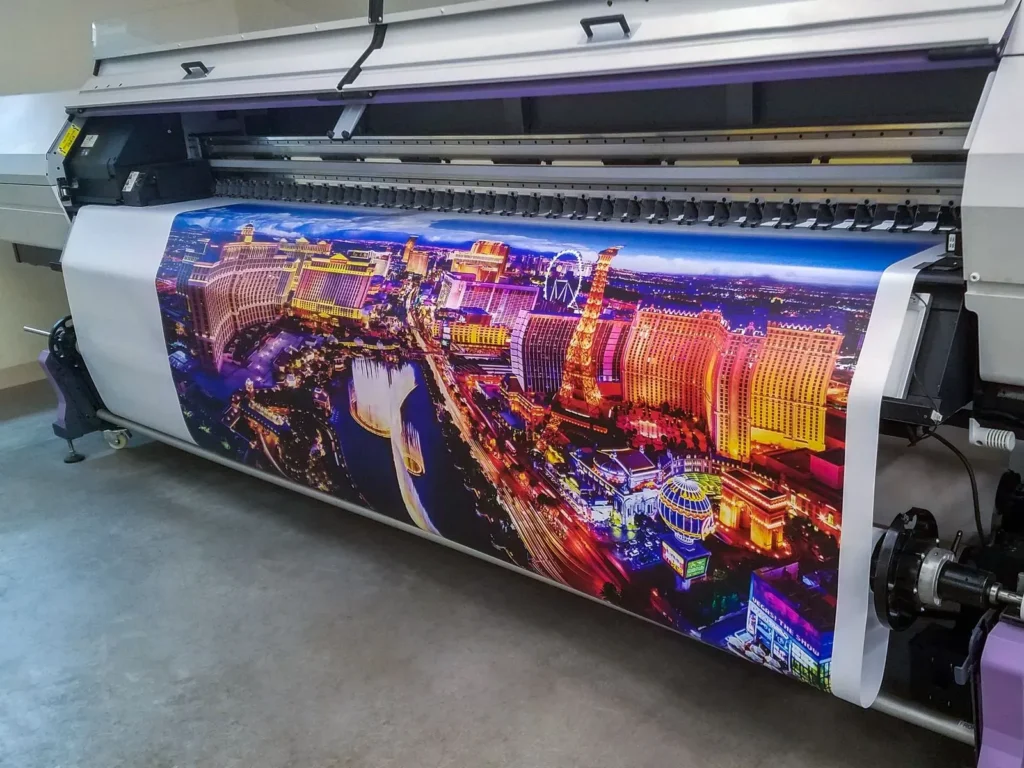
Custom banner printing is at the heart of successful marketing, combining striking design with durable materials. Understanding banner printing materials helps you balance weather resistance, print quality, and cost for long-lasting impact. From vinyl banners that weather outdoor conditions to fabric options that offer a premium look, choosing the right substrate is crucial. Selecting the right banner sizes and finishes ensures legibility from a distance and a polished, professional appearance. By integrating a smart custom banner design with these elements, you create signs that inform, attract, and convert viewers.
To frame this topic from another angle, consider tailored signage production that blends material selection, print technique, and mounting options for versatile campaigns. Using diverse display media and sign formats, advertisers achieve consistent branding across both indoor and outdoor environments. The goal remains to deliver legible, visually engaging messages through careful choice of substrate, printing method, and protective finishes. By thinking in terms of signage solutions, you can map your needs to effective banners, signs, and displays that align with your brand.
Custom banner printing materials: How substrate choices impact durability and appearance
Material selection is the foundation of Custom banner printing. The substrate you choose—whether vinyl banners, PVC banners, fabric, or mesh—shapes durability, print quality, weather resistance, and overall cost. When you start with the right banner printing materials, you set the stage for vibrant color, sharp detail, and legibility from a distance. Look for substrates that align with your display environment and audience, and consider finishes like lamination or UV coating to protect against sun and moisture.
Vinyl banners are the workhorses of outdoor campaigns, offering moisture resistance and flexible application. PVC banners provide a sturdy alternative with strong weather resistance and a substantial feel, ideal for large-format displays. For upscale indoor branding, fabric banners made from polyester deliver premium print quality and refined aesthetics, while mesh banners strike a balance between visibility and durability in windy outdoor conditions. Each material brings tradeoffs, so tie your choice to placement, duration, and mounting method while keeping your custom banner design goals in view.
Banner sizes that maximize readability and engagement
Choosing the right banner sizes directly affects how quickly viewers understand your message. Indoor banners benefit from smaller, more detailed formats, while outdoor banners demand larger scales to attract attention from afar. When selecting banner sizes, prioritize viewing distance, legibility, and the amount of information you need to convey, as these factors drive overall impact.
Common indoor sizes such as 2×4 feet, 3×5 feet, and 4×8 feet work well for storefronts and conference rooms, whereas larger indoor banners in the 5×8 or 8×10 range can create a strong focal point without overwhelming a space. Outdoor banners often require sizes like 4×8, 6×8, and 8×12 feet, with options for 10×20 feet or larger. Plan for wind loads and mounting hardware to ensure your banner remains legible and securely displayed across campaigns.
Finishes and protective features that elevate your banner
Finishes are the finishing touches that protect the message and improve usability. Two common features—grommets and hems—reinforce edges for easy hanging and prevent edge tearing in high-traffic environments. UV coating or lamination shields colors from sun and rain, preserving readability and extending the life of outdoor banners.
Gloss and matte options offer strategic advantages: gloss can intensify color depth for high-energy displays, while matte reduces glare in bright lighting. Additional practical finishes, such as pole pockets, wind slits, and reinforced corners, enhance stability and durability in challenging locations. When planning Custom banner printing, discuss the intended placement and mounting method to select finishes that meet practical and aesthetic needs.
Design guidance for effective branding: custom banner design principles
Design is inseparable from materials, sizes, and finishes in the realm of custom banner printing. A strong layout uses high-contrast color combinations, legible typography, and concise messaging so the banner communicates at a glance. Your custom banner design should integrate your brand identity—logos, color palette, and typography—into a composition that remains legible from the intended viewing distance.
Beyond aesthetics, consider safe margins, readable font sizes, and avoiding overly dense text. Align the artwork with the chosen banner printing materials and finishing options to ensure color fidelity and edge safety during trimming and grommet placement. A cohesive approach—design, material choice, size, and finish—creates a banner that supports branding across events and locations.
Printing methods and durability: digital vs. traditional approaches for different substrates
Digital printing has transformed banner production, enabling fast turnaround and cost-effective prints for short to medium runs on vinyl banners, PVC banners, and fabric substrates. It delivers vibrant color, fine detail, and consistent results across large formats, making it a go-to choice for most modern banner projects.
Screen printing remains a viable option for specific applications, particularly when dense ink coverage on fabric or mesh is desired. When selecting a printing method, factor in the material, exposure, and longevity requirements. Outdoor banners benefit from UV-resistant inks and protective lamination to minimize fading, while indoor banners used for shorter campaigns can be produced with standard inks and appropriate finishes to optimize readability and cost.
Frequently Asked Questions
What are the best banner printing materials for Custom banner printing outdoors?
For outdoor Custom banner printing, choose durable banner printing materials such as vinyl banners with UV-resistant coatings or laminated faces, and PVC banners as cost-effective options. These substrates resist moisture and sunlight, keeping colors vibrant. If wind is a concern, consider mesh banners or reinforced options; always review material specs from your supplier.
How do banner sizes affect readability in Custom banner printing?
Banner sizes influence viewing distance and legibility in Custom banner printing. For indoor spaces, use sizes like 2×4 ft, 3×5 ft, or 4×8 ft; for outdoor impact, consider 4×8 ft, 6×8 ft, or 8×12 ft (larger sizes for stadiums). Ensure font size and layout match the chosen size to maintain clear messaging.
What finishes should I consider in Custom banner printing?
In Custom banner printing, finishes protect the banner and improve usability. Common finishes include grommets and hems for hanging, UV coating or lamination for weather resistance, and options like pole pockets or wind slits for specific installations.
How can I optimize custom banner design for Custom banner printing?
For effective custom banner design, prioritize high-contrast colors, legible typography, and concise messaging. Ensure the artwork follows safe margins for trimming and grommet placement, and align the design with your brand identity to enhance recognition.
What are the tradeoffs between vinyl banners and PVC banners in Custom banner printing?
Vinyl banners and PVC banners are both durable options in Custom banner printing. Vinyl banners generally offer great print quality and moisture resistance, while PVC banners can be stiffer and heavier. Compare weight, coating, and price on the spec sheet to choose the best banner printing materials for your project.
| Aspect | Key Points |
|---|---|
| Materials | Vinyl: durable and moisture resistant; ideal for outdoor use. PVC: strong, weather-resistant; similar to vinyl with subtle differences. Fabric: premium indoor look and rich color; less weatherproof but great for upscale branding. Mesh: wind‑friendly, lower opacity; good for outdoor displays on buildings or fences. Choose based on environment, duration, and mounting. |
| Banner Sizes | Indoor: common sizes include 2×4 ft, 3×5 ft, 4×8 ft; larger indoor banners 5×8 ft to 8×10 ft. Outdoor: 4×8 ft, 6×8 ft, 8×12 ft; 10×20 ft or larger for stadiums or building wraps. Consider viewing distance, font size, and information density. |
| Finishes & Features | Grommets and hems for hanging and durability. UV coating or lamination protects colors outdoors. Gloss increases color depth; matte reduces glare. Optional: pole pockets, wind slits, reinforced corners for high-traffic areas. |
| Printing Methods | Digital printing offers fast turnaround and strong results on vinyl, PVC, and fabric with vibrant color. Screen printing remains viable for dense ink on fabric or mesh. Outdoor projects benefit from UV-resistant inks and protective lamination to minimize fading. |
| Branding & Design | Design should align with brand identity: high-contrast color palettes, legible typography, and concise messaging. Include logos, colors, and typography consistently. Ensure safe margins to avoid cropping near grommets or hems. |
| Practical Tips | Start with a clear brief; choose materials for weather and durability; prioritize readability and concise messaging; plan mounting hardware; request proofs or test prints; plan for long-term use and repeated campaigns. |
| Durability & Sustainability | Durability depends on material and coatings. Vinyl with UV inks lasts longer outdoors; mesh reduces wind load; fabric offers premium indoor aesthetics. Look for eco-friendly inks and recyclable or reusable substrates where possible. |