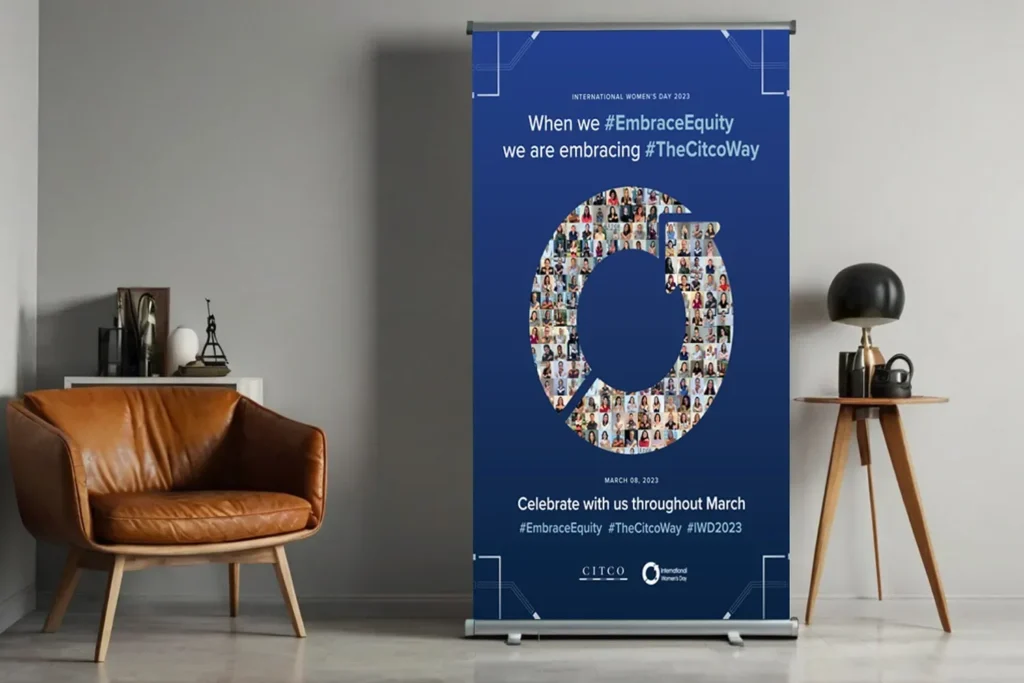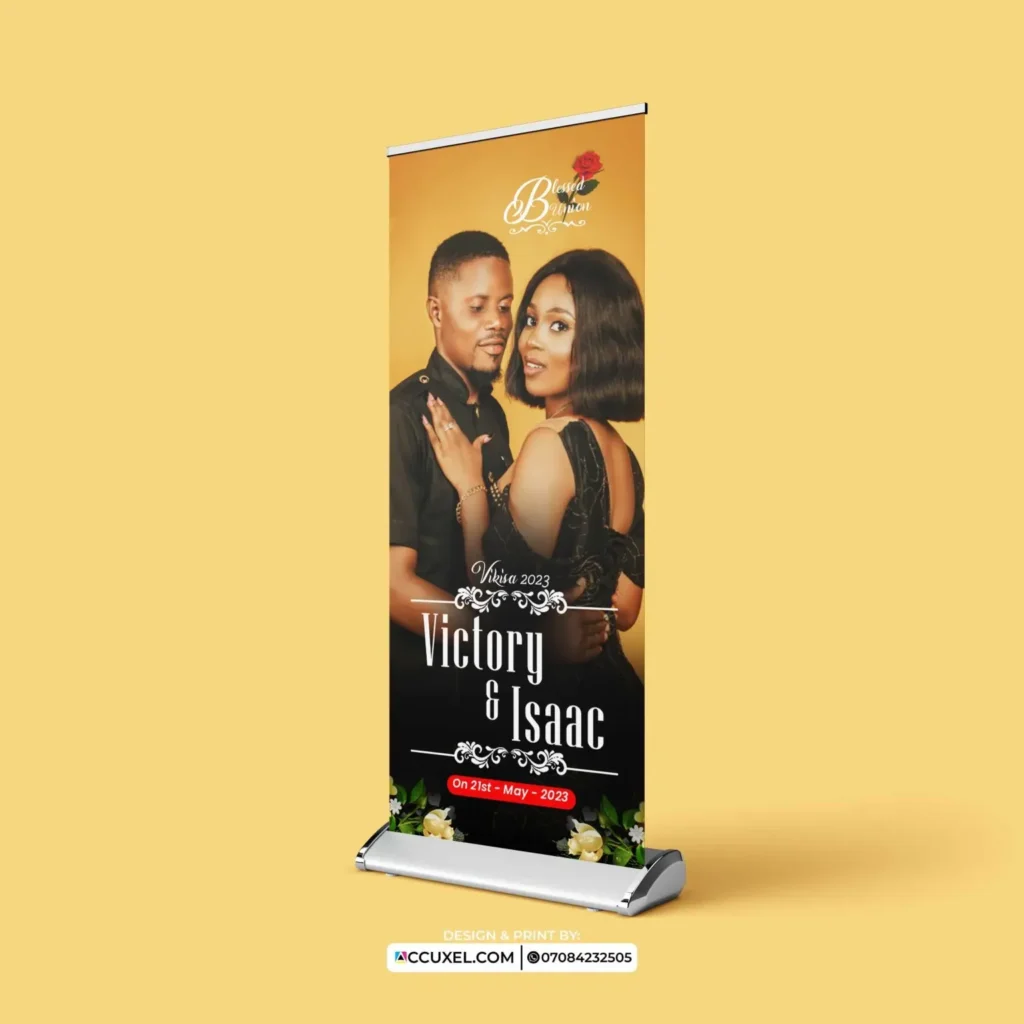
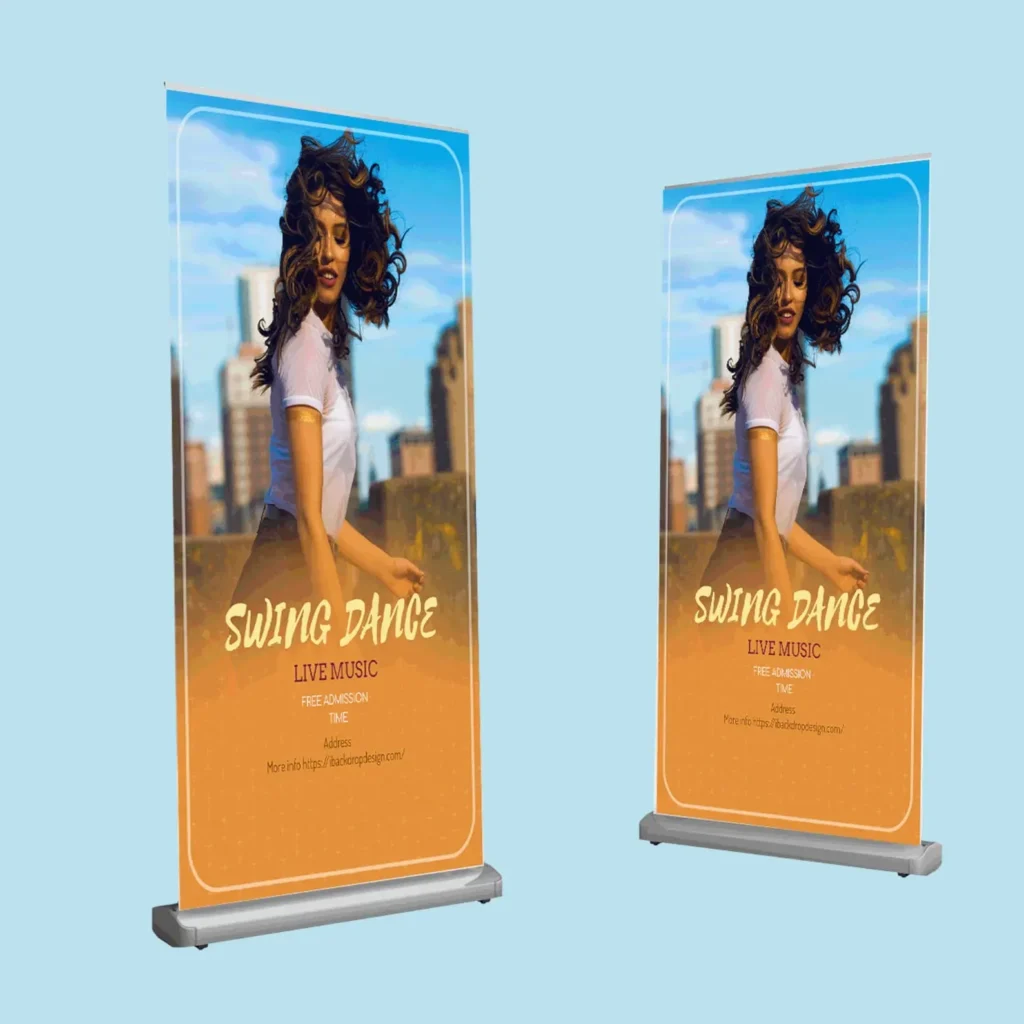
A custom roll-up banner is not just a graphic prop; it’s a deliberate, high-impact introduction that stops attendees in their tracks, conveys core value at a glance, and sets the tone for a cohesive booth experience by weaving branding, messaging, and visual cues into a compact, easy-to-scan package that works across different lighting conditions, traffic patterns, and nearby displays. In this introductory exploration of how a single, well-designed banner can drive event traffic optimization, we unpack the decisions that turn a simple display into a measurable marketing asset, from audience-aware messaging and typography choices to hierarchy, balance, and the right call to action that invites a closer look. We examine layout choices that influence quick reading—from bold headlines to high-contrast color, image selection, and spacing—so passersby can grasp the value proposition in seconds, feel invited to learn more, and remember your brand long after they move on. By weaving a scannable QR code to a targeted landing page and aligning booth workflow with live demonstrations, staff conversations, and takeaway materials, the banner becomes a strategic touchpoint that accelerates the path from impression to inquiry and provides a trackable metric to prove ROI. With thoughtful placement, consistent branding, and ongoing optimization based on post-event feedback, a well-crafted roll-up banner can lift foot traffic, extend dwell time, and convert curiosity into qualified conversations that drive tangible results across future events.
Subheading 1: Custom Roll-Up Banner — A Strategic Asset for Event Traffic Optimization
In busy expo environments, a single, well-crafted asset can steer attention and guide attendees toward meaningful interactions. A custom roll-up banner functions as a strategic touchpoint that clarifies value at a glance, supporting event traffic optimization by signaling who you are and what you offer in just a few seconds. When designed deliberately, this banner helps convert curiosity into engagement, increasing foot traffic to the booth and creating a smoother path from first glance to conversation.
This approach aligns with concepts from roll-up banner design for events and banner design for events, ensuring the visual language is instantly recognizable within the booth ecosystem. By prioritizing a glanceable value proposition, a simple call to action, and a trackable element like a QR code, the banner becomes more than decoration—it becomes a measurable driver of interest and inquiry within the event context.
Subheading 2: Design Principles for Effective Roll-Up Banners at Trade Shows
Key design principles help ensure banners capture attention without overwhelming nearby displays. Brand consistency across colors, typography, and imagery reinforces recognition, while a strong visual hierarchy places the core message at the top for quick comprehension on a crowded expo floor. Readability from a distance is essential, so bold typography and high-contrast color choices support legibility as attendees pass by.
Imagery and iconography should convey value quickly, such as a simple workflow diagram or a concise hero image that aligns with the event audience. Size and format must fit common trade show setups to maximize visibility without crowding adjacent displays. These considerations—together with banner stands for events—form the backbone of an effective banner system and are often aligned with trade show banner ideas to optimize space and impact.
Subheading 3: Audience-Driven Messaging — Aligning Content with Event Visitors
Successful banners start with a clear understanding of who you are speaking to. In the case study, developers, IT managers, and decision-makers were identified as the target audience, guiding messaging hierarchy and sequencing. An audience-driven approach ensures the most relevant problem, benefit, and next step are visible at a glance, reducing cognitive load for busy attendees and improving the likelihood of engagement.
The messaging should answer essential questions quickly: What problem does this solve? How is it different? What should attendees do next? By coupling concise copy with a trackable CTA—such as a QR code or a short URL connected to a landing page—marketers can measure how banner exposure translates into qualified interest, reinforcing the link between banner design for events and real outcomes in the event funnel.
Subheading 4: Placement, Integration, and Traffic Flow — From Banner to Demos
Placement decisions shape visibility and dwell time. Positioning the banner along sightlines near the booth entrance creates natural pauses for attendees as they decide which booths to approach. When the banner is integrated with live demonstrations and staff conversations, it becomes a gateway to deeper engagement rather than a standalone prop. The resulting flow—attention from the banner, curiosity sparked by the value proposition, and a direct path to a live demonstration—drives more meaningful interactions.
Effective banners do not stand alone; they harmonize with demonstrations, handouts, and digital touchpoints. The combination of a clear next step, aligned booth activities, and consistent messaging helps attendees move from impression to interaction. This is where banner stands for events and thoughtful placement intersect with on-site workflows to optimize visitor flow and lead capture.
Subheading 5: Measuring Impact — Metrics, Testing, and Continuous Improvement
Quantifying banner impact is essential to understand its role in event traffic optimization. Track metrics such as booth foot traffic in the banner zone, dwell time, and the number of interactions with the QR code or booth staff. These signals indicate whether the banner is effectively drawing attention and guiding attendees toward deeper engagement.
A data-driven approach includes testing variations—headlines, imagery, and call-to-action copy—using controlled experiments at smaller events or pilot booths. By comparing baseline measurements with post-implementation results, teams can refine design decisions and messaging to sustain improvements in lead quality, conversion rates, and overall brand recall across future trade shows.
Subheading 6: Practical Takeaways for Future Campaigns — From First Look to Qualified Leads
The practical takeaway is to treat a banner as a strategic instrument rather than a decorative prop. Invest in a strong value proposition, ensure legibility from across the aisle, and include a trackable CTA that ties impressions to engagement. When the banner aligns with booth activities, it supports a smoother journey from curiosity to qualification.
For future campaigns, rely on a tested design framework and maintain consistency with banner design for events and roll-up banner design for events. Use variations in headlines or imagery as controlled experiments, and ensure the banner supports broader event goals such as increased traffic, higher dwell times, and better lead quality. By integrating the banner with demonstrations, staff conversations, and digital touchpoints, teams can convert attention into actionable conversations and measurable outcomes.
Frequently Asked Questions
What defines a custom roll-up banner, and how can it drive event traffic optimization?
A custom roll-up banner is a portable, branded display that presents a clear value proposition at a glance. It drives event traffic optimization by guiding attendees to the next step—scan a QR code, visit a landing page, or speak with a representative—creating a measurable link between exposure and engagement.
What are best practices for banner design for events when using a custom roll-up banner at your booth?
Follow a clean banner design for events that aligns with your brand, uses strong visual hierarchy, large readable type, high contrast, and a single clear call to action. The banner should emphasize a concise value proposition and include a trackable element (QR code or URL) to connect interest to action.
What are effective trade show banner ideas to include on a custom roll-up banner for high engagement?
Use a bold headline, minimal supporting copy, a relevant icon or image, and a prominent QR code or CTA. Consider these trade show banner ideas on a custom roll-up banner to demonstrate impact at events and engage attendees quickly.
How do banner stands for events complement a custom roll-up banner to maximize booth visibility?
Banner stands for events work with a custom roll-up banner by creating a cohesive display that flows with your booth. Place the banner in high-visibility sightlines near entrances or live demos to draw attention and guide attendees toward demonstrations and conversations.
What size and layout considerations optimize readability in a roll-up banner design for events as part of a custom roll-up banner?
Choose standard, tall formats like 33×80 inches (about 85 cm x 200 cm) in portrait orientation. Ensure the roll-up banner design for events uses a large headline, clear hierarchy, generous white space, and high-contrast colors so key messages read from across the aisle, keeping copy concise and focused on one primary value proposition.
How can you measure the impact of a custom roll-up banner on event traffic optimization and lead quality?
Establish a baseline, then track banner-area foot traffic, QR code scans, landing-page visits, and lead conversion. Use trackable URLs or UTM parameters, plus post-event surveys to assess recall and value, tying banner exposure to higher-quality leads and engagement.
| Key Point | Summary | Impact / Takeaway |
|---|---|---|
| Goal and Audience | Objective: increase booth traffic and improve lead quality; Audience: developers, IT managers, and decision-makers; Messaging prioritized for quick comprehension at a glance. | Guides messaging and design decisions to maximize initial engagement and qualified interactions. |
| Design Decisions | Brand consistency; Visual hierarchy; Readability from distance; Imagery/iconography; Size and format aligned with typical booth setups. | Increases recognition, comprehension, legibility, and optimal visibility within the booth environment. |
| Messaging & Value Proposition | Single compelling value proposition; QR code to landing page with concise overview, relevant use case, and clear calls to action. | Enables trackable engagement and faster qualification of interest. |
| Placement & Traffic Flow | Strategic siting near the booth entrance; alignment with live demonstrations and staff flow; attention to sightlines. | Boosts dwell time, guides attendees toward interactive experiences, and supports a smooth handoff to conversations. |
| Metrics & Continuous Improvement | Key metrics: booth traffic, engagement depth, lead quality, brand recall; establish a baseline and iterate. | Demonstrates ROI and informs ongoing banner optimization. |
| Practical Takeaways | Invest in a strong value proposition; ensure legible typography and brand-aligned colors; include a trackable CTA; balance with other booth activities; test variations. | Provides actionable guidance for future banner campaigns and event success. |
Summary
Conclusion: Custom roll-up banner effectiveness in event settings shows how a single well-designed asset can impact traffic and engagement. By aligning the banner with the audience’s needs, optimizing the design for quick comprehension, and integrating clear next steps with booth activities, the display becomes a strategic lever for event marketing. This approach yields higher foot traffic, deeper attendee engagement, and better lead quality. For teams planning upcoming trade shows or conferences, investing in a high-quality, thoughtfully designed banner stand for events can deliver meaningful returns by improving visibility, guiding attendee flow, and accelerating the handoff from impression to interaction. In short, a well-executed custom roll-up banner remains a simple, powerful tool in the marketer’s arsenal.