
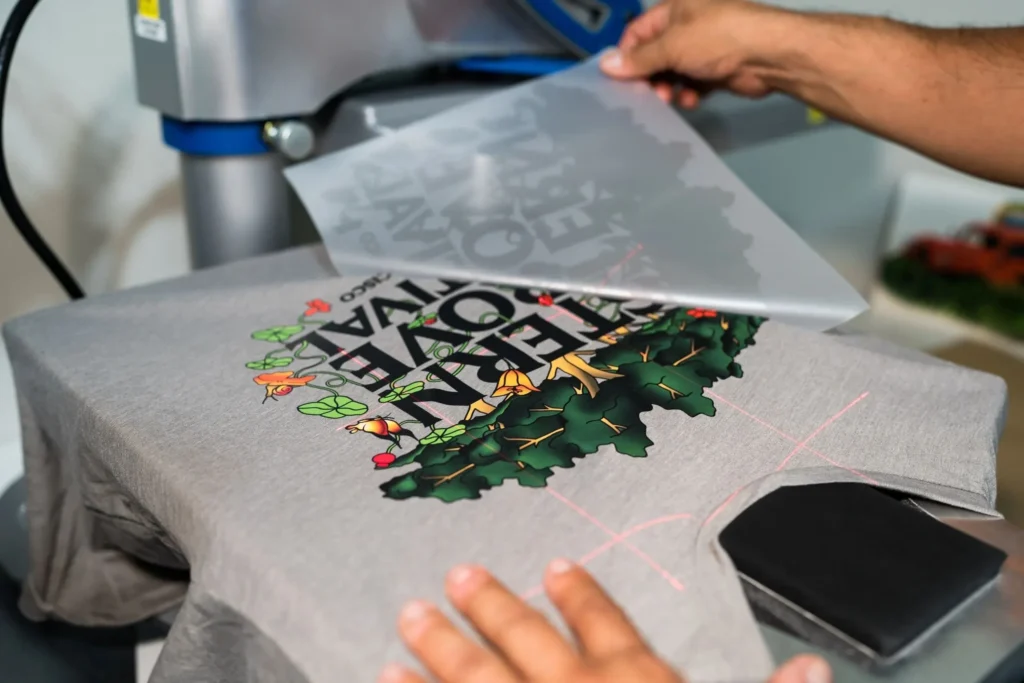
Custom shirts printing is more than just applying a design to fabric; it’s a strategic way to build your brand. Whether you’re launching a business, promoting an event, or outfitting a team, choosing the right method affects visibility and wear. From time-tested screen printing, DTG, and heat transfer options, the chosen approach shapes cost, quality, and turnaround. Understanding basic costs, like setup and per-unit pricing, alongside design tips, helps you plan a project that fits your budget. This introductory guide introduces core techniques and practical tips to produce sharp, durable shirts that represent your message well.
To frame the topic with a broader lens, think of garment customization as a form of brand storytelling and product decoration rather than just printing. In this view, you’re shaping apparel that communicates identity across clothing lines, events, and teams. For practical planning, consider insightful numbers and tips, such as budgeting for color choices and placement, as well as custom apparel printing tips. Looking at price considerations, you’ll want to compare screen printing costs, durability across fabrics, and turnaround expectations. By treating printing as a scalable service, you’ll align design ideas with production realities and market needs.
Understanding t-shirt printing methods: screen printing, DTG, heat transfer, and sublimation
When you start exploring how to decorate garments, you’ll encounter several popular t-shirt printing methods, each with its own strengths. Screen printing (silkscreen) excels for large runs with simple designs and solid color blocks, delivering vibrant color and durability. Direct-to-Garment (DTG) shines on complex images with many colors and subtle gradients, and it adapts well to small batches and on-demand printing. Heat transfer options, including vinyl and printable transfer sheets, offer quick turnaround and customization flexibility, especially for smaller orders. Sublimation provides full-coverage color on polyester and blends, with remarkably durable prints and all-over designs. Understanding these methods helps you match the technique to your design and budget goals.
Choosing the right method depends on design complexity, order size, fabric, and longevity expectations. For a simple two- or three-color logo in large quantities, screen printing often delivers the best per-unit cost and color consistency. If your artwork is photo-heavy or features many colors, DTG can reduce setup complexity and preserve fine detail. Heat transfer is a practical option for fast-turn projects or highly customized runs, while sublimation is ideal when you’re targeting polyester fabrics or all-over prints. Considering these options as a toolkit will help you plan smarter rather than relying on a single method for every project.
Custom shirts printing: selecting the right method for your project
Custom shirts printing requires a thoughtful decision framework that weighs design, budget, and timeline. For small batches or one-off designs with many colors, DTG or heat transfer might be more cost-effective than committing to multiple screens. For larger runs with bold, solid-color artwork, screen printing tends to offer the best balance of durability and price per unit. By aligning the design intent with the production method, you can optimize both the look and the turnaround time.
The choice also hinges on fabric and garment quality. Light-colored cottons are typically versatile across several methods, while dark fabrics may require an underbase for screen printing or pre-treatments for DTG. If you’re aiming for quick delivery with customization for each shirt, heat transfer or vinyl can be a practical option, though you’ll want to weigh long-term wear against the upfront convenience. In practice, many shops offer a mix of t-shirt printing methods to fit different parts of a single project, balancing cost, speed, and quality.
Costs that matter: screen printing costs, setup, per-unit, and garment prices
Budgeting a custom shirts printing project starts with understanding the major cost drivers. Setup costs for screen printing include creating screens and color separations, and these can vary with the number of colors and design complexity. DTG generally has lower upfront setup since there are no screens, but per-unit costs can be higher at scale. Heat transfer and vinyl can be economical for small runs, yet the labor involved in applying each piece makes the per-unit price rise with more colors.
Beyond printing, garment costs are a major factor. The base price of the shirt—whether 100% cotton, a blended fabric, or a premium textile—changes how well the print lands and how long it lasts. Finishes like glow-in-the-dark inks, metallics, or embroidery add further complexity and price. A practical budgeting tip is to plan for color count reductions, request multiple quotes, and consider a batch strategy that staggers releases to spread costs while meeting demand.
Design and preparation: turning ideas into print-ready artwork with the right materials
Effective design starts long before the printer begins work. Providing print-ready artwork in vector formats (AI, EPS, PDF) keeps edges sharp and colors clean for screen printing, while high-resolution raster files (at least 300 dpi) work for DTG. Color separations are critical when using screens, as each color typically requires its own screen. If your design is graphic-rich, coordinating with the printer on ink types and color management ensures the final result matches your vision.
Material choice and placement are equally important. Light-colored 100% cotton shirts are versatile across many methods, but placement decisions—whether on the chest, back, sleeves, or all over—affect both appearance and cost. Always plan a proof or sample before a full run to verify colors, alignment, and fabric interaction. Keeping these elements aligned early reduces reprints and helps you deliver a professional garment that wears well.
Choosing the right approach: quick-turns, on-demand, and all-over prints
For quick-turn projects or on-demand printing, heat transfer and vinyl offer fast setup and minimal minimums, making customization per shirt feasible. This approach is particularly useful when you need many unique designs or rapid iterations without the lead times typically associated with screen printing. It’s also well-suited for events, promotions, or limited-edition runs where speed matters as much as customization.
All-over prints and long-lasting color are often best achieved with sublimation, provided the garment and substrate compatibility align. Sublimation excels on polyester fabrics and blends, delivering vibrant hues across large areas without feeling like a heavy layer on the garment. When considering placement, think about sleeves, back, and collar areas to maximize impact while keeping the print durable and comfortable for everyday wear.
Care, longevity, and ROI: practical tips for durable custom shirts
The longevity of a printed shirt depends on the method and how you care for it. General guidance includes washing inside out, using cold water, and avoiding high-heat dryers to preserve colors and adhesion. For screen-printed designs, avoid harsh chemical cleaners and chlorine bleach, while DTG benefits from correct curing and care to maintain vibrancy over time. Heat transfer finishes may require gentler handling and careful ironing to prevent cracking or peeling.
Maximizing return on investment involves strategic planning beyond the initial print run. Build a small library of design templates, maintain consistent branding, and offer tiered pricing for bulk orders. By preparing print-ready files, standardizing color palettes, and forecasting demand, you reduce rework and improve margins. These custom apparel printing tips help you deliver quality while keeping costs predictable and scalable.
Frequently Asked Questions
What is custom shirts printing and what are the main t-shirt printing methods?
Custom shirts printing is the process of applying designs to garments using different techniques. The main t-shirt printing methods include screen printing, direct-to-garment (DTG), heat transfer, and sublimation. The right choice depends on design complexity, order size, and garment type, balancing color vibrancy, durability, and cost.
How do screen printing costs impact your custom shirts printing project?
Screen printing costs include setup fees for screens and color separations plus per-unit costs that drop with volume. Limiting colors reduces setup and per-unit costs, making screen printing cost-effective for large runs. For small runs, DTG or heat transfer may offer lower upfront costs, but consider long-term durability and total spend.
When should you use heat transfer printing for your custom apparel printing tips?
Heat transfer printing offers fast turnaround and no minimums, making it ideal for quick-turn custom apparel printing tips and small runs. It handles complex designs well, but may be less durable and can feel stiffer than other methods. Use it when you need customization flexibility and speed.
What are the pros and cons of DTG vs screen printing for small runs of custom shirts printing?
DTG offers full-color prints with a soft hand-feel and is great for small runs with complex artwork. Screen printing delivers bold, durable colors with lower per-unit costs at higher volumes, but has higher setup and less suitability for highly detailed images. For small runs with many colors, DTG is often a strong fit.
Which method is best for all-over designs on polyester within t-shirt printing methods?
Sublimation is typically the best option for all-over, vibrant designs on polyester, fitting within t-shirt printing methods. It yields broad color ranges and durability but requires polyester or polymer-coated garments and light colors. For cotton, another method may be better.
What practical custom apparel printing tips help balance cost and quality in your custom shirts printing project?
Follow practical custom apparel printing tips such as planning a core color palette of 2–3 colors, ensuring print-ready vector artwork, and selecting placements consistently. Compare quotes from multiple printers, use design templates to maintain branding, and plan batch runs to optimize costs while preserving quality.
| Aspect | Key Points |
|---|---|
| Purpose | Custom shirts printing helps build a brand, promote events, or create cohesive team apparel; applies to small businesses, nonprofits, and hobbyists. It covers methods, costs, and practical tips to save time and money while delivering quality. |
| Main Methods | Screen Printing (Silkscreen) — ideal for large runs, solid colors, vibrant prints; high setup costs and slower for small runs; best for simple designs with few colors. DTG (Direct-to-Garment) — great for complex, multi-color designs and soft hand-feel; low upfront setup but higher unit cost for large orders; ideal for small runs. Heat Transfer (Vinyl/Transfers) — quick-turn, small runs, versatile; fast setup, no minimums; can be less durable and may feel stiff on some fabrics. Sublimation — vibrant all-over prints on polyester; durable; limited to light-colored garments and compatible substrates. |
| Cost Drivers | Setup and design costs; per-unit printing costs; garment cost; specialty finishes; total costs influenced by volume, color count, and print placement. |
| Design, Materials & Prep | Prepare print-ready artwork (vector preferred); plan color separations; limit color count to save costs; choose appropriate garment; plan placement; request proofs before full runs. |
| Choosing Method | Small runs or highly detailed artwork: DTG; Large runs with solid colors: Screen Printing; Quick-turn or highly customized: Heat Transfer; All-over on polyester: Sublimation. |
| Care & Longevity | Follow garment care labels; wash inside out in cold water; avoid high heat; cure DTG properly; protect prints with appropriate ironing/heat rules for transfers. |
| ROI & Tips | Develop a scalable color plan; maintain consistent branding; offer bulk discounts; build design templates; invest in high-quality vector files to reduce rework. |
Summary
Custom shirts printing is a multifaceted process where design choices meet production realities. This overview summarizes the main methods—screen printing, DTG, heat transfer, and sublimation—along with cost drivers, design preparation, and care practices to help you choose the right approach, achieve high-quality results, and maximize value for your brand, event, or team.