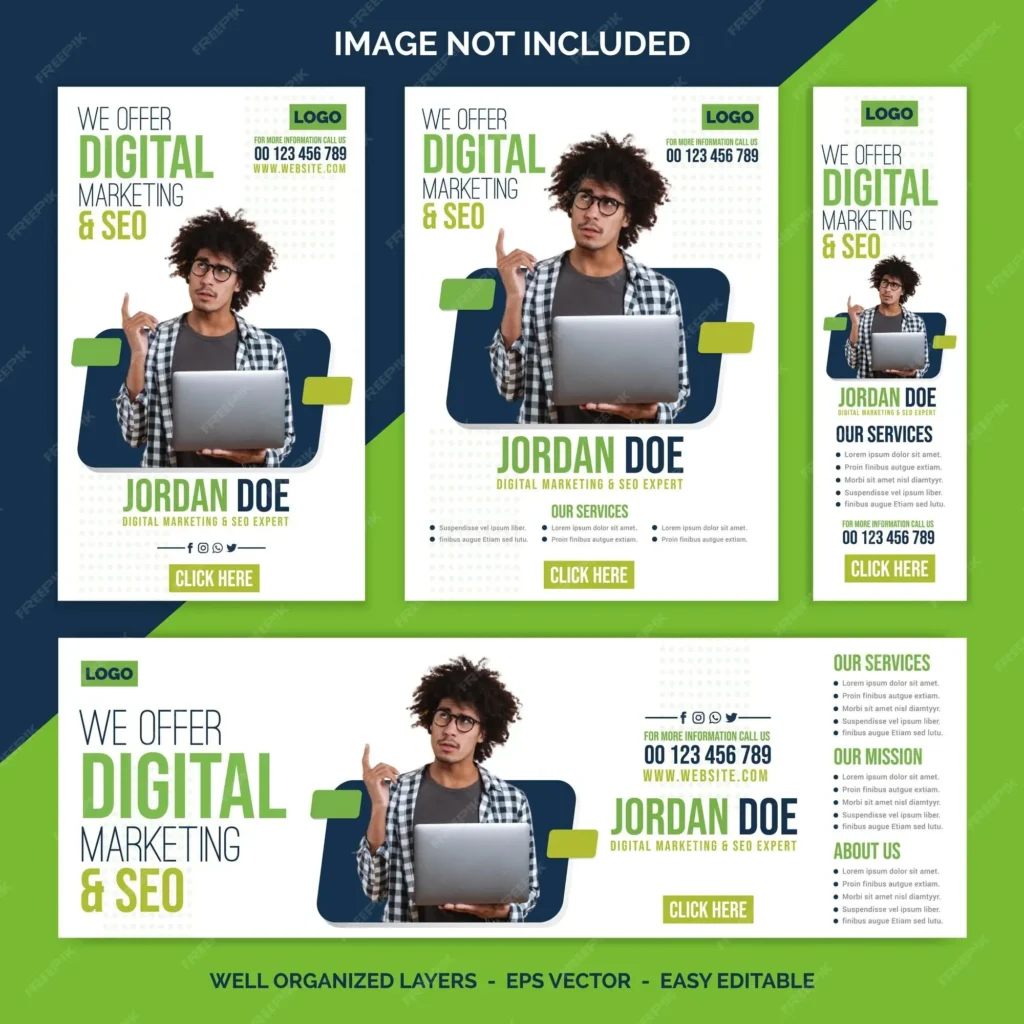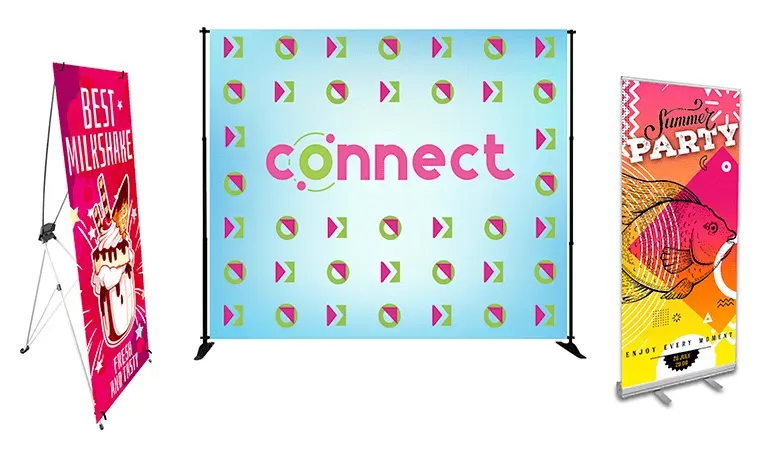
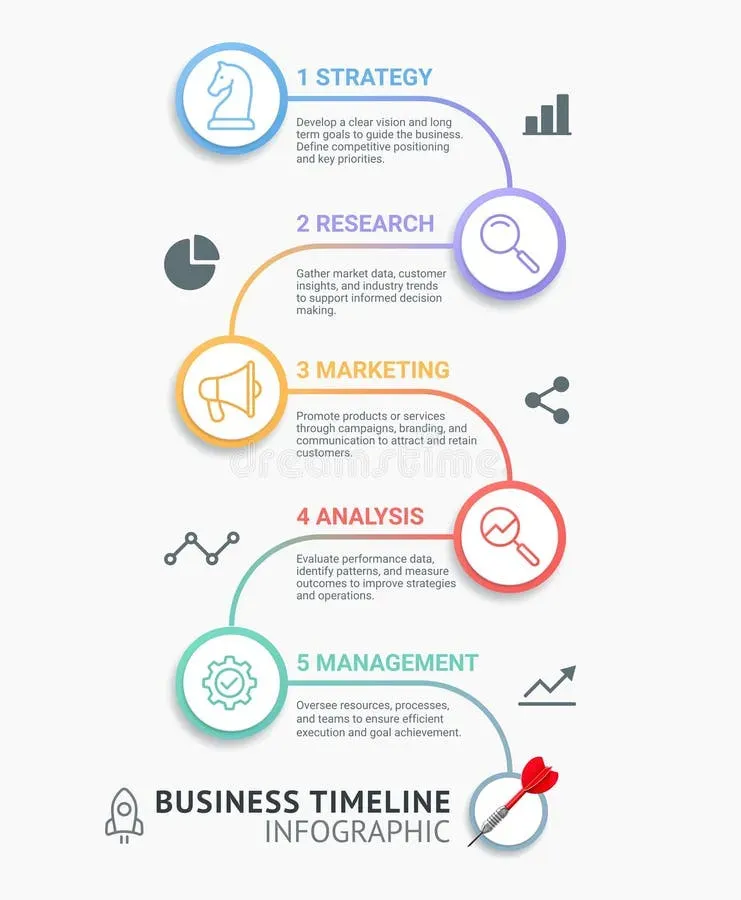
The custom banner design workflow is a practical, repeatable system that ensures banners look great, print accurately, and stay on-brand across placements. By aligning the banner design process with clear objectives and a production-ready framework, teams reduce back-and-forth while preserving quality. From discovery to handoff, the concept to print banner workflow guides asset review, color management, and file preparation for print. When you pair this approach with the right tools and guidelines, you can iterate efficiently and deliver consistent results across campaigns. The outcome is a scalable framework that supports branding clarity, legibility, and faster delivery from concept through final print.
Beyond the formal title, this topic can be described as a banner creation workflow or a design-to-print pipeline that moves ideas from sketches to mounted displays. In practical terms, teams map objectives, assets, and proofs into a cohesive sequence that ensures readability and brand consistency across venues. Using this framing, production teams can talk about asset management, color fidelity, and file handoffs in language that resonates with printers, marketers, and installers. By applying an end-to-end approach to signage and marketing displays, organizations can scale their visual campaigns while reducing revision cycles.
1. Understanding the Custom Banner Design Workflow: From Brief to Brand Impact
A strong banner starts with a clear discovery and briefing phase. By defining the audience, purpose, placement constraints, and brand guidelines, we set measurable objectives and build an asset kit that streamlines production. This early work informs every decision down the line, aligning design choices with the realities of print and display. In this way, the banner design process becomes a practical roadmap from concept to print banner workflow, ensuring that every asset supports readability, impact, and brand consistency.
The custom banner design workflow emerges as a repeatable system that reduces back-and-forth and misinterpretation. By documenting deliverables, color requirements, and file standards at the outset, teams gain clarity and speed. This foundation also enables smoother collaboration between designers, marketers, and print partners, delivering consistent results across placements and formats.
2. Concept to Mood: How Mood Boards and Sketches Shape Effective Banners
With the brief in hand, concept development uses mood boards, quick sketches, and style explorations to test ideas without committing to a final layout. Presenting two or three directions early helps stakeholders feel engaged and informed, while allowing you to validate hierarchy, typography, and color decisions before moving into production. Throughout this stage, the concept to print banner workflow is guided by readability and brand voice, ensuring ideas translate well to print.
Designers often rely on banner design software to create fast, editable comps that visualize scale, contrast, and composition. This practical tooling accelerates feedback cycles and keeps projects on track. By iterating digitally, you can compare how each concept performs in different viewing conditions and align final choices with the goal of print-ready banners that perform in real environments.
3. Layout Mastery: Typography, Color, and Readability at Scale
The layout phase establishes structure through a modular grid, typography hierarchy, and color systems that balance personality with legibility. For banners intended to be read from a distance, uppercase headlines, appropriate weight, tracking, and optimal line length are crucial. Color choices should adhere to brand guidelines while maintaining strong contrast to ensure readability in varied lighting and at large formats, an essential consideration in print-ready banner production.
Files and assets are organized into clearly labeled layers and folders to create production-ready files your printer can trust. Keeping text editable where needed, or outlining type when appropriate, helps balance flexibility with stability during the handoff. This disciplined approach embodies the banner design workflow, ensuring a consistent message and visual identity from concept through to print.
4. Asset Management and Brand Alignment for Consistent Campaigns
Effective asset management starts with gathering logos, product imagery, licensing, and copy in suitable formats. A shared style guide—covering colors, typography, and iconography—ensures multi-channel consistency even as banners appear in different campaigns. Proper asset organization reduces last-minute scrambling and supports the broader concept to print banner workflow by keeping every element aligned with brand standards.
Brand alignment plays a non-negotiable role in producing reliable, scalable banners. Clear guidelines help maintain tone and visual fidelity across placements, while a printer-friendly asset handoff includes color profiles, bleed settings, and export formats. By documenting these details, teams can deliver print-ready banners with confidence and minimize misinterpretation during production.
5. From Proof to Print: Prototyping, Print Preparation, and Quality Control
Prototyping and proofs are critical for validating color accuracy, readability, and overall impact before a full print run. Digital proofs, soft proofs, or on-press proofs help reveal issues early, and a controlled revision cycle reduces costly reprints. This stage emphasizes clear communication and version control, tightening the loop between design intent and final output within the concept to print banner workflow.
Print preparation brings technical precision to life. Final files should include trim lines, bleed, safe zones, and specified color profiles (CMYK or Pantone), along with the appropriate export formats for the printer. A thorough print handoff also lists asset manifests and any finishing steps, ensuring print-ready banners arrive exactly as envisioned—validated through rigorous quality control and delivered ready for deployment.
Frequently Asked Questions
What is the custom banner design workflow and how does it ensure strong, print-ready banners?
The custom banner design workflow is a repeatable system that guides a project from brief to final print. It includes discovery, concept, layout, asset management, prototyping, print preparation, and delivery, ensuring stakeholders stay aligned and that outputs are print-ready banners. Using banner design software at key stages helps maintain version control and color accuracy.
How does the banner design process optimize readability and impact across different banner sizes in the concept to print banner workflow?
In the banner design process, layout, typography, and color are chosen for legibility at distance and across sizes. The concept to print banner workflow emphasizes a modular grid, strong hierarchy, and thorough proofing to confirm readability before printing.
What should a discovery brief include to support custom banner design tips for a successful project?
A solid discovery brief defines audience, purpose, placement, size constraints, brand guidelines, and required deliverables such as bleed, trim lines, and color mode. Including asset kits and clear success criteria helps apply custom banner design tips and keeps everyone aligned from concept to print.
What role does banner design software play in moving from concept to print within the custom banner design workflow?
Banner design software enables quick digital comps, layer management, and typography testing, helping you validate concepts before printing. It supports exporting print-ready files (PDF/X, TIFF, EPS) and color management to keep the concept to print banner workflow efficient.
How can teams ensure a smooth handoff to print partners in the custom banner design workflow?
Create a clear print handoff: final layout with bleed and trim, correct color profiles (CMYK or Pantone), fonts or outlines, and a compact asset manifest. Include proofs and revision notes to minimize reprints, keeping print-ready banners and the banner design process on track.
| Aspect | Key Focus | Deliverables / Notes |
|---|---|---|
| Discovery and Briefing | Define audience, purpose, placement, constraints; collect brand guidelines, assets; determine print deliverables such as bleed, trim lines, and CMYK color mode. | Foundation for workflow; aligns stakeholders; sets measurable objectives. |
| Concept and Mood | Translate the brief into visual direction; create mood boards, quick sketches, and 2-3 concept directions; emphasize legibility, hierarchy, and color system; consider using banner design software for comps. | Early direction saves time; ensures brand consistency; enables efficient client reviews. |
| Layout, Typography, and Color | Structure with a modular grid; ensure readability at distance; manage typography, color harmony, and color separation for print; plan proofs. | Produces production-ready files and supports print accuracy. |
| Imagery, Branding, and Asset Management | Choose imagery that reinforces the message; ensure licensing and sufficient resolution; align logos with brand guidelines; organize assets for printer including bleed, color profiles, and export formats. | Maintains brand consistency; easy printer access to assets and instructions. |
| Prototyping, Proofing, and Revisions | Create digital proofs or soft proofs; collect stakeholder feedback; run revision cycles; document changes and maintain version control. | Reduces reprints and errors; supports a clear sign-off process. |
| Print Preparation and Handoff to Production | Deliver print-ready files with final layout, bleed, trim, safe margins; specify color profiles and export formats; confirm printer capabilities and finishing requirements. | Provide asset manifest and printer instructions for a smooth handoff. |
| Quality Control, Proofing Revisions, and Delivery | Check color fidelity, alignment, bleed integrity, and image/text quality; loop back to relevant stages if issues arise; deliver final files and branding guidelines; plan post-project review. | Ensures client satisfaction and enables asset reuse for future banners. |
Summary
The custom banner design workflow transforms an idea into a tangible, impactful banner, and serves as a repeatable system that ensures on-brand results from concept to print. By starting with a clear brief and moving through concept development, layout decisions, asset management, prototyping, print preparation, and delivery, teams can deliver consistent, professional banners across signage, events, retail displays, and digital marketing. The process strengthens readability, brand alignment, and collaboration among designers, marketers, and production partners, reducing back-and-forth and costly reprints. With print-ready banners and a well-documented handoff, you can scale up campaigns while maintaining color accuracy and brand integrity. Leveraging banner design software and following best practices in design tips can further optimize outcomes across campaigns and improve search visibility for topics like concept to print banner workflow and custom banner design tips.