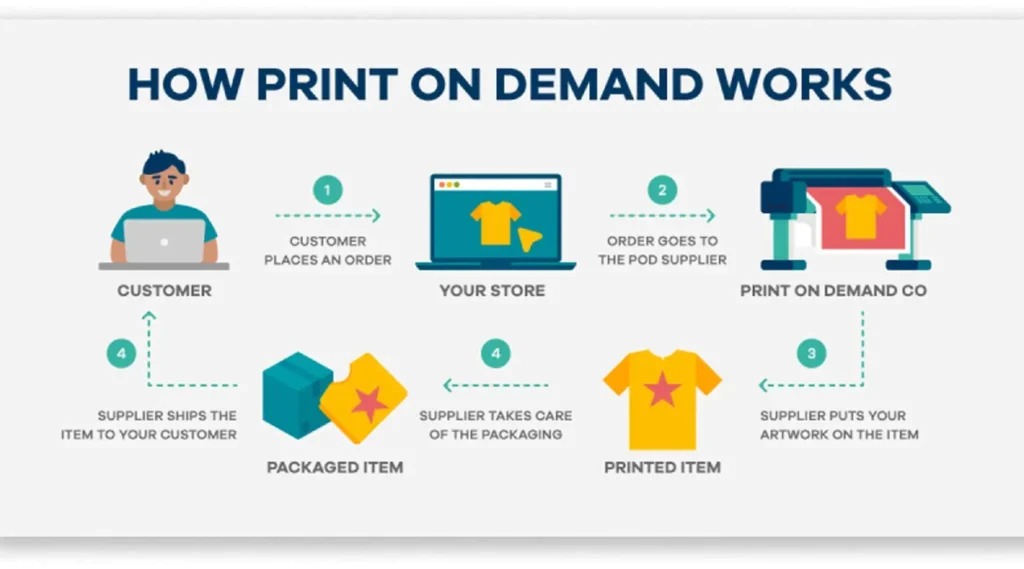
Sustainable Print on Demand is a practical, growth-oriented approach to running a modern print-on-demand business that minimizes environmental impact while delivering value to customers. In a world where consumers increasingly favor brands with transparent sustainability commitments, POD operators can differentiate themselves by combining responsible printing practices with efficient packaging. This article outlines practical, actionable strategies for achieving true sustainability in print on demand—without sacrificing quality, speed, or profitability. You’ll see how eco-friendly printing, sustainable packaging ideas, and smarter operations come together to create a more responsible, resilient business model. Sustainable Print on Demand employs green print on demand, biodegradable packaging options, and carbon-neutral printing strategies to strengthen trust and long-term growth.
Beyond the exact term, this approach can be described as eco-conscious printing and responsible on-demand production that minimize waste and energy use. It emphasizes low-impact materials, ethical sourcing, and transparent communication about environmental commitments. In practice, brands can pursue green print on demand strategies, optimize packaging, and partner with suppliers who share sustainability goals. This mindset reduces the carbon footprint, aligns operations with circular economy principles, and builds credibility with environmentally aware customers. Adopting a holistic, eco-first workflow sets the stage for durable growth in the print-on-demand space.
Sustainable Print on Demand: A Holistic Path to Eco-Conscious Merchandising
Sustainable Print on Demand (POD) represents a holistic, growth-oriented model for running a modern POD business that minimizes environmental impact while preserving value for customers.
It integrates responsible printing choices with streamlined operations to reduce waste and energy use from the first ink drop to the final shipment, creating a framework that aligns profit with planet.
Eco-Friendly Printing Techniques to Cut Waste and Boost Quality
Eco-friendly printing techniques reduce volatile organic compounds (VOCs) by using water-based or soy-based inks, while maintaining print durability and safety for customers. This is a core element of eco-friendly printing and a practical step toward green print on demand.
In addition to inks, optimizing how you print—through waste reduction, closed-loop solvent management where applicable, and routine maintenance—lowers emissions, saves materials, and enhances overall production quality.
Minimizing Packaging Footprint: Sustainable Packaging Ideas that Sell
Packaging often carries the heaviest environmental burden in POD. Sustainable packaging ideas focus on reducing material use, increasing recyclability, and clearly communicating disposal expectations to customers.
Adopt recycled-content materials, consider biodegradable packaging options where appropriate, and design minimalist, protective packaging that protects the product while minimizing waste.
Green Print on Demand: Reducing Energy Use and Emissions Across the Workflow
Green print on demand means cutting energy intensity across the production line by selecting energy-efficient printers, smart scheduling, and regular equipment maintenance that keeps machines operating at peak efficiency.
This approach also includes optimizing fulfillment routes and consolidating shipments to reduce transport-related emissions, contributing to a broader carbon-conscious POD strategy.
Biodegradable Packaging in POD: Balancing Durability and End-of-Life Clarity
Biodegradable packaging can play a meaningful role for items with short lifecycles or impulse buys, but it must meet durability and shipping protection requirements. Evaluate materials for performance in real-world conditions.
A thoughtful mix of recycled content with biodegradable layers can balance strength and sustainability, while clear disposal guidance helps customers make the right end-of-life choices.
Achieving Carbon-Neutral Printing: Offsets, Local Sourcing, and Transparent Reporting
Carbon-neutral printing involves calculating total greenhouse gas emissions across production, packaging, shipping, and returns, then offsetting those emissions through credible projects.
Beyond offsets, reduce your footprint by sourcing local materials, choosing efficient printers, and consolidating shipments. Transparent reporting builds trust with customers and demonstrates real progress.
Frequently Asked Questions
What is Sustainable Print on Demand and why is eco-friendly printing a core part of it?
Sustainable Print on Demand is a holistic approach to running a POD business that minimizes environmental impact across materials, inks, energy, and packaging. Eco-friendly printing—using low-impact inks such as water-based or soy-based inks, energy-efficient equipment, and waste-reduction practices—serves as a core practice that supports lower emissions, stronger brand trust, and long-term profitability.
How can I implement eco-friendly printing techniques in a Sustainable Print on Demand workflow?
Adopt low-impact inks, optimize energy use with efficient printers and scheduling, and establish waste recycling and reuse programs. Consider closed-loop water management when feasible and train operators to minimize waste, aligning with Sustainable Print on Demand goals.
What sustainable packaging ideas should I consider for a green print on demand business?
Prioritize recycled-content materials, biodegradable or compostable options, minimalist packaging designs to reduce material use, and reusable packaging where possible. Transparent labeling about recyclability and certifications (e.g., FSC) build trust with customers.
What is carbon-neutral printing and how can a POD operator move toward it?
Carbon-neutral printing means calculating total GHG emissions across production, packaging, shipping, and returns, then offsetting them with credible projects. To move toward it, source local materials, choose efficient printers, optimize fulfillment routes, consolidate shipments, and report progress transparently to customers.
How should I evaluate materials and suppliers for a Sustainable Print on Demand strategy?
Choose suppliers who practice responsible sourcing and provide environmental data such as EPDs. Look for FSC-certified paper, recycled or certified textiles, and a supplier scorecard that weighs environmental criteria alongside price and lead time.
Which metrics matter when measuring progress in Sustainable Print on Demand?
Track material waste per order, energy use per unit, ink usage efficiency, packaging waste reduced, and a customer-facing sustainability score. Regularly review these metrics to guide improvements and communicate impact to customers.
| Section | Key Points |
|---|---|
| What Sustainable Print on Demand Really Means |
|
| Eco-Friendly Printing Techniques that Move the Needle |
|
| From Waste Reduction to Waste Elimination: Packaging that Persuades |
|
| Biodegradable Packaging and Other Smart Materials |
|
| Carbon-Neutral Printing and the Path to Net-Zero |
|
| Materials, Suppliers, and the Code of Responsible Sourcing |
|
| Measuring Progress: Metrics That Matter |
|
| Implementing a Sustainable POD Strategy: A Practical Roadmap |
|
| Cost, Quality, and Customer Expectations |
|
| Real-World Examples and Inspiration |
|
Summary
Sustainable Print on Demand is a practical framework for building a more responsible and resilient business. By embracing eco-friendly printing practices, adopting sustainable packaging ideas, and pursuing carbon-neutral strategies, POD operators can reduce environmental impact while maintaining, and even increasing, profitability. The journey requires commitment and ongoing measurement, but the payoff is a stronger brand, happier customers, and a healthier planet. Start with a clear baseline, implement a few high‑impact changes, and scale up as you demonstrate real results. Your customers will notice—and so will your bottom line.