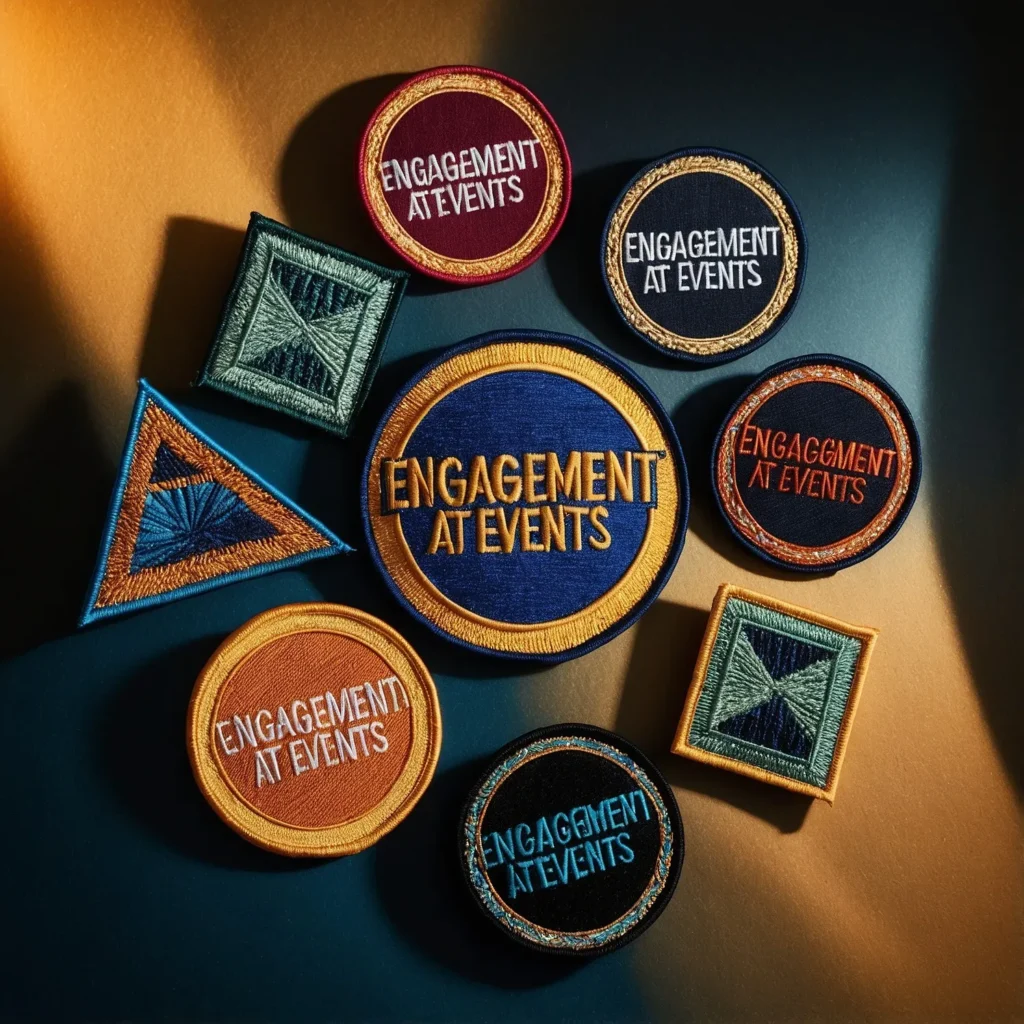
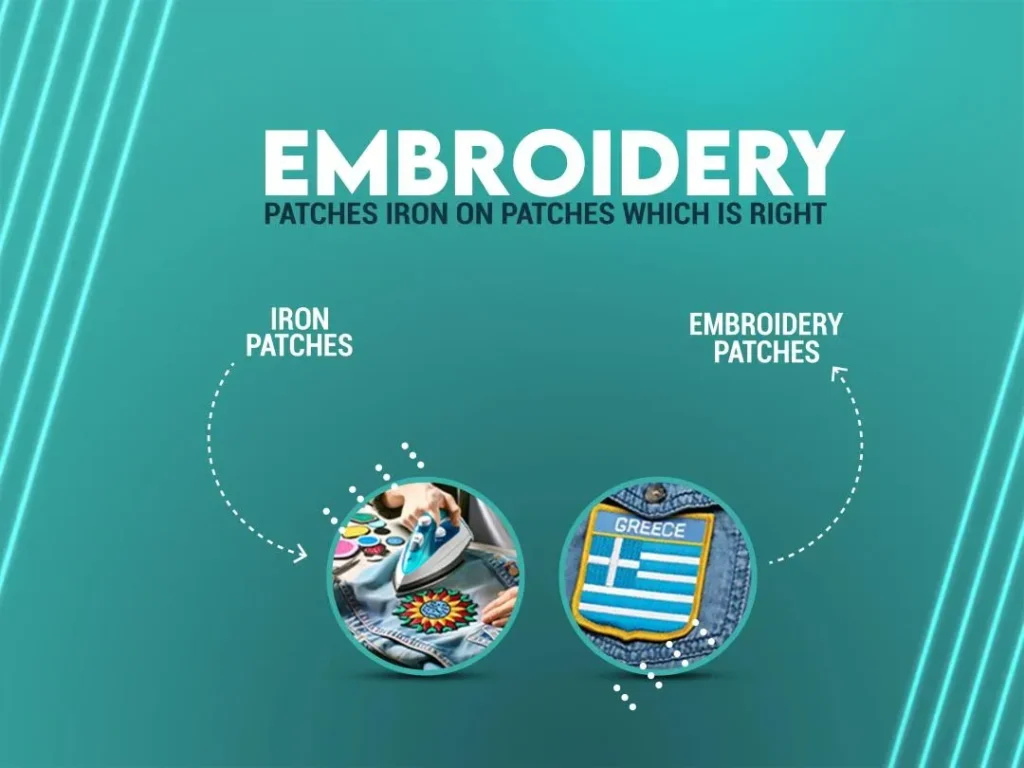
Embroidery vs Iron-On Patches illuminate two distinct paths to personalizing garments with style and longevity. For durable, long-lasting results, embroidery patches often win on workwear and heavily laundered fabrics. For fast, budget-friendly customization, iron-on patches offer quick setup and seasonal flexibility. To choose wisely, weigh fabric type, care expectations, and whether you need permanent attachment or removable flair, and consider options like custom patches. Understanding patch durability and patch application methods will help you balance aesthetics with reliability.
Beyond the basics, you can think of stitched badges and heat-activated patches when planning a project. Sew-on and adhesive-backed options each carry trade-offs in durability, washability, and ease of use for different fabrics. For brands seeking scalable, repeatable branding, professional embroidery offers a premium, lasting impression, while quick-turn deployments often rely on adhesive-backed designs. Understanding how backing choices influence patch longevity, application methods, and overall look helps ensure your final result endures.
Embroidery vs Iron-On Patches: A Practical Durability Comparison
Durability is a core consideration when choosing patches, and the method you pick—embroidery patches or iron-on patches—directly influences how well a design holds up under regular wear. Embroidery patches rely on stitched threads and a reinforced merrowed edge, which together provide long-lasting resilience during washing and abrasion. This combination makes embroidery patches a strong choice for items like workwear, team jackets, or branded uniforms where longevity and a premium feel matter. When you’re shopping for custom patches, durability isn’t just about aesthetics—it’s about how the patch behaves through countless laundry cycles and active use.
Iron-on patches offer convenience and speed, but their durability hinges on the heat-activated adhesive backing and the fabric’s heat tolerance. Even with high-quality adhesives, repeated exposure to washing and heat can lead to edge lifting or surface cracking on less heat-resistant materials. That said, modern iron-on patches use stronger adhesives and engineered polymers designed to work across common fabrics such as cotton, denim, and canvas. With proper care and, in high-use situations, a backup sew-on method, iron-on patches can still provide reliable performance while keeping turnaround times quick.
Fabric and Use-Case Considerations for Custom Patches
Fabric type plays a decisive role in patch performance. Dense fabrics like canvas or denim typically tolerate embroidery patches very well, preserving stitch integrity and edge security over many wear-and-wash cycles. Lighter fabrics or textiles with low heat resistance may benefit from iron-on backing, especially for temporary branding or trial runs where ease of application matters more than multi-season durability. When you select custom patches, consider how the material interacts with patch backing, stitching density, and the garment’s care instructions.
Usage scenarios also guide the decision. For team uniforms or heavy-use gear, embroidery patches often justify the higher upfront cost because they maintain a crisp appearance after repeated laundering. For school events, pop-up promotions, or gift items where speed and cost are priorities, iron-on patches can deliver fast branding with a clean finish. In either case, aligning patch application methods with the garment’s lifecycle—whether sewn-on for ultimate durability or heat-pressed for quick deployment—helps ensure a satisfying result.
Design and Aesthetics: Embroidery Patches vs Iron-On Patches
Embroidery patches excel in texture, depth, and color nuance. The stitched threads create a tactile, premium finish with shading and fine line work that’s difficult to replicate with non-stitched methods. A merrowed edge, stitch density, and thread choice all contribute to a high-end look that communicates durability and brand value. For designers seeking premium branding and a visually rich presence in photos and in person, embroidery patches align with luxury aesthetics and lasting impression.
Iron-on patches offer a flat, bold aesthetic that’s ideal for rapid branding and cost-conscious projects. They support vibrant color blocks and bold shapes with less texture, which can be advantageous for quick prototypes, event swag, or casual wear. While extremely fine details may not read as crisply as embroidery, iron-on patches enable rapid experimentation with shapes, sizes, and backings, making them a practical choice for limited editions or pilot runs. For a premium, long-lasting appearance on durable fabrics, embroidery remains the go-to; for fast turnaround and flexibility, iron-on patches deliver strong visual impact.
Application Methods: How to Attach Patches for Longevity
Application method is a key differentiator between embroidery patches and iron-on patches. Embroidery patches are typically sewn on or secured with a combination of heat and sewing, with careful edge stitching to prevent fraying. A secure perimeter stitch, proper alignment, and, where needed, reinforcement at corners or curves contribute to a durable bond that holds up through wash cycles. When you’re aiming for long-lasting results, professional sewing or hand-stitching can provide a more robust attachment than heat alone.
Iron-on patches are applied with heat and pressure, usually via a household or professional iron. Ensure the fabric is clean and dry, select the correct heat setting for the patch backing, and use a pressing cloth to protect both patch and garment. After application, allow the patch to cool and avoid pulling it. For higher durability, especially in active environments or items that will be laundered frequently, consider adding a backup sew-on stitch around the edge or using a clear fabric adhesive to reinforce the bond and extend patch life.
Cost, Availability, and Lead Times for Custom Patches
Cost considerations often drive early decisions about patch type. Embroidery patches typically incur a higher upfront cost due to stitching, backing, and edge finishing, but their durability and premium appearance can justify the expense for teams, brands, or long-term wardrobe pieces. For budget-conscious projects or limited budgets, iron-on patches offer a cost-effective alternative with strong visual impact and simpler logistics, particularly for small batches or event-driven needs.
Availability and lead times also influence the choice. Embroidery patches usually require more setup and can involve longer production times, especially for intricate artwork. Iron-on patches often ship faster and are adaptable to small runs or rapid prototyping. If you’re planning a pilot program, seasonal line, or limited edition, iron-on patches can accelerate deployment, while embroidery can be reserved for items that require enduring branding and a premium feel.
Maintenance and Care to Maximize Patch Durability
To maximize the longevity of embroidery patches, follow care practices that protect stitching and thread colors. Turn garments inside out before washing, use gentle cycles with cold water, and air-dry when possible. Avoid harsh detergents or chlorine bleach, which can degrade thread pigments. These care steps help preserve patch durability and keep the merrowed edge looking sharp across many wears.
For iron-on patches, heat management is especially important. Use a lower heat setting if you’re unsure of fabric tolerance, test on a fabric scrap, and always use a press cloth. After application, let the patch cool fully and consider a backup sew-on for high-traffic items. When laundering, inside-out washing and avoiding high-heat dryer cycles can extend adhesion life and help maintain the patch’s appearance and function over time.
Frequently Asked Questions
What is the difference between Embroidery vs Iron-On Patches for custom patches?
Embroidery patches are stitched designs with merrowed borders and a backing, while iron-on patches use a heat-activated adhesive on the back. Embroidery patches typically offer greater patch durability and a premium look, whereas iron-on patches provide quick, budget-friendly customization with easier initial application.
Which option offers greater patch durability for frequent washing: Embroidery patches or iron-on patches?
Generally, embroidery patches are more durable due to their stitching that withstands wash cycles and abrasion. Iron-on patches can loosen with heat and laundering unless reinforced with sewing or high-quality adhesives.
Are iron-on patches as durable as embroidery patches for workwear and uniforms?
For heavy-use workwear and uniforms, embroidery patches usually outperform iron-on patches in longevity. Iron-on patches can work for temporary branding, but long-term durability often favors embroidery patches, especially on sturdy fabrics.
What are the best patch application methods for Embroidery patches vs iron-on patches?
Embroidery patches are best secured by sewing around the edge (or combining heat and sewing) for a lasting bond. Iron-on patches require heat and pressure following the backing instructions; for added security, finish with a light sew-on around the edge.
What factors should influence choosing Embroidery vs Iron-On Patches for a brand’s uniforms?
Consider fabric type, laundering frequency, budget, and lead times. Embroidery patches suit durable fabrics and long-term branding; iron-on patches are ideal for quick-turn projects, lighter fabrics, and lower upfront costs.
How should I care for patches to maximize durability when using embroidery patches and iron-on patches?
Care for embroidery patches by washing garments cold and inside-out; avoid harsh detergents and high heat when possible. Iron-on patches can lose adhesion with excessive heat, so follow heat guidelines and consider adding a backup sew-on for high-use areas.
| Aspect | Embroidery Patches | Iron-On Patches |
|---|---|---|
| Durability & Longevity | Embroidery patches are generally more durable due to stitched threads and a reinforced border; well-suited for high-use wear. | Iron-on patches rely on heat-activated adhesive; durability depends on care and fabric; may require secondary sew-on for heavy wear. |
| Washability & Care | Embroidery patches tolerate washing when applied correctly; turning garments inside out and following textile care helps preserve color and stitching. | Iron-on patches can be sensitive to heat and washing; use proper heat settings and consider a backup sew-on for longevity in frequent laundering. |
| Design & Aesthetics | Embroidery offers texture, depth, and fine detail; premium look with merrowed edge and dense stitching. | Iron-on patches provide a flat, cost-effective finish; ideal for quick branding; may be less sharp on very fine details but supports bold colors. |
| Application & Installation | Embroidery patches are sewn on or applied with heat plus sewing; typically requires stitching for long-term security. | Iron-on patches use heat and pressure; ensure fabric is clean/dry and select appropriate heat; cooling and optional additional sewing improves durability. |
| Cost & Availability | Higher upfront cost due to stitching, backing, and edge finishing; longer lead times but strong durability and premium look. | Lower cost, faster production and shipping; well-suited for quick-turn projects, limited editions, or budget-conscious needs. |
| Best Use Scenarios | High-use garments, workwear, sports uniforms, or branded items where longevity and premium aesthetics matter. | Quick customization, temporary branding, school clubs, events, or budget-conscious projects needing fast turnaround. |
Summary
Embroidery vs Iron-On Patches presents a practical choice between durability, aesthetics, and practicality across fabrics and use cases. Embroidery patches offer long-term durability and a premium look on sturdy fabrics, making them ideal for team uniforms, branding, and gear worn often. Iron-on patches provide convenient, budget-friendly customization with faster turnaround, especially on lighter fabrics or temporary projects; for lasting results, consider pairing with a sew-on finish in high-traffic areas. In choosing between the two, evaluate fabric type, care expectations, and the garment’s lifecycle, and consider prototyping with both methods to gauge attachment performance and appearance over time. Ultimately, high-use scenarios favor embroidery for durability and branding impact, while quick, cost-conscious projects benefit from iron-on patches, with both options capable of delivering a polished, effective result.