A Magnetic trade show wall instantly commands attention in crowded exhibition halls, turning a potentially dull corner into a focal point that communicates your value, preserves branding flexibility, and scales from compact to expansive configurations as you grow. When paired with custom roll up displays, it creates a modular, reusable backdrop that can be reconfigured to match varying booth sizes, floor plans, and audience movement, ensuring your core messages remain visible without a full rebuild between shows. This approach blends the reliability of a solid backwall with the agility of lightweight, transferable components, delivering a toolkit that supports fast changes to messaging, product focus, and storytelling while reducing transport and setup time. In this guide, we lay out design considerations for arranging a unified booth presence, including trade show wall design principles, layout principles, typography choices, and graphic integration to create a cohesive narrative that invites attendees to explore demonstrations and conversations. From materials and mounting methods to lighting, print fidelity, and maintenance routines, a well-planned magnetic wall serves as the backbone of a memorable exhibitor experience.
Seen through an alternative framing, this flexible backing structure functions as a reconfigurable backdrop that accepts interchangeable graphics and signage, enabling quick rebranding for different events without rebuilding the entire display. Think of it as a modular display solution built from magnetic panels and lightweight stands, where each element can be swapped to spotlight new products, customer stories, or technical specs. The concept supports efficient logistics, lighter travel, and minimal downtime, allowing teams to scale the wall with compatible accessories while preserving a cohesive brand narrative. When configuring the set, prioritize a clear information hierarchy, legible typography, and consistent color treatment so that visitors recognize the core message at a glance. Ultimately, this approach translates to faster setup, lower costs over multiple shows, and a booth experience that feels polished, purposeful, and welcoming to attendees.
Magnetic trade show wall: A flexible backbone for modern booths
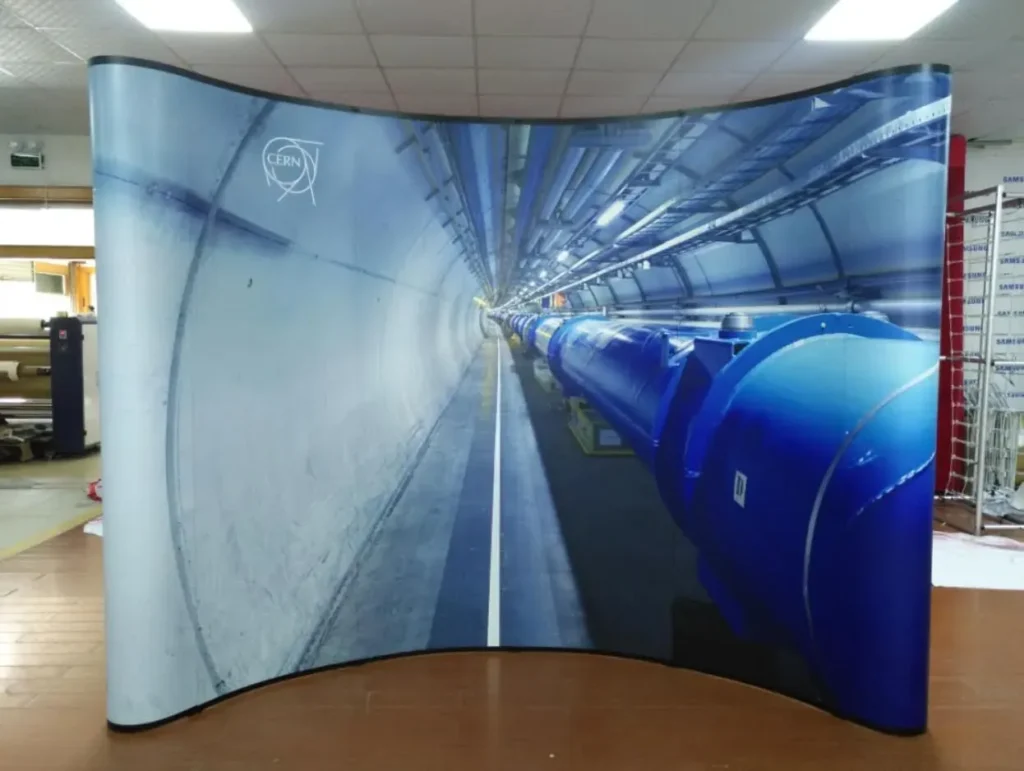
The Magnetic trade show wall functions as a versatile backbone for contemporary booths, combining ease of assembly with durable, reusable components. By leveraging backwall display systems that use magnetic connections, you can snap in graphic panels, banners, and display modules to craft a clean, seamless backdrop. This backbone is designed to be reconfigured for varying booth sizes or different floor plans, ensuring your branding stays cohesive across events.
Pairing the magnetic wall with portable trade show displays creates focal points that guide attendees through your messaging journey. The modular display walls offer a flexible architecture where a bold hero graphic can be complemented by smaller roll ups and product panels. This approach keeps your booth polished yet adaptable, helping you scale quickly from a small footprint to larger configurations as show floor layouts demand.
Integrating custom roll up displays with a Magnetic backwall for impact
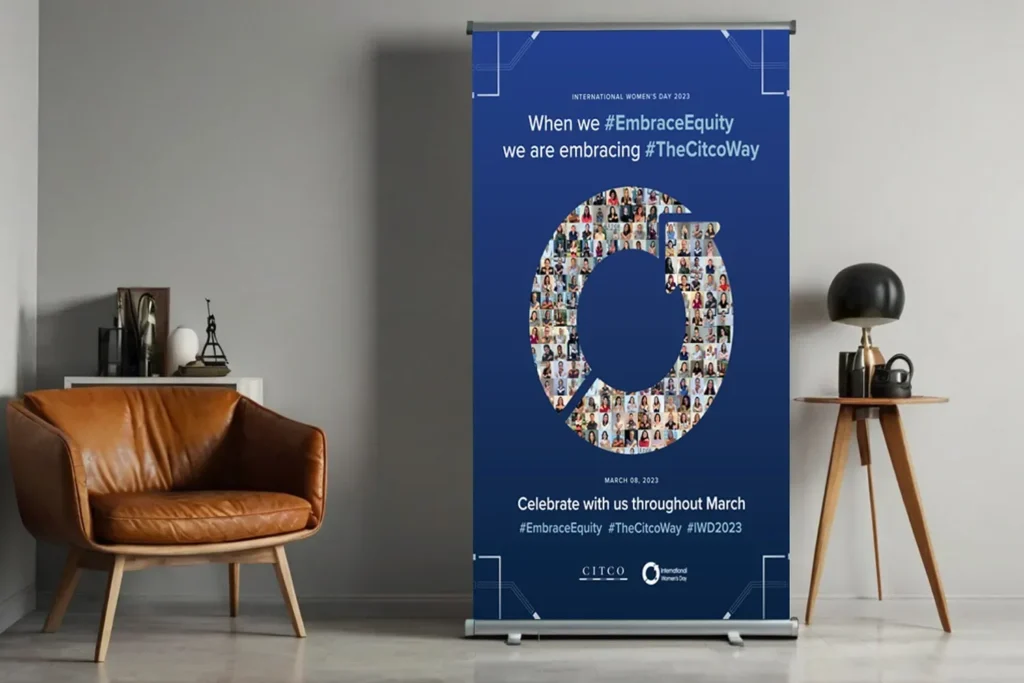
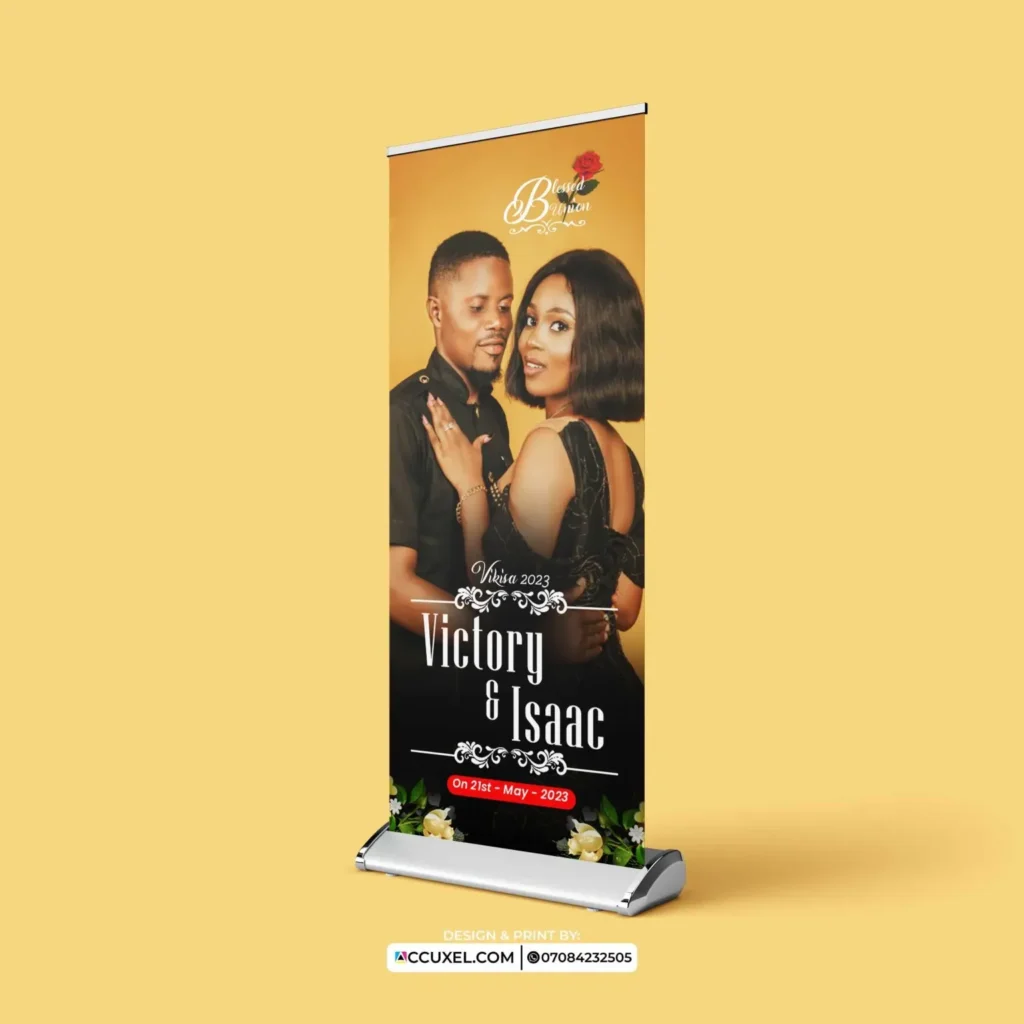
Custom roll up displays act as single-message anchors that can be positioned along the magnetic backwall to create a guided visual path. When integrated, these flat, portable units become narrative blocks that support product highlights, case studies, or pricing notes, while the magnetic panels provide spacing, alignment, and a cohesive aesthetic.
Ensure compatibility by selecting standard widths and heights for roll ups that fit your wall grid, and design artwork to exact dimensions to avoid distortion. The result is a synchronized wall that leverages the portability of roll ups and the reconfigurability of a magnetic system, delivering a unified booth experience across different show formats and audience interactions.
Design principles for trade show wall design: visual hierarchy, color, and typography
A strong trade show wall design starts with visual hierarchy that captures attention from a distance. Use a bold, high-impact headline on the main panel and keep body copy legible with large, legible type. The recommended hierarchy—large headings (40–60 point) and body text (14–18 point)—ensures key benefits are readable even in a crowded hall and from several steps away.
Maintain brand consistency by applying a unified color scheme, typography, and imagery across backwall display systems and portable displays. A brand kit or style guide should inform every choice, from color contrast to image lighting, so that the entire wall feels like a single, intentional environment rather than a set of disparate elements.
Portable and modular display walls: maximizing adaptability and speed
Portable trade show displays paired with modular display walls enable quick setup and tear-down, reducing on-site stress and shipping costs. The portability of roll up displays, combined with the modularity of the wall system, means you can reconfigure layouts for different venue sizes without a full rebuild.
This modularity also drives ROI, letting you reuse the same wall across multiple shows with only graphic updates. By storing components in labeled, padded cases and maintaining a routine assembly check, teams can achieve consistent quality and shorten booth preparation times between events.
Layout strategies to drive engagement: focal lines, sightlines, and demo zones
Effective layout strategies create a visual journey through your booth. Position a central roll up display as a focal point, flanked by magnetic panels with supporting messages to guide attendees from the hero claim to product details and testimonials. Balancing symmetry with varied content keeps the wall engaging without overwhelming visitors.
Consider sightlines and accessibility in your planning. Ensure the main messages are at eye level and legible from a few steps away, and reserve space near the wall for demos or interaction. This approach helps attendees move naturally through the space, increasing opportunities for engagement and lead capture.
Maintenance, upgrades, and longevity of magnetic wall systems
To maximize longevity, routinely inspect magnets, clean surfaces to remove dust, and check that graphic skins remain undamaged. When it’s time to refresh visuals, swap out the roll up displays or replace graphics on magnetic panels rather than replacing the entire system, preserving investment value.
The modularity of magnetic backwalls and compatible roll up displays supports ongoing marketing needs. Regular upkeep reduces wear, while upgrades—such as newer graphics or enhanced lighting—keep the booth looking fresh across many events, delivering a sustainable, cost-effective solution for long-term campaigns.
Frequently Asked Questions
What is a Magnetic trade show wall and how does it work with custom roll up displays?
A Magnetic trade show wall is a backwall display system that uses magnets to securely hold graphic panels and modules, delivering a clean, adaptable backdrop. When paired with custom roll up displays, it creates focal points that guide attendees from branding to product details while staying portable and reusable across shows.
How does Magnetic trade show wall design boost booth impact compared to traditional backwall display systems?
Magnetic wall design provides a flexible backbone that can be re-skinned and reconfigured for different booth sizes. When combined with portable trade show displays, it supports a clear visual narrative, faster setup, and a cohesive brand experience across events.
What are the benefits of pairing a Magnetic trade show wall with modular display walls?
The combination delivers a scalable, reusable booth where magnetic panels and modular display walls can be re-arranged to fit new layouts, reducing reprint and shipping costs and enabling rapid changes to messaging.
How should you plan space, branding, and messaging for a Magnetic trade show wall design?
Start with space planning: map booth footprint, traffic flow, and sightlines. Use your brand kit to choose colors, typography, and imagery, assign a bold hero message to the main panel, and place supporting points on adjacent roll up displays for a balanced, legible flow.
What materials and compatibility considerations exist for a Magnetic trade show wall with custom roll up displays?
Choose lightweight backwall panels (aluminum frames, scratch-resistant skins) with strong magnets, and verify that roll up displays come in standard widths/heights that fit the wall grid. Keep connectors or spacers handy for precise alignment and easy reconfiguration.
How can you maintain and upgrade a Magnetic trade show wall for multiple events?
Regularly inspect magnets and graphics, clean surfaces, and swap graphics on magnetic panels or roll ups as needed. Store components in labeled cases to protect graphics in transit, ensuring the wall remains flexible and delivers a strong ROI across shows.
| Aspect | Key Points | Notes / Benefits |
|---|---|---|
| Introduction to Magnetic trade show walls and Custom Roll Up Displays | Modular backwall that holds panels, banners, and displays; pairing with roll ups creates focal points that guide attendees’ eye. | Flexible, cost‑effective branding; reusable across shows. |
| The Case for a Magnetic Wall in a Modern Booth | Backbone of the booth; modular panels or magnet boards; easy re‑skinning; roll ups provide narrative blocks (brand promise, product, testimonials). | Creates a cohesive visual journey and reduces total cost of ownership compared with fixed‑wall systems. |
| Planning a Magnetic Trade Show Wall: Space, Brand, and Message | Map space, traffic flow, and reading zones; anchor the booth without overwhelming; align with brand kit. | Ensures coherent environment and clear sightlines to product tables or demos. |
| Designing with Focus: Visual Hierarchy and Copy Strategy | Bold, high‑impact headline; legible copy; main headings 40–60 pt; body text 14–18 pt; consistent brand voice. | Breathable layouts with strong visuals; avoid clutter; guides attendee attention efficiently. |
| Material Choices: Backwall Panels, Magnets, and Roll Up Compatibility | Lightweight, sturdy backwall panels; strong magnets; compatible roll ups; standard wall/grid dimensions; alignment spacers. | Efficient setup and reliable alignment during transit; reduces risk of damage. |
| Graphic Design and Printing: Consistency Across Panels and Displays | Unified color scheme, typography, and imagery; consistent logo placement; 300 dpi print for crisp graphics. | High professionalism; legibility from distance; cohesive brand storytelling across wall and roll ups. |
| Layout Strategies for Maximum Impact | Focal line centered on main roll up; symmetry with variation; clear sightlines; plan for demo space; accessibility considerations. | Guides eye path and supports quick information uptake by attendees. |
| Lighting and Environmental Considerations | Ambient + directional lighting; LED strip lights; spotlights on key roll ups; consider color temperature. | Enhances color fidelity, reduces glare, and creates inviting atmosphere. |
| Portability, Setup, and Reusability | Components are designed to disassemble/reassemble quickly; roll ups are portable; setup checklist; labeled cases. | Faster, repeatable setup and easier storage across events. |
| Common Pitfalls and How to Avoid Them | Misalignment; graphic drift; inconsistent branding; overcrowded panels; neglecting maintenance. | Use alignment guides, brand books, and keep messaging focused to prevent issues. |
| A Quick Case Example: How a B2B Tech Company Used a Magnetic Wall to Boost Demos | Hero statement on wall; product demo video on roll up; testimonials on panels. | Attendee dwell time and qualified leads increased; demonstrates cohesive design impact. |
| Cost Considerations and ROI | Initial cost includes panels, magnets, frames, and pull‑ups; high reuse reduces ongoing spend. | ROI factors include setup time saved, rebrandability, and higher attendee engagement. |
| Maintenance, Upgrades, and Longevity | Inspect magnets; clean surfaces; swap roll ups; refresh graphics without replacing entire system. | Modularity supports evolving marketing strategies and lowers long‑term costs. |
Summary
Magnetic trade show wall setups offer a scalable, flexible solution for modern trade show booths. This approach delivers a clean, cohesive aesthetic, rapid setup, and the ability to update messaging across events without costly reconfigurations. By combining modular backwall panels with portable roll ups, exhibitors can tailor booth geometry to different show layouts and audience flows while preserving brand integrity through a shared color palette, typography, and imagery. Practical steps such as planning space and sightlines, maintaining visual hierarchy, and ensuring compatibility between wall panels and roll ups help maximize impact. When executed with attention to graphic coherence, high‑quality print assets (300 dpi), and robust magnetization, a Magnetic trade show wall can reduce booth setup time, lower total cost of ownership, and accelerate leads. In performance terms, the wall becomes a storytelling backbone that guides attendees along a deliberate narrative—from brand promise to product details and testimonials—creating a memorable, repeatable experience. For teams attending multiple events, the system’s reusability and modular upgrades invite ongoing optimization, ensuring your exhibit remains fresh, credible, and conversion‑oriented at every show.