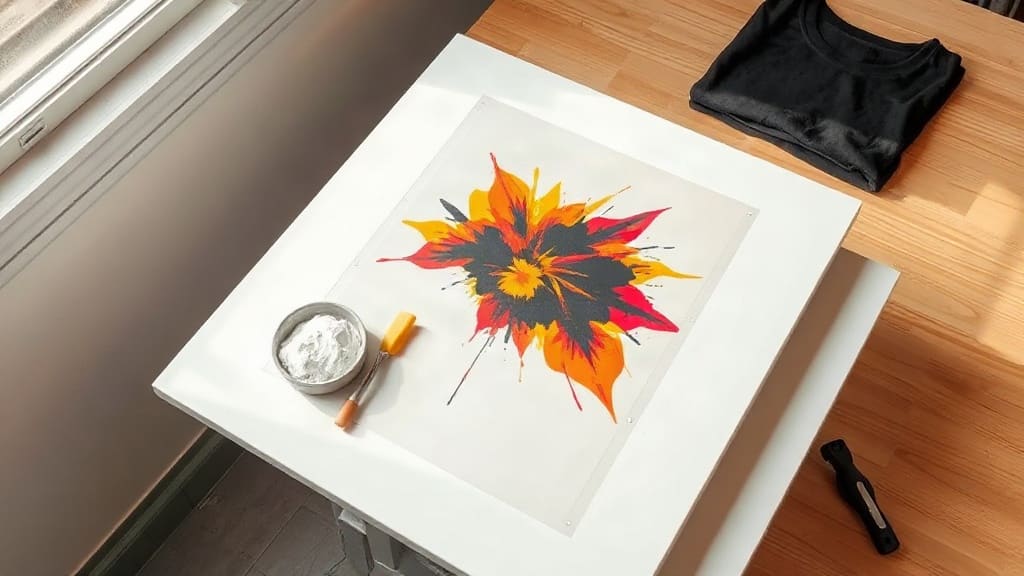
DTF Printing: A Practical Guide for Print on Demand Sellers
DTF printing has quietly become one of the most flexible decoration methods for print on demand sellers. Here is how it actually works, where it shines, and what to watch out for.

DTF printing has quietly become one of the most flexible decoration methods for print on demand sellers. Here is how it actually works, where it shines, and what to watch out for.
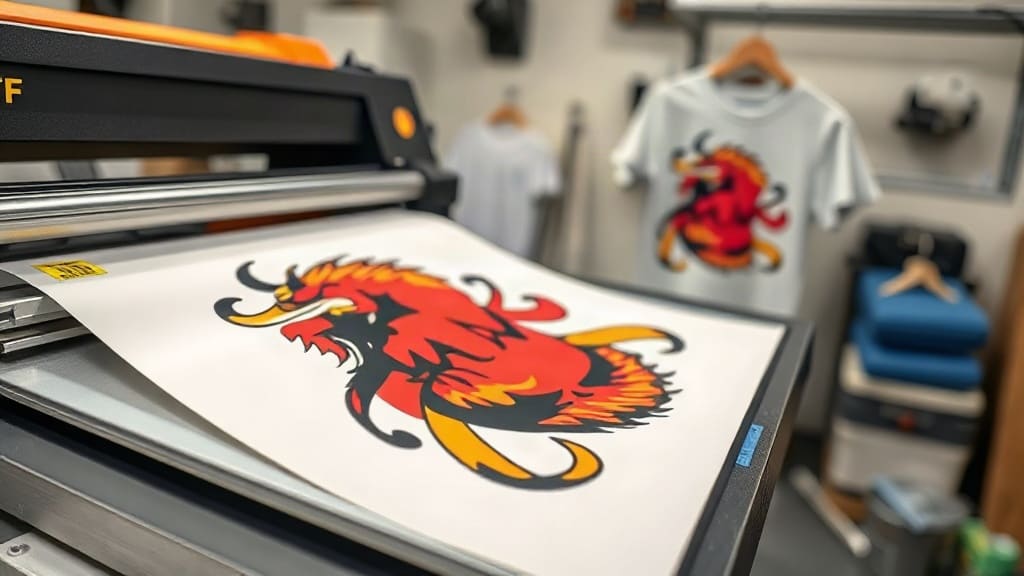
Learn how DTF printing works, why it's popular for custom apparel, and how to get started with your own designs.
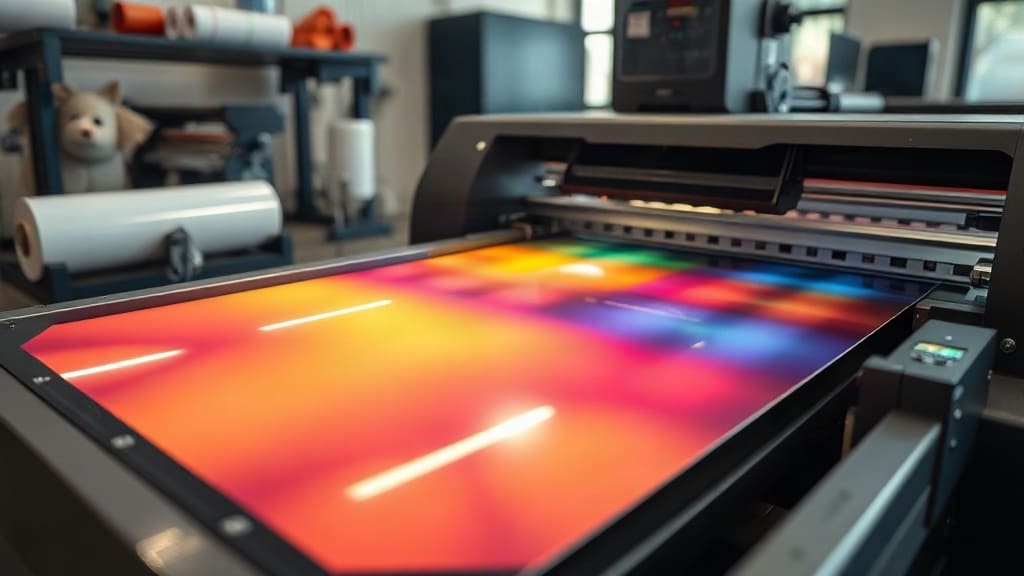
Discover how DTF printing works, from film selection to powder application, and learn to avoid common pitfalls for vibrant, durable transfers.
Learn how DTF printing works, from film preparation to final press, and discover tips for vibrant, durable transfers that elevate your custom apparel.
Discover how DTF printing works, why it's revolutionising custom apparel, and how to get started with this versatile technique.
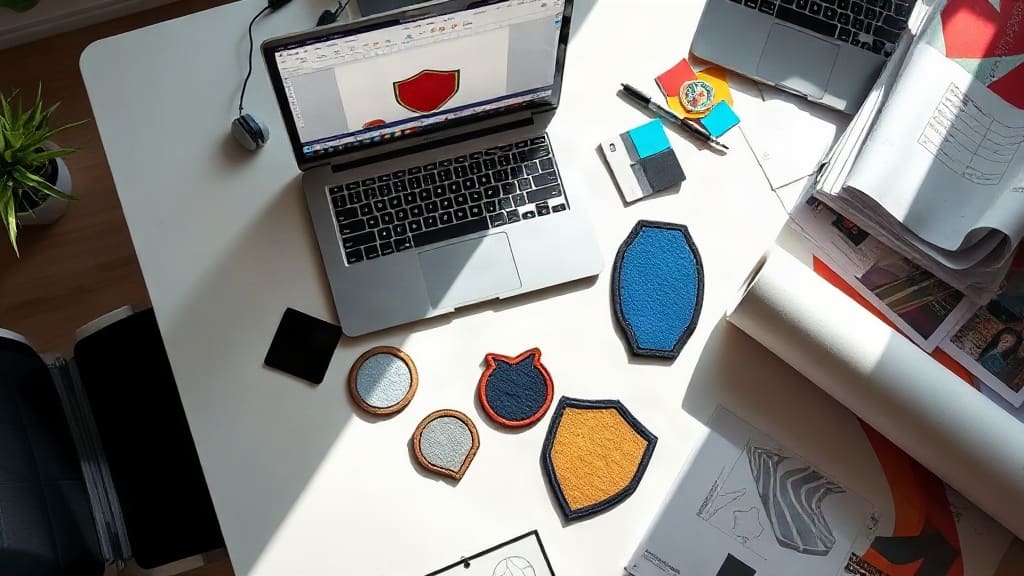
Discover how print on demand for custom patches and banners works, its benefits, and practical tips for creating standout products without inventory.
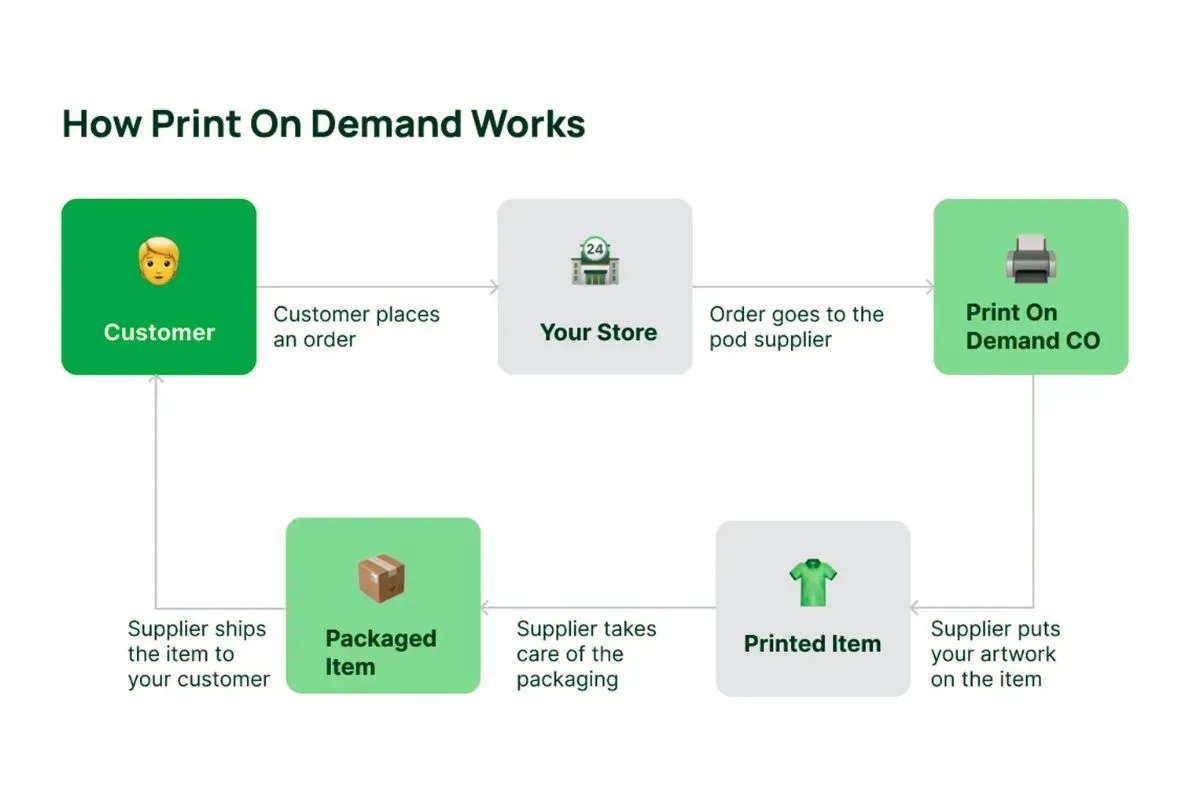
Print on Demand has transformed how entrepreneurs launch stores and monetize creativity.For anyone exploring a print on demand business, this guide highlights how to start a POD store and compare platform options.
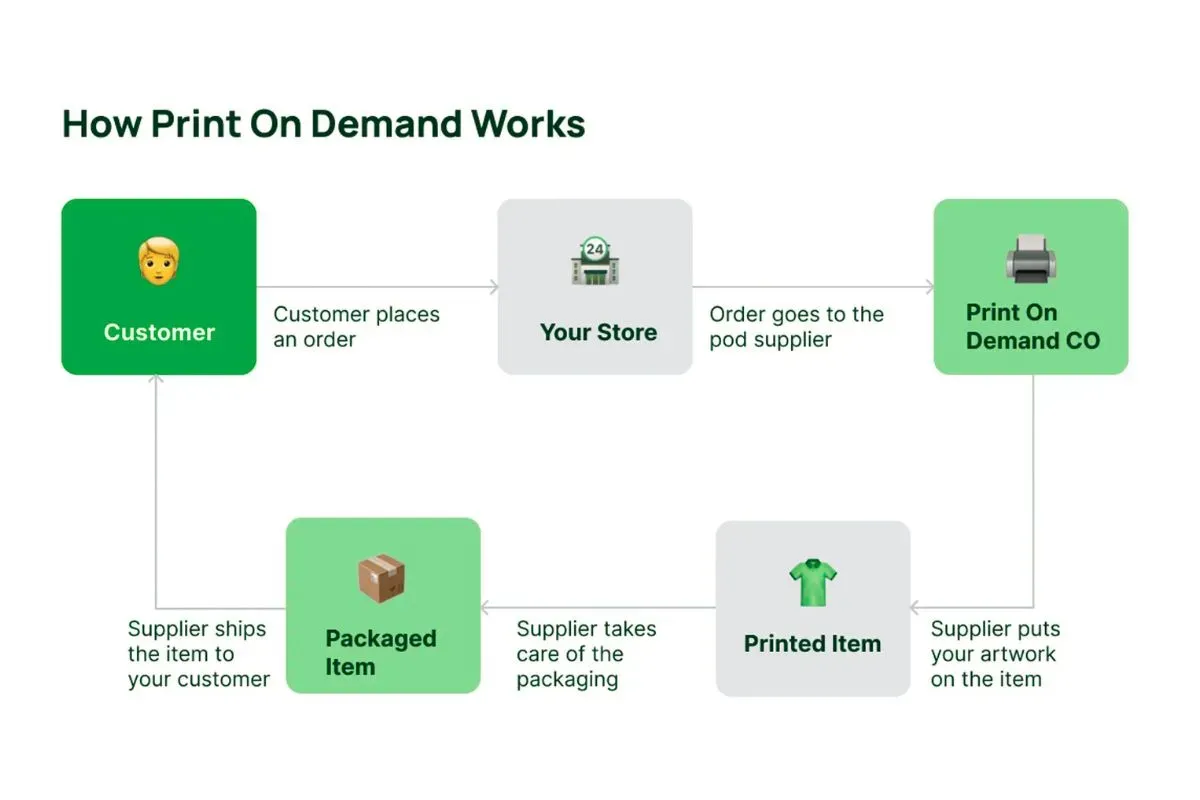
Print on Demand reshapes e-commerce by letting creators turn ideas into tangible products without upfront inventory.By partnering with a print-on-demand provider, you design products, list them for sale, and only pay to produce items when customers place orders.
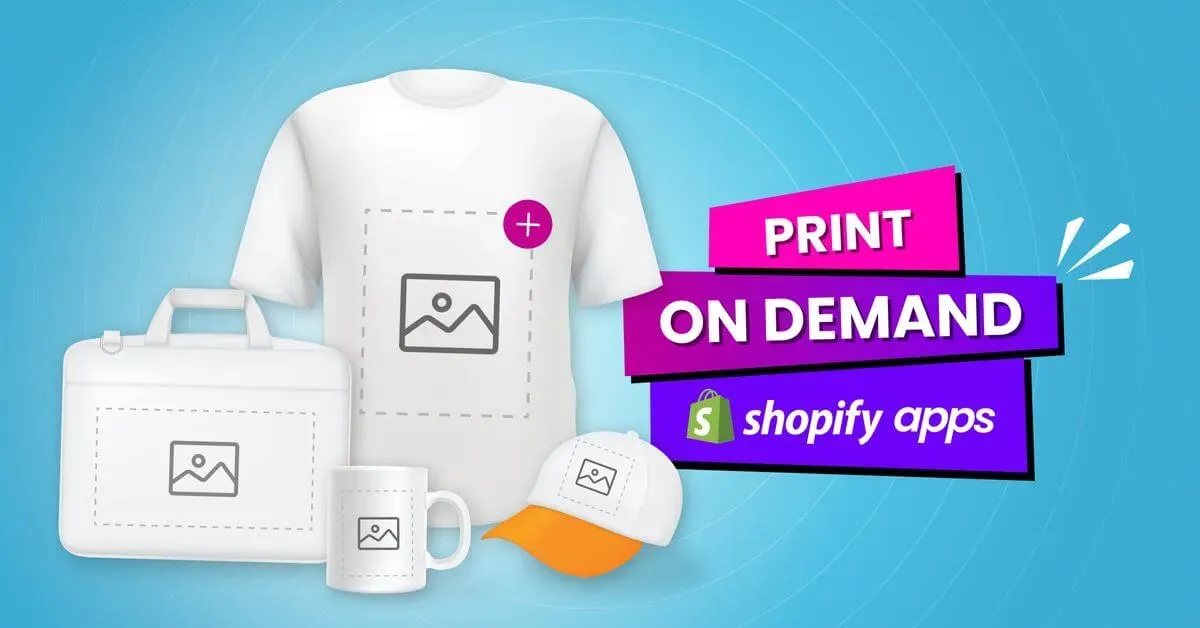
Brand building with print on demand is a modern, scalable approach to launching a consumer brand without the risks of large upfront inventory, integrating design, messaging, and marketing into one cohesive system.By combining thoughtful design, precise messaging, and smart marketing tactics, entrepreneurs can deliver a consistent brand experience across products, packaging, and digital touchpoints that resonates with customers.
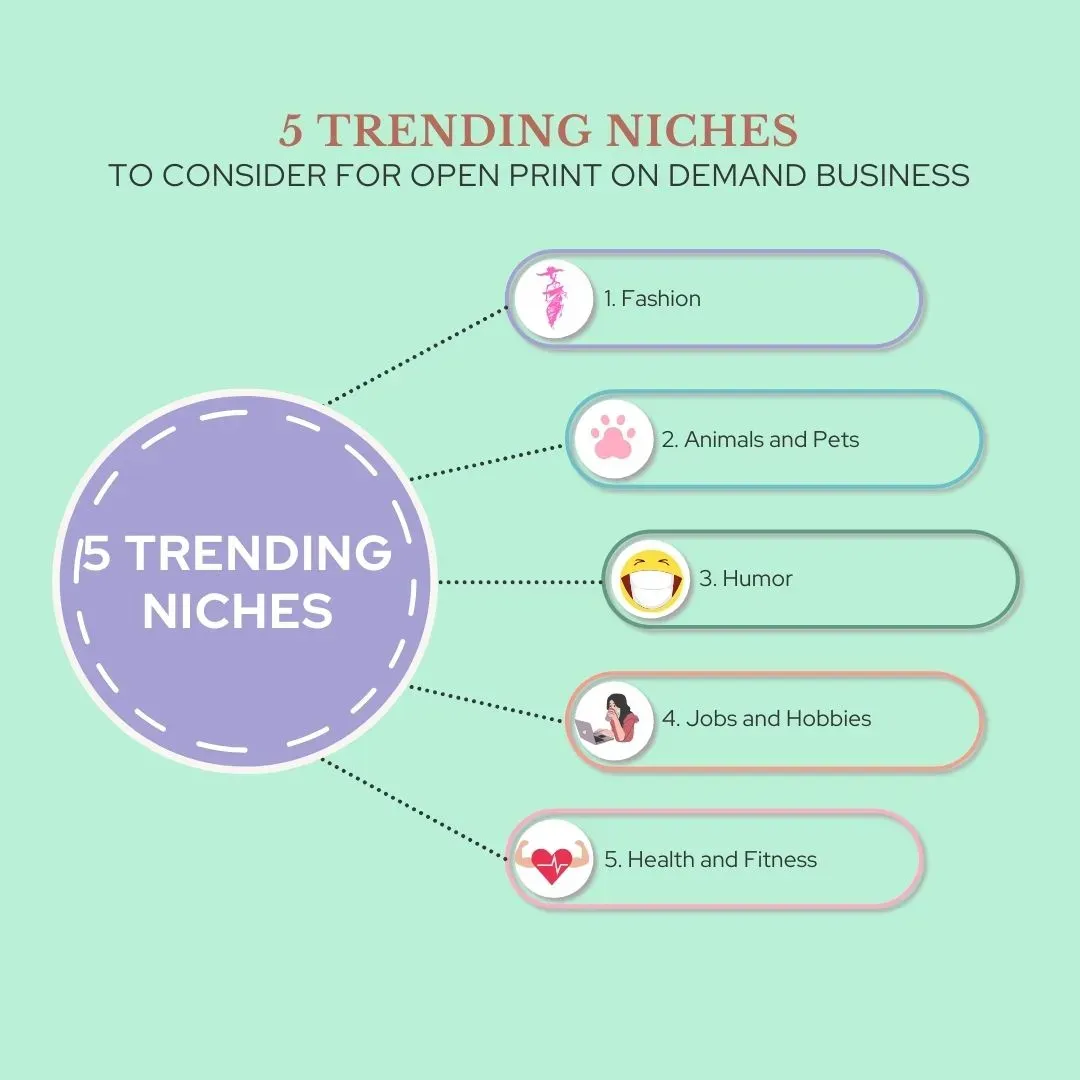
The concept of print on demand niches that convert represents the sweet spot where passion meets purchase intent, especially in a crowded online marketplace.By targeting specific audiences with personalized designs, creators can unlock consistent sales without heavy upfront costs.
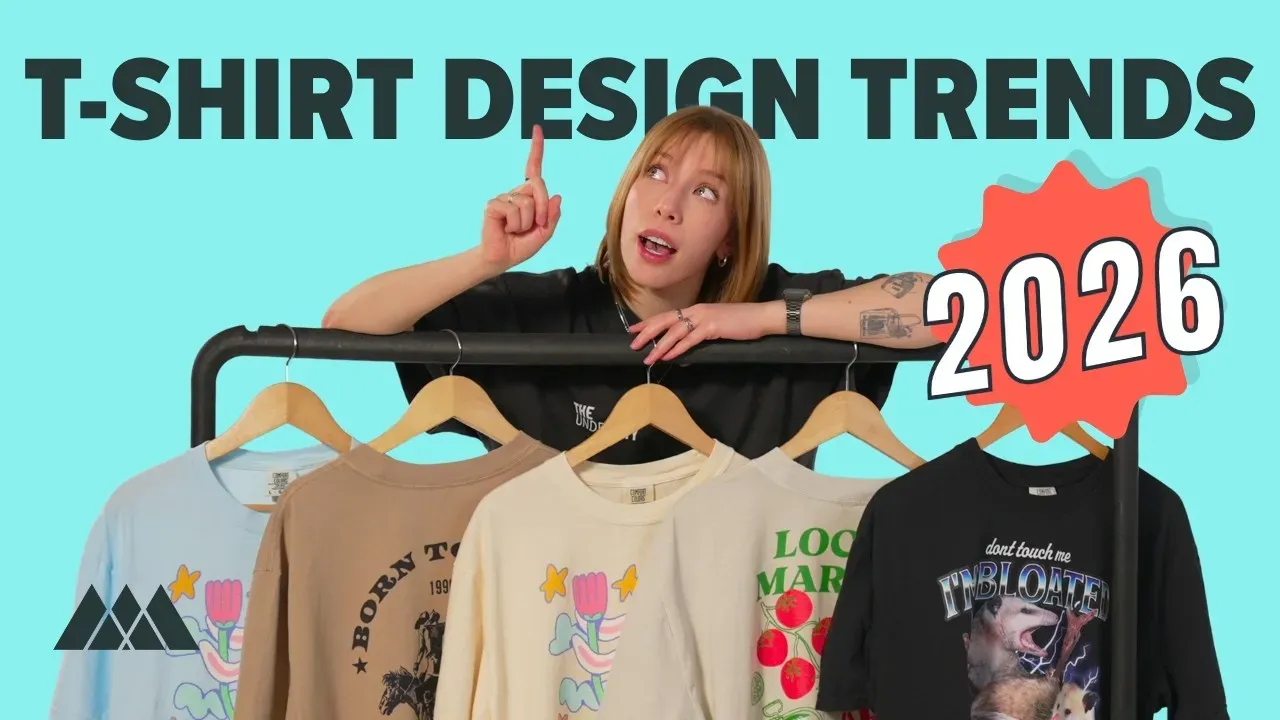
Print on Demand design trends 2026 are reshaping how creators blend style with immediacy, producing products that feel both fresh and purposeful.From bold typography for print on demand to minimalist layouts, designers balance legibility with impact to capture attention in a crowded online marketplace.
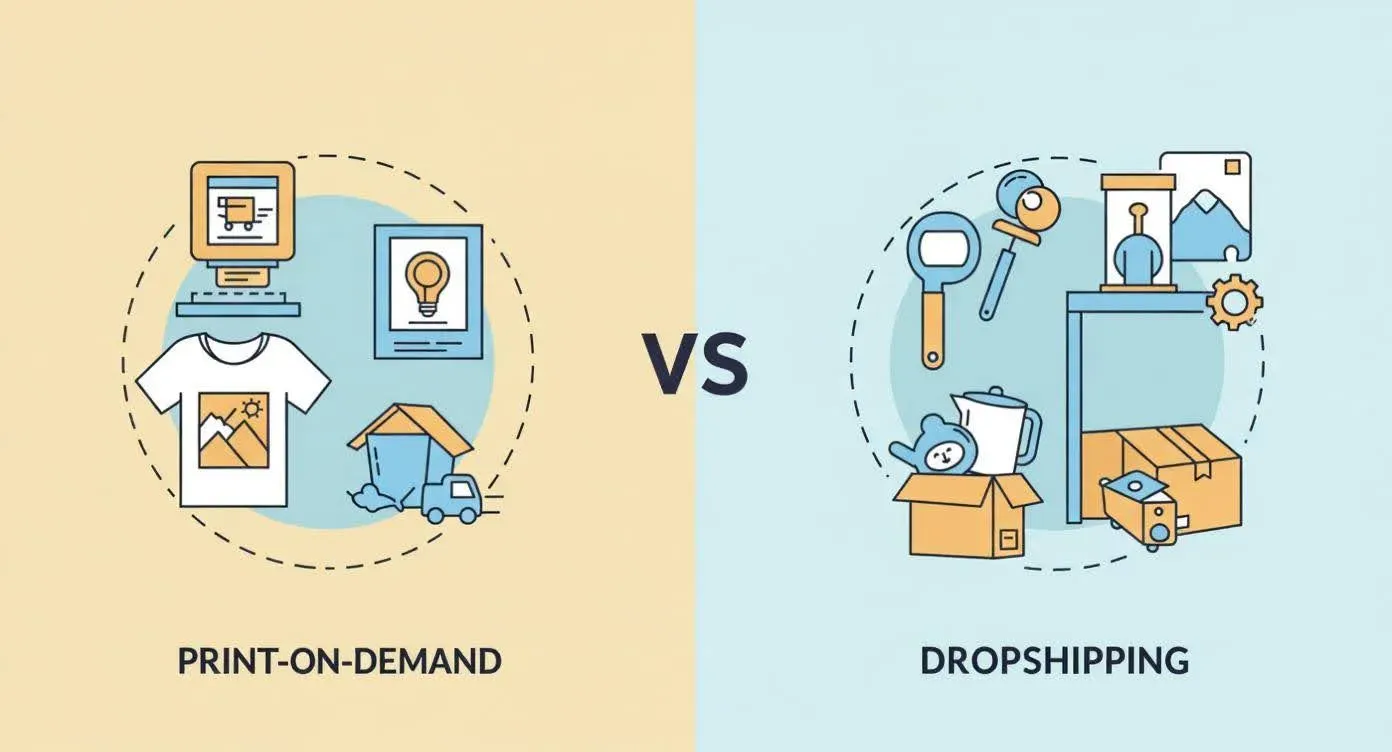
Print on Demand vs Dropshipping is a foundational choice for modern ecommerce, shaping how products are produced, sourced, and fulfilled.Both models let you sell without holding large inventories, but they differ in customization, production control, and shipping timelines.
Sustainable Print on Demand is a practical, growth-oriented approach to running a modern print-on-demand business that minimizes environmental impact while delivering value to customers.In a world where consumers increasingly favor brands with transparent sustainability commitments, POD operators can differentiate themselves by combining responsible printing practices with efficient packaging.
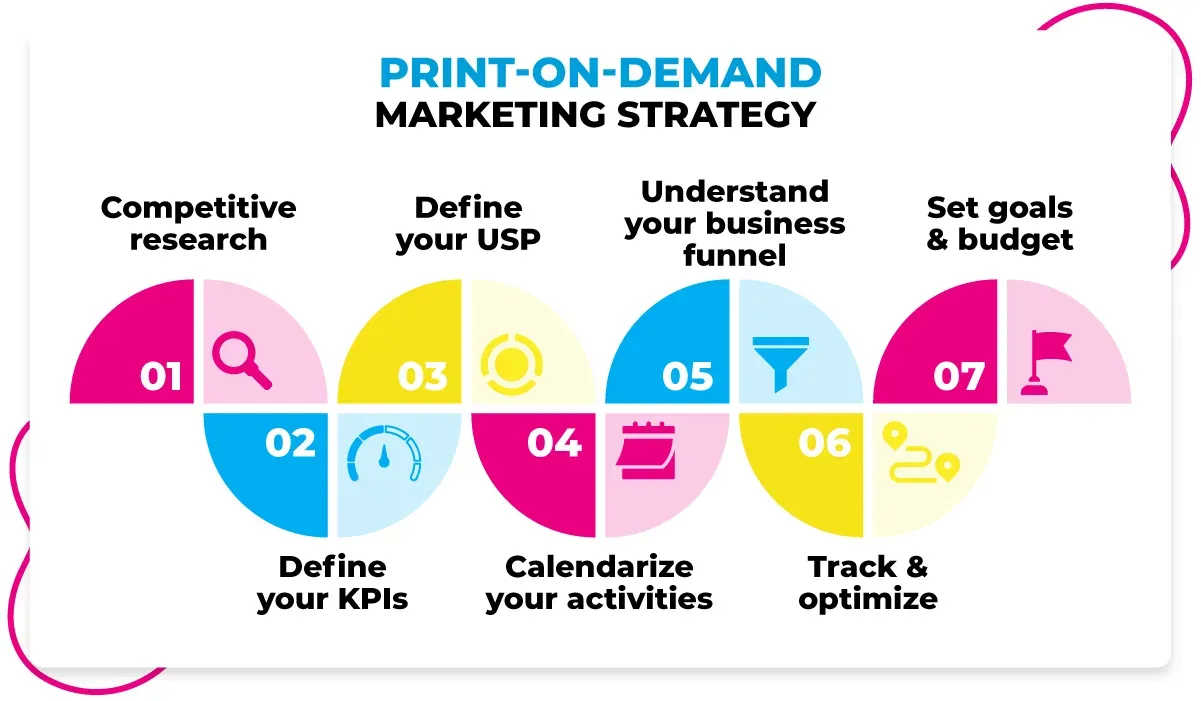
Print on Demand marketing is the difference between a store that gets visitors and a store that turns visitors into loyal customers.For creators and entrepreneurs launching a POD business, the marketing playbook can feel overwhelming.
Choosing a Print on Demand Platform is a pivotal decision for any modern business looking to scale without heavy upfront inventory, because it shapes product variety, supplier relationships, and your ability to test concepts quickly.To stay competitive, you’ll want to run print on demand platform comparisons that weigh production partners, pricing models, and integrations across channels, while also considering regional coverage and multi-store fulfillment.
The 6-Figure Print on Demand Brand journey begins with clarity, a customer-centered mindset, and repeatable processes that turn ambition into action.This introductory overview functions as a practical print on demand case study, distilling decisions, experiments, and results into a replicable blueprint.
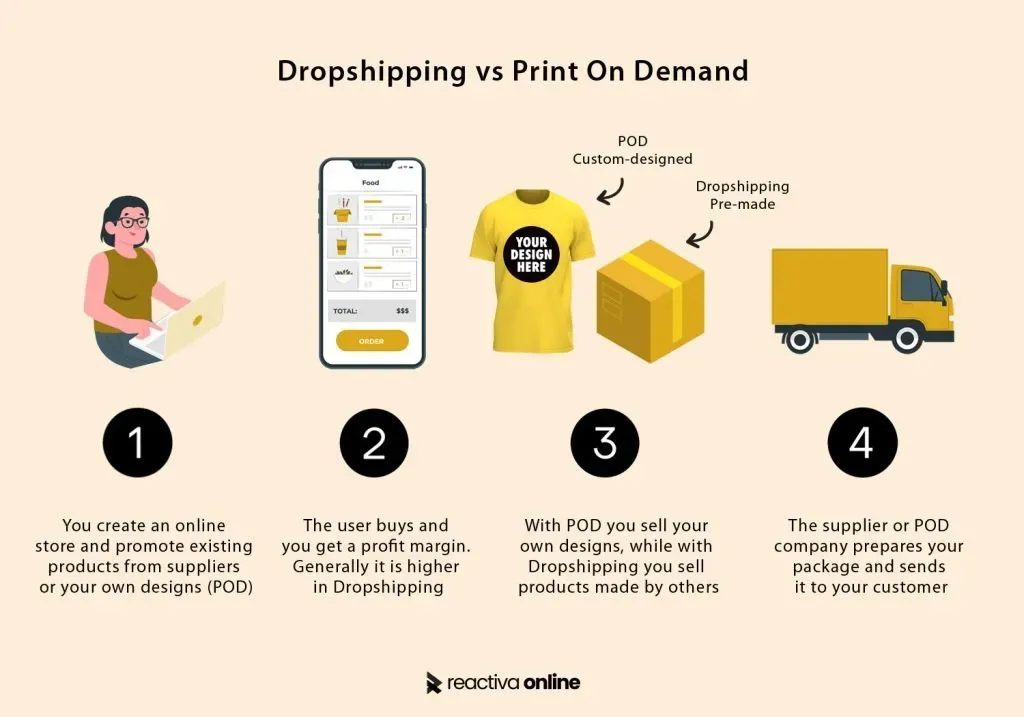
Print on Demand vs Dropshipping is more than a simple fulfillment choice; it is a strategic lens through which a brand can shape product storytelling, margins, customer expectations, supplier relationships, and the overall trajectory of growth in competitive ecommerce markets.Each model carries distinct advantages, trade-offs, and branding implications that ripple across product design, packaging aesthetics, inventory planning, fulfillment speed, and the way your audience experiences your identity online—from the initial impression to unboxing—and even the narrative around POD vs dropshipping for brand.
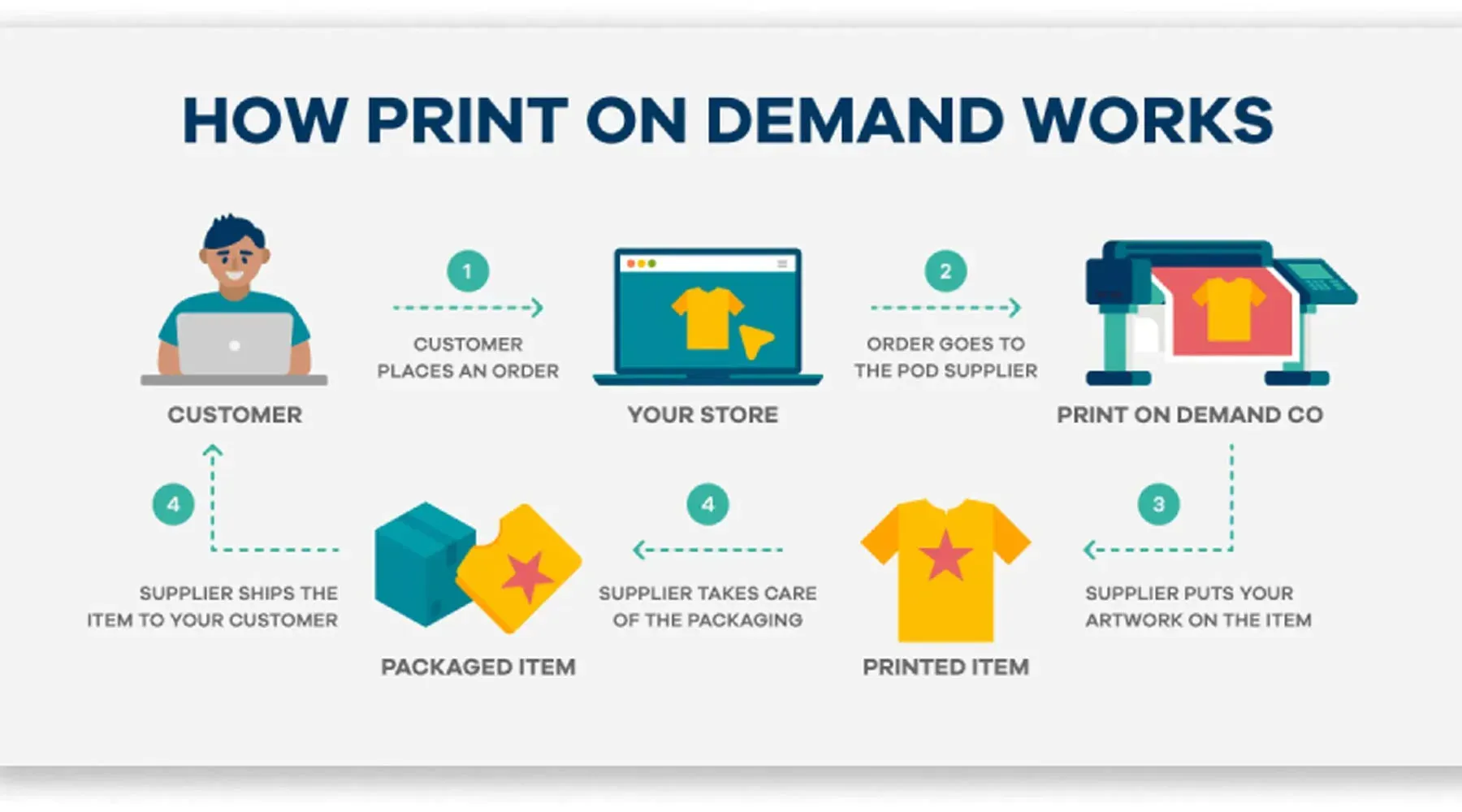
Print on Demand is reshaping how brands launch products online, offering flexibility and minimal upfront risk.As a print on demand business model, products are created only after a customer places an order, helping conserve cash flow and reduce inventory risk.
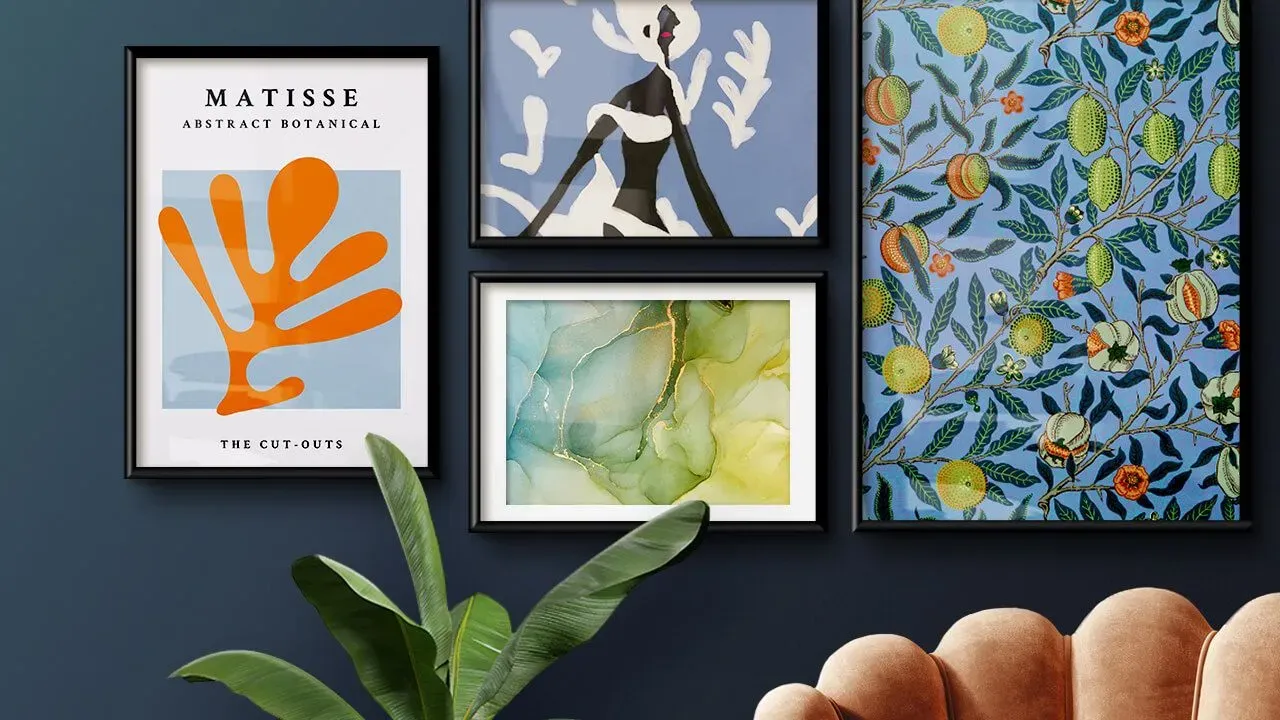
Print on demand artwork is reshaping how creators monetize creativity by blending bold design with scalable production, enabling you to test ideas quickly, reach diverse markets, and turn concept into products across posters, apparel, and cozy, beautiful home decor.In this introductory guide, you’ll learn how to translate artistic vision into production-ready files, optimize for different substrates like canvas, apparel, and phone cases, choose color profiles, and position your work so it stands out in crowded marketplaces while staying true to your brand.
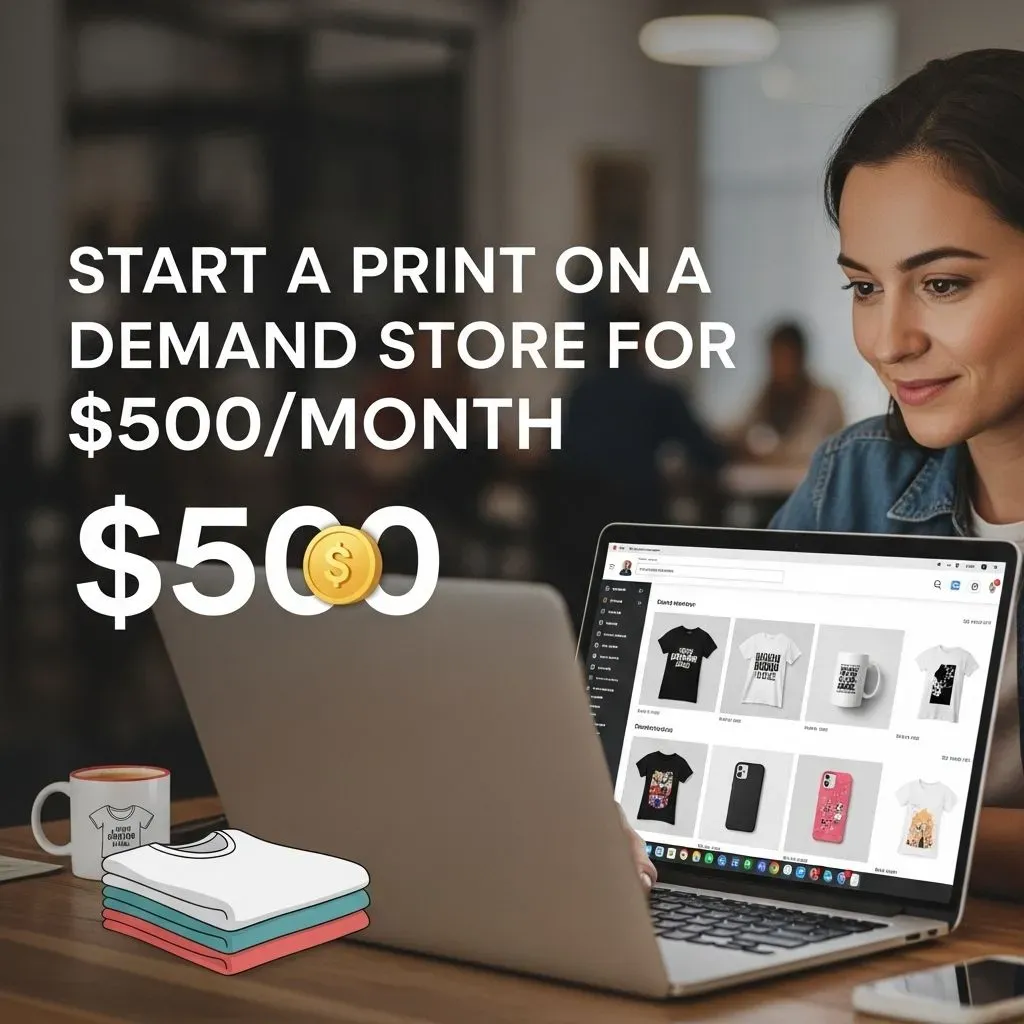
If you’re looking to build a lean, scalable business with low upfront risk, a print on demand store offers a smart path to design, test, and sell custom products without inventory, warehousing, or manufacturing commitments, while giving you the flexibility to adjust offers as market feedback comes in.This model reduces risk further by letting you experiment with ideas in small batches, validate popularity through customer interest signals, and scale operations as orders accumulate, making it an attractive option for creators who want to iterate quickly, refine messaging, and learn what truly resonates.
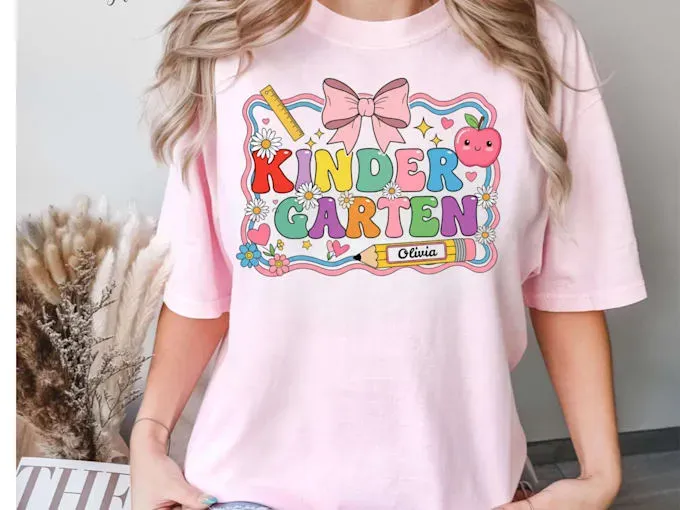
High-Converting Print on Demand Merch is changing how creators turn designs into sales by pairing strong visuals with clear value.Effective listings benefit from focused design tactics and a data-backed mindset that informs imagery, copy, and layout across devices.
Scale a Print on Demand Store Without Inventory is the dream for many ecommerce entrepreneurs, offering the flexibility to test dozens of designs and product types—from apparel to home goods—while keeping cash flowing, reducing risk, accelerating time to market, avoiding the capital lockup that comes with stocking inventory you might never sell, and building a scalable engine that rewards data-driven decisions, structured workflows, and disciplined experimentation across audiences, channels, and seasonal opportunities.At its core, the POD business model means products are produced only after a customer places an order, so you avoid bulk materials, warehousing, and the headaches of inventory management, while gaining the freedom to iterate on designs, pricing, packaging, and brand storytelling with relatively low upfront investment and a faster path to profitability, particularly when you combine compelling product descriptions with SEO-optimized imagery.
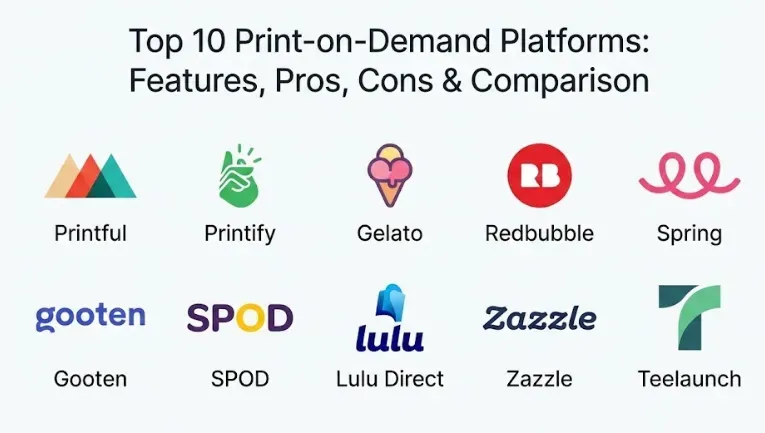
best print on demand platforms 2026 are redefining how brands scale by delivering expansive product catalogs, dependable fulfillment networks, smarter integrations with e-commerce stores, predictive analytics for demand and margin management, and pricing transparency that helps small teams forecast profitability across seasonal campaigns and global markets.Understanding POD platforms 2026 features equips you to compare catalogs, print methods such as DTG, sublimation, or embroidery, color fidelity, and packaging options, while also weighing automation depth, API access, regional coverage, service-level commitments, and the strength of partner ecosystems that influence long-term scalability and brand consistency across markets worldwide.
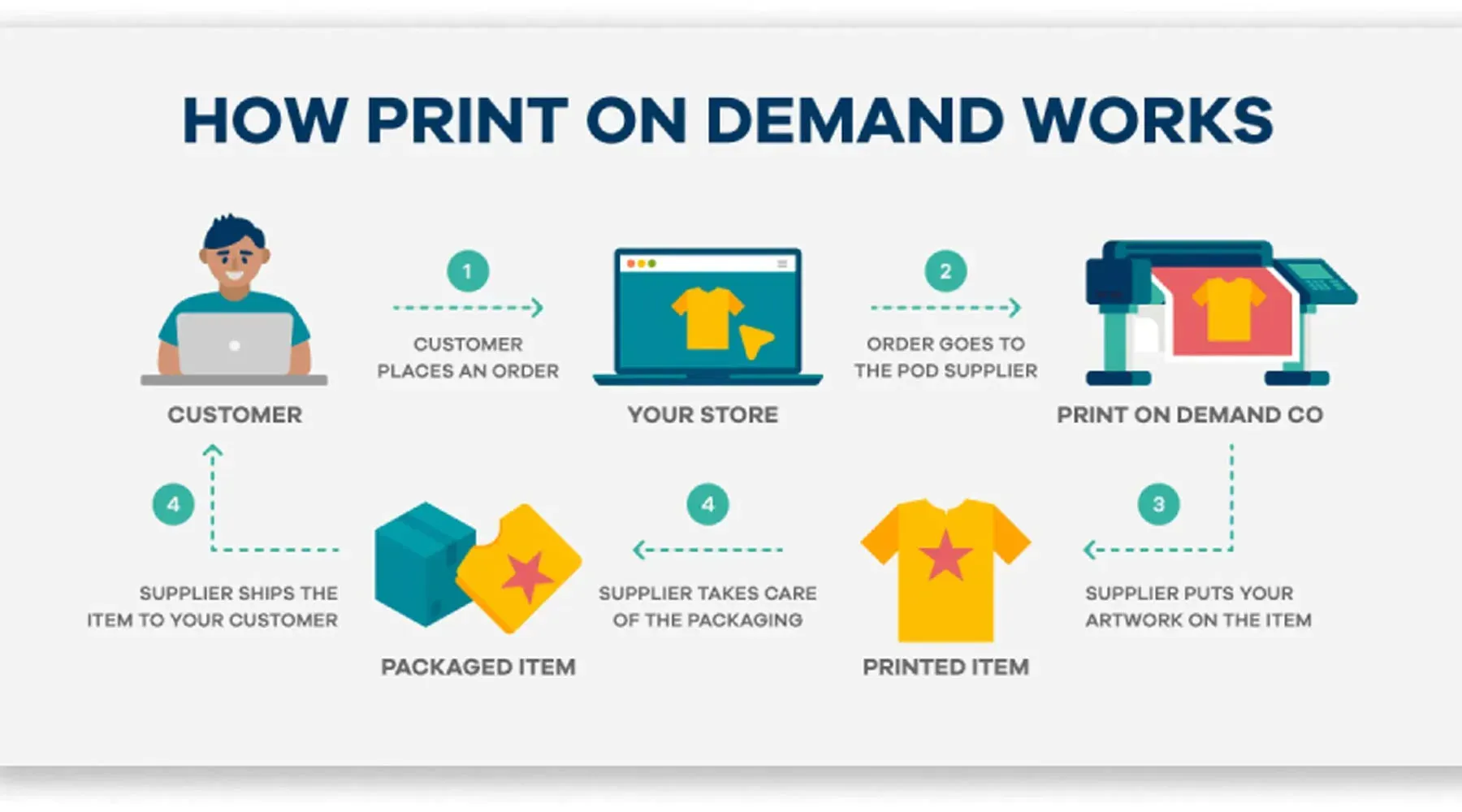
The print on demand brand timeline guides your journey from idea to first sale and beyond.A clear sequence helps you map milestones, allocate resources, and avoid detours that waste time.
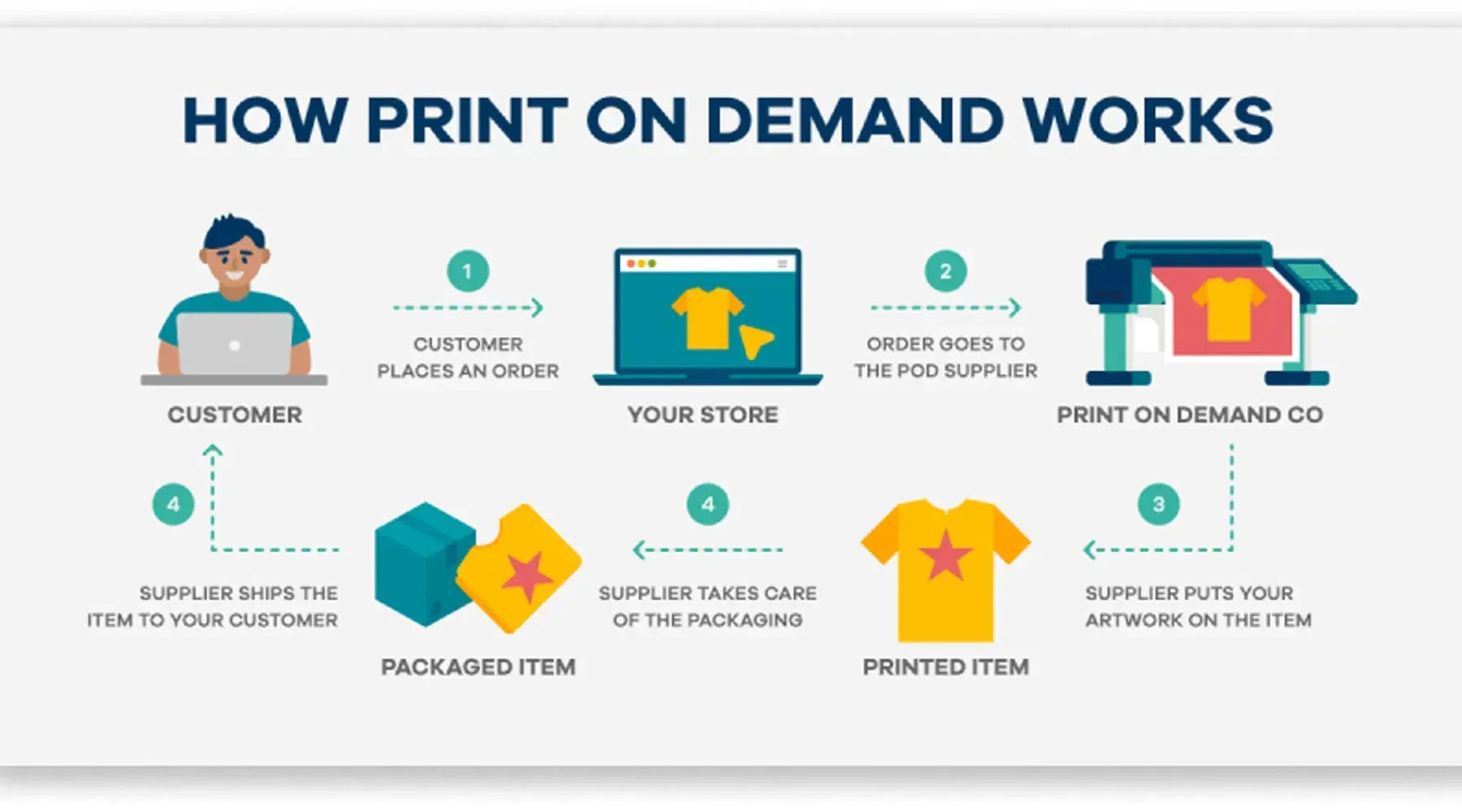
Print on Demand Marketing is a holistic growth framework that blends search engine optimization, social media engagement, and email-driven retention to scale a POD business.In a crowded marketplace, simply listing products isn’t enough; you must craft content and experiences that help customers discover, trust, and buy from you.
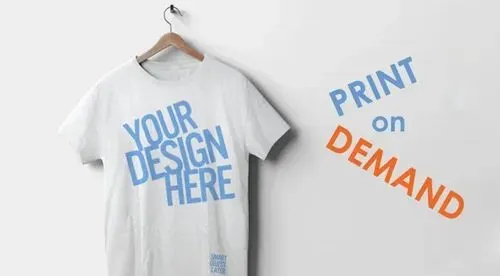
Print on Demand for Merch is transforming how creators, brands, and entrepreneurs bring ideas to life online, turning bold concepts into market-ready products without the upfront costs of traditional inventory and the risks of unsold stock.Rather than stocking bulk runs, you can design, test, and launch merchandise with minimal risk by leveraging print on demand for merchandise and the POD for clothing ecosystems that connect designers with fulfillment partners who print and ship on demand.