
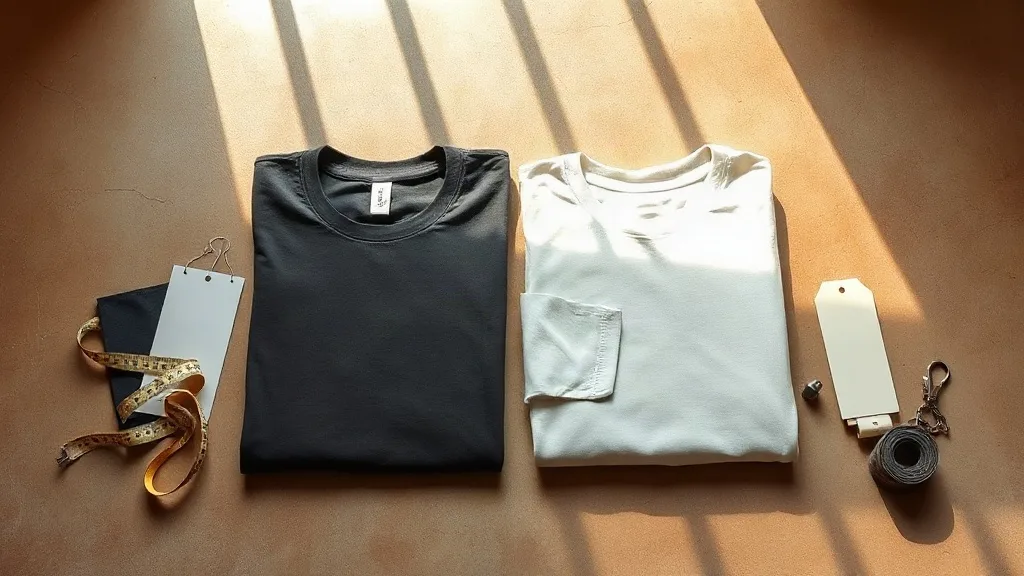
Walk into any print shop that handles streetwear accounts and you will hear the same two names come up whenever someone needs a heavyweight tee that does not feel like cardboard: shaka wear and smart blanks. Both have earned loyal followings among decorators, but they solve different problems. Picking the wrong one for a job can mean cracked screens, disappointed clients, or a fit that photographs beautifully but wears poorly after three washes. This guide breaks down where each line shines, how they behave under a squeegee, and how to decide which one belongs in your next run.
Why the Blank Choice Matters More Than the Design
Most people outside the apparel trade assume the artwork is the hard part. In practice, a clean design on a flimsy blank looks cheap, while a simple one-color print on a substantial garment reads as premium. The blank sets the ceiling on perceived quality before a single screen touches the fabric.
That is why shops keep a short list of trusted suppliers rather than chasing whatever is cheapest that month. Consistency between dye lots, predictable shrinkage, and a fit that matches the market you sell into all matter more than a few cents per unit. shaka wear and smart blanks both sit in that trusted tier for many buyers, but for different reasons.
What Buyers Actually Ask About
When a client walks in with a reference photo, the questions behind the questions tend to be the same few: Will this shirt look boxy or slim on a real body? Will the neckline survive a hundred wash cycles? Can I print a large back graphic without the fabric sagging under the ink? Answering those honestly early saves everyone a round of samples.
Shaka Wear: Heavyweight Fabric With a Streetwear Attitude
Shaka Wear built its reputation on dense cotton tees and fleece that feel substantial in the hand. The brand leans into a relaxed, boxy silhouette that suits oversized fits, skate-influenced graphics, and the kind of drop-shoulder styling that photographs well on social media.
For decorators, the practical upside is ink laydown. A heavier jersey with a tight knit holds plastisol and water-based prints with less bleed and less show-through on light garments. If you are printing a large chest hit or a full back panel, the fabric has enough body to support the deposit without rippling.
Where Shaka Wear Performs Best
- Streetwear and skate labels that want an oversized, structured drape out of the box.
- Heavyweight graphic tees where a bold print needs a stable surface.
- Fleece programs for hoodies and crewnecks sold as premium basics.
- Merch drops where the garment itself is part of the visual identity.
Points to Watch
The same weight that makes Shaka Wear appealing can work against you in warm climates or on fitted silhouettes. A 6.5 oz tee is not the right call for a women's cut summer top or a corporate giveaway in July. Order a sample in the exact colorway you plan to use, because heavyweight dyed cotton can behave differently across shades, particularly with dark pigments that absorb more heat during curing.
Smart Blanks: Dependable Everyday Basics
smart blanks takes a different approach. The line is built around reliability and range, with a focus on mid-weight garments that fit predictably and take decoration without surprises. If your business runs on repeat orders for team uniforms, school programs, or corporate merch, predictability is the whole game.
Where these blanks earn their keep is in volume work. Consistent sizing across restocks means your client's second order matches the first, which matters when you are printing fifty polos for a staff refresh every spring. The mid-weight hand also makes them comfortable for all-day wear, which is why they show up so often in uniform and event contexts.
Where Smart Blanks Performs Best
- Corporate and promotional programs that need consistent, comfortable basics.
- Uniform and team orders where fit consistency across sizes is critical.
- Retail-ready basics for brands selling simple, well-cut essentials.
- High-volume screen printing where cost per unit and repeatability matter.
Points to Watch
If your brand identity depends on an oversized, structured look, mid-weight blanks may feel underwhelming. Plan for that by choosing fits deliberately rather than defaulting to a standard cut. Also confirm the exact fabric content on the styles you order, since blends within a single line can affect how discharge inks and certain water-based systems behave.
Side-by-Side: Choosing Based on the Job
The most useful way to compare the two is to stop thinking in absolutes and start matching the blank to the brief. A few scenarios make the decision straightforward.
- A streetwear drop with a large back print. Go with shaka wear. The heavier hand supports the ink and the boxy cut fits the aesthetic.
- A 300-piece staff shirt order for a hotel group. Go with smart blanks. Comfort, sizing consistency, and repeatability win.
- A band merch run sold at shows. Either works, but lean toward the heavier option if the design is bold and the audience expects a substantial tee.
- A school spirit-wear program restocked every year. smart blanks keeps the fit stable across seasons.
- A limited capsule with premium pricing. Heavyweight shaka wear styles justify a higher retail price point.
Decoration Notes That Apply to Both
Whichever line you choose, a few habits protect your results. Wash-test a sample with the actual print before committing to a full run. Check that your curing temperature matches the fabric content, since heavy cotton and cotton-poly blends tolerate heat differently. And keep a written record of the exact style numbers and color codes you approve, because supplier catalogs shift and verbal approvals evaporate.
For shops that print both lines, storing them separately with clear labeling prevents the classic mistake of grabbing the wrong blank mid-run. It sounds trivial until you have printed forty shirts on the wrong weight and have to eat the cost.
Cost, Margin, and the Retail Story
Price per unit is only half the equation. The other half is what the finished garment can sell for. A heavyweight tee from shaka wear supports a higher retail price because customers can feel the difference on the hanger. A mid-weight basic from smart blanks supports volume and repeat business because the margin holds at scale.
Run the numbers on both before you commit to a supplier relationship. Factor in waste from misprints, which tends to be slightly lower on stable mid-weight fabrics, and the labor cost of reprints when a heavyweight fabric misbehaves during curing. For most shops, the right answer is carrying both lines rather than picking a single winner.
Frequently Asked Questions
Is Shaka Wear good for screen printing large designs?
Yes. The heavier jersey holds a stable surface for large ink deposits, which reduces bleed and show-through. Just confirm your cure temperature and test a sample before a full production run.
Are Smart Blanks true to size?
They are generally cut to standard sizing with consistent grading across the range, which is why they work well for uniform and team orders. Always check the specific style's size chart, since cuts vary slightly between garments within a line.
Which blank is better for a first streetwear collection?
If your brand leans oversized and graphic-heavy, start with heavyweight options. If you are testing the market with simple essentials, a mid-weight blank keeps costs manageable while you learn what your audience buys.
Do these blanks work with water-based inks?
Both can work with water-based systems, but results depend on fabric content and knit density. Heavier cotton absorbs more and can produce a softer, more vintage finish, while blends may require different additives. Test before committing.
Can I mix both lines in one product catalog?
Absolutely, and many shops do. Use the heavyweight line for statement pieces and the mid-weight line for basics, uniforms, and volume programs. Keep style numbers documented so reorders stay consistent.