
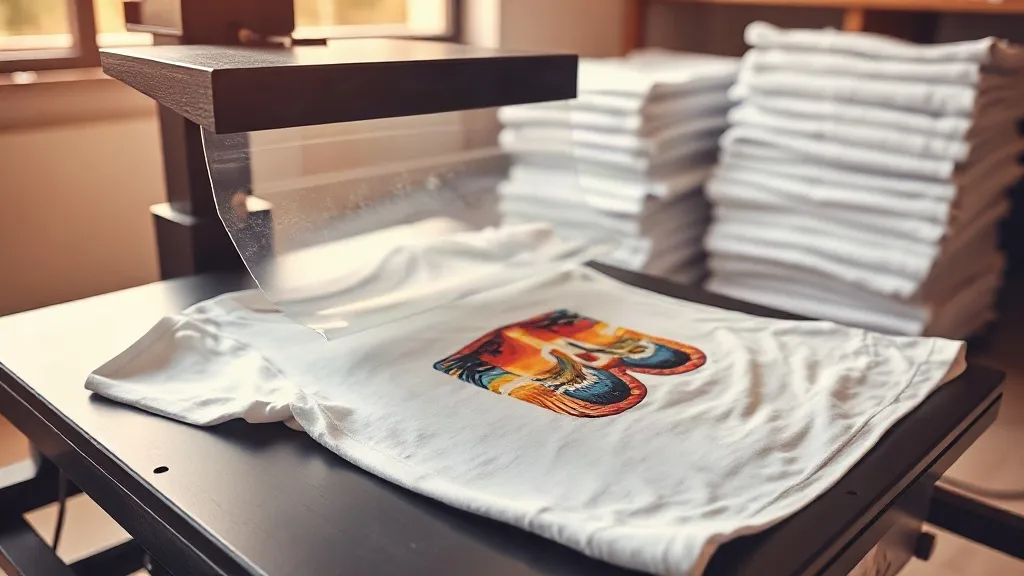
Walk into any print shop that handles small-batch apparel and you will notice a shift. Heat presses are running more often with film instead of screens, and the reason usually comes down to one word: flexibility. dtf transfers let a shop print a full-color design in minutes, press it onto almost any fabric, and skip the setup costs that make short runs painful. If you are weighing print methods for a brand, a team order, or a side project, understanding how this process actually behaves in production will save you money and a few headaches.
What a DTF Transfer Actually Is
DTF stands for direct to film. A printer lays down water-based pigment inks onto a special PET film, then applies a fine layer of hot-melt adhesive powder over the wet ink. Once the powder is cured, you have a flexible transfer sheet that can sit in storage until you need it. To apply it, you place the sheet on a garment, press it with heat, let it cool, and peel the film away. What stays behind is the ink bonded to the fabric through that adhesive layer.
The important detail is that the adhesive does the heavy lifting. Unlike vinyl or screen printing, the ink never touches the fabric directly during printing. This is why dtf works on cotton, polyester, blends, canvas, and even some nylon without the color or durability problems that plague other methods on synthetic materials.
Why the Powder Layer Matters
People often underestimate the powder step and treat it as an afterthought. In practice, it decides how the print feels and how long it lasts. Too little powder and the ink cracks or washes out. Too much and you get a stiff, plastic-like patch that customers notice immediately. A well-calibrated shop shakes off excess powder evenly and cures at a consistent temperature, which is why two transfers from different suppliers can feel completely different on the same shirt.
Where DTF Fits in a Real Production Line
Most shops do not replace everything with film. They use it where it makes commercial sense. A few common situations:
- Short runs and one-offs. No screens, no minimums. A single shirt costs the same per unit as the twentieth.
- Full-color artwork. Photographs, gradients, and fine detail print without the color separation work screen printing demands.
- Dark and light garments together. White ink sits in the transfer, so you do not need a separate underbase setup.
- Polyester and performance fabrics. Sublimation dyes can bleed through other methods, but the adhesive barrier in film transfers keeps colors clean.
- Remote fulfillment. Transfers ship flat and light, so a brand can store inventory and press locally instead of shipping finished garments.
Where it struggles is high-volume, single-color work. If you need five thousand identical black-on-white tees, screen printing still wins on cost per unit. The smart approach is to match the method to the order, not to pick a favorite and force every job through it.
The Press Settings That Decide Quality
Every transfer supplier publishes a recommended temperature, time, and pressure. Those numbers are a starting point, not gospel. Your press, your platen, and your fabric all change the outcome. Here is how experienced operators dial things in.
Temperature and Time
Most films press between 150 and 165 degrees Celsius for eight to fifteen seconds. Too hot and the adhesive can scorch or the film can curl at the edges. Too cool and the powder never fully melts into the fabric, which shows up later as peeling at the corners. Start in the middle of the range, press a test piece, and wash it before committing to a full run.
Pressure
Medium pressure is the usual recommendation. Heavy pressure flattens the ink and pushes adhesive into the weave, which can make the print feel thinner but also riskier on textured fabrics. Light pressure leaves gaps where the transfer does not fully contact the garment. Check that your press is level, because an uneven platen creates inconsistent pressure across a large design.
The Peel
Most modern films are cold peel, meaning you wait until the transfer cools before removing the film. Pulling it hot can stretch the ink and leave a dull finish. Let it cool for a few seconds, then peel in one smooth motion at a low angle. If you see ink lifting with the film, the press was too cool or too fast.
Fabric Matters More Than People Expect
The same transfer behaves differently across materials. On 100 percent cotton, the ink sits on the surface and feels slightly raised but bonds reliably. On polyester, the fabric can shrink slightly under heat, so pre-pressing the garment for a few seconds before the transfer prevents puckering. On stretchy blends, the adhesive needs to move with the fabric, which is why a properly cured powder layer is essential.
Waterproof and heavily coated fabrics are the usual trouble spot. If the surface repels water, it will likely repel adhesive too. Test on a scrap piece before you promise a customer a finished jacket.
Care Instructions Worth Printing on the Label
Customers ruin more prints than presses do. A short care note on the hangtag or product page prevents most complaints:
- Wash inside out in cold water.
- Skip fabric softener, which coats the print and dulls it over time.
- Tumble dry low or hang dry.
- Do not iron directly on the design; use a cloth or press from the reverse.
- Wait at least 24 hours after pressing before the first wash.
These are not arbitrary rules. Heat and friction break down the adhesive bond, and fabric softener leaves a residue that interferes with it. Simple habits extend the life of a print from a few washes to dozens.
Common Mistakes and How to Avoid Them
The problems that show up most often are predictable. Lifting corners usually mean uneven pressure or a cool press. Cracking after washing points to under-cured powder or too much stretch in the fabric. A dull, faded look often comes from peeling hot or from washing with softener too early. Blurry edges can mean the printer head needs cleaning or the film was stored in humid conditions.
Storage deserves its own mention. Keep unused transfers flat, dry, and away from direct sunlight. Humidity softens the powder and makes sheets stick together, which ruins them. A sealed bag in a cool drawer is enough for most small shops.
Choosing a Supplier Without Getting Burned
Price per sheet is the easiest number to compare and the least useful on its own. A cheap transfer that fails after three washes costs more in replacements and reputation than a slightly pricier sheet that lasts. Ask for samples, press them yourself, and wash them before you place a bulk order. Check whether the supplier publishes clear press settings and whether the powder coverage looks even under light. A shop that answers technical questions quickly is usually a shop that knows its product.
For brands building a repeatable process, consistency matters more than any single feature. The same film, the same press settings, and the same care instructions produce predictable results, and predictable results are what keep customers coming back.
Frequently Asked Questions
How long do DTF transfers last on a shirt?
With correct pressing and cold-water washing, most prints hold up for 50 or more washes before noticeable fading. Heavily worn items and frequent high-heat drying will shorten that considerably.
Can I use DTF transfers on dark and light shirts?
Yes. The white ink layer sits inside the transfer, so the same design works on both without a separate setup. This is one of the biggest practical advantages over screen printing for mixed orders.
Do DTF transfers work on polyester and blends?
They do, and often better than other methods. The adhesive layer prevents dye migration on polyester, which is a common problem with sublimation and some plastisol applications.
How should I store unused transfers?
Keep them flat in a dry, sealed bag away from sunlight and heat. Humidity is the main enemy because it softens the powder and causes sheets to stick together.
Is DTF cheaper than screen printing?
For small and medium runs, usually yes, because there are no screen setup costs. For large runs of a single design, screen printing typically wins on cost per unit.