
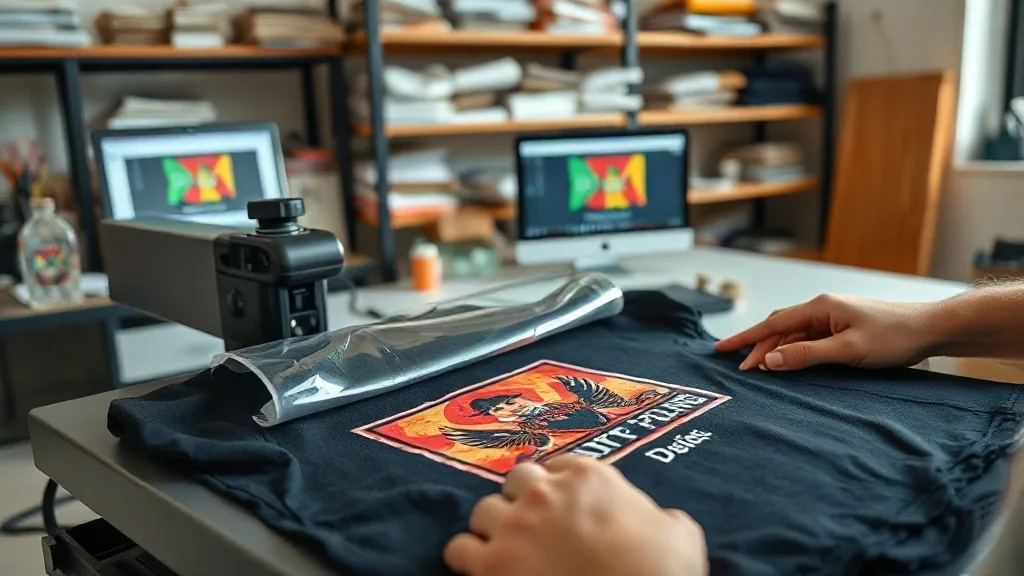
Custom apparel printing has evolved dramatically over the past decade, and one of the most exciting developments is dtf transfers. If you're looking for a versatile, durable, and cost-effective way to add vibrant designs to fabrics, DTF might just be your new best friend. In this guide, we'll walk you through everything you need to know about DTF transfers, from the basics to pro tips, so you can start creating stunning garments that stand out.
What Are DTF Transfers?
DTF stands for Direct-to-Film. It's a printing technology where your design is printed onto a special film, then coated with a powder adhesive and cured. The result is a transfer that can be heat-pressed onto various fabrics, including cotton, polyester, blends, and even some synthetics. Unlike DTG (Direct-to-Garment) or screen printing, dtf doesn't require pre-treatment or special inks, making it accessible for small businesses and home crafters alike.
Why Choose DTF Transfers?
There are several compelling reasons to consider DTF for your printing needs. First, the color vibrancy is outstanding. DTF printers use high-quality pigment inks that produce bright, saturated colors that hold up wash after wash. Second, DTF transfers work on a wide range of materials, including dark and light fabrics, without the need for separate white ink underbase. This simplifies the process and reduces costs. Third, DTF is incredibly durable; when applied correctly, the transfers can outlast the garment itself. Finally, DTF is cost-effective for short runs and one-offs, as there's no minimum order quantity and no setup fees like screen printing.
How to Apply DTF Transfers
Applying DTF transfers is straightforward if you follow the right steps. Here's a quick rundown:
- Preheat your heat press to the recommended temperature (usually around 300°F to 325°F).
- Place your garment on the press and pre-press for a few seconds to remove moisture.
- Position the DTF transfer on the garment with the printed side facing up.
- Press with medium pressure for 10-15 seconds.
- Peel the film while it's still hot (or cold, depending on the film type) in a smooth, consistent motion.
- Post-press for a few seconds to ensure the transfer adheres fully.
Always check the specific instructions provided by your transfer supplier, as temperatures and times can vary.
DTF vs. Other Printing Methods
How does DTF stack up against other popular printing techniques? Let's compare:
- DTF vs. DTG: DTG requires pre-treatment and works best on 100% cotton. DTF works on more fabrics and doesn't need pre-treatment, but DTG can produce a softer feel on cotton.
- DTF vs. Screen Printing: Screen printing is more cost-effective for large orders, but DTF wins for small batches and complex designs with many colors.
- DTF vs. Vinyl: Vinyl is great for simple text and shapes, but DTF handles detailed, multi-color designs with ease.
Each method has its strengths, but DTF offers a great balance of versatility, quality, and cost for many applications.
Finding DTF Transfers Near You
If you're eager to try DTF but don't want to invest in a printer, you can order transfers from specialized suppliers. A quick search for dtf transfers near me will reveal local and online options. Many companies offer fast turnaround and shipping, so you can get high-quality transfers delivered to your door. When choosing a supplier, look for reviews, sample packs, and clear instructions to ensure a smooth experience.
Tips for Success with DTF
To get the best results with DTF transfers, keep these tips in mind:
- Store transfers properly: Keep them in a cool, dry place away from direct sunlight to prevent the adhesive from curing prematurely.
- Use the right pressure: Too little pressure can cause poor adhesion, while too much can cause the design to spread.
- Test on scrap fabric: Before pressing onto a final garment, do a test press to dial in your settings.
- Wash inside out: To prolong the life of your DTF-printed garments, wash them inside out in cold water and tumble dry low.
Frequently Asked Questions
Can DTF transfers be applied to any fabric?
DTF transfers work on a wide range of fabrics, including cotton, polyester, blends, and some synthetics. However, fabrics with special coatings or finishes may not adhere well, so always test first.
How long do DTF transfers last?
When applied correctly and cared for properly, DTF transfers can last as long as the garment itself, often 50+ washes or more.
Do I need a special printer for DTF?
Yes, DTF requires a dedicated DTF printer that uses pigment inks and prints onto film. However, you can order pre-printed transfers from suppliers if you don't want to invest in equipment.
Is DTF transfers safe for children's clothing?
Yes, DTF transfers are safe for children's clothing as long as the inks and adhesives used are non-toxic and comply with safety regulations. Always check with your supplier.
Can I use DTF transfers on dark colors?
Absolutely! DTF transfers include a white ink layer that allows them to show up vibrantly on dark fabrics without the need for a separate white underbase.