
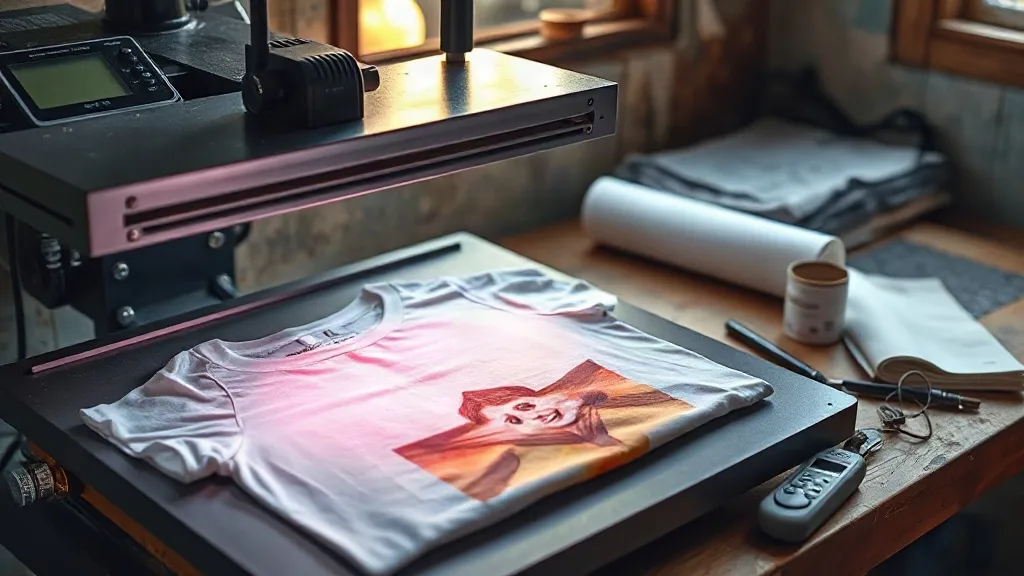
Walk into most small print shops these days and you will see the same thing on the back counter: a compact shaker, a roll of film, and a heat press running hot. Direct-to-film has moved from a niche workaround to a default option for shops that need full-color, short-run decoration without buying a screen for every design. But there is a gap between watching a demo video and running DTF transfers on a Tuesday afternoon when a customer needs forty hoodies by Friday. This guide is about closing that gap.
I have spent the last few years pressing dtf transfers onto cotton tees, poly blends, canvas totes, and the occasional odd request like a nylon jacket that almost ended in disaster. What follows is what I wish someone had told me in month one: the settings that actually matter, the habits that save material, and the warning signs that a transfer is about to fail before it reaches the customer.
What DTF Actually Is, Stripped of Marketing Language
The process is straightforward. A printer lays down a mirror-image design in water-based pigment ink onto a coated PET film. While the ink is still wet, a fine thermoplastic powder is applied and shaken off, leaving adhesive stuck only where ink sits. That film then goes through a curing step, and the result is a transfer you can store, ship, or press onto fabric weeks later.
What separates dtf from vinyl cutting or screen printing is the combination of full color and no setup cost. There is no color separation, no screen burning, no weeding tiny letters out of a sheet of vinyl at midnight. A one-off shirt costs the same per unit as the twentieth shirt in a run. That economics is why the technology spread so fast through shops that live on small orders.
Where DTF Fits and Where It Does Not
DTF excels on cotton, poly-cotton blends, and most synthetics. It handles gradients, photographic images, and fine detail that would be painful in vinyl. It is less ideal on stretchy performance fabrics that need a low-cure, stretch-friendly adhesive, and it will never match the softness of a properly printed water-based screen print on a light cotton tee. Knowing that limit keeps you from overpromising.
The Materials That Decide Your Quality
Most complaints about DTF trace back to materials, not technique. Two variables dominate: the film and the powder.
- Film coating: Cheap film releases inconsistently, which shows up as ink transferring to the press sheet instead of the garment. Cold-peel films and hot-peel films behave differently and are not interchangeable mid-job.
- Powder mesh size: Finer powder gives a softer hand and better detail on small text. Coarser powder bonds more aggressively and suits heavy coverage, but it feels thicker on the shirt.
- Ink quality: Pigment inks vary in how much they stretch after curing. Inks that cure too hard crack at the shoulder seams of a fitted tee.
My rule is simple: pick one film and one powder, then run them for a month before testing anything else. Changing two variables at once means you learn nothing when a job fails.
Curing Is Not Optional and Not Approximate
Powder has to melt into a continuous adhesive layer, not just sit on the surface. Under-cured transfers look fine on the press and then shed powder in the wash. Over-cured transfers get brittle and crack. A cheap infrared thermometer pays for itself in a week. Aim for the temperature range your powder manufacturer specifies and check the actual film surface, not the oven display.
Press Settings That Hold Up After Ten Washes
Every shop develops its own numbers, but the principles hold. Pressure should be firm and even, temperature should match the film and powder spec, and time should be long enough for the adhesive to flow into the fiber without scorching the garment.
- Pre-press the garment for a few seconds to remove moisture. Damp fabric is the single most common cause of a transfer that peels at the corners.
- Press the transfer at the recommended temperature with medium-to-firm pressure, then peel according to the film type. Cold peel means cold peel.
- Post-press with a cover sheet for a few seconds. This step is skipped constantly and it is the difference between a smooth finish and a textured, grainy one.
Write your settings on a card and tape it to the press. New staff will thank you, and so will your reprint rate.
Buying Transfers Instead of Printing Them
Not every shop wants a printer, a shaker, and an oven in the back room. Outsourcing is a legitimate model, especially for low-volume shops or those testing whether DTF belongs in their lineup at all. The catch is that quality now depends on someone else's process, and you inherit their mistakes.
When you are searching for dtf transfers near me, the factors that matter are turnaround time, gang sheet pricing, and whether the supplier will tell you their film and powder specs. A supplier who cannot answer basic questions about cure temperature is a supplier who will cost you customers. Order a small test sheet first, press it on the fabric you actually sell, and wash it three times before committing to a bulk order.
Gang Sheets and Cost Control
Most suppliers price by sheet area rather than by design count. That rewards you for nesting efficiently. Rotate small logos into the gaps around large prints, and keep a running file of one-off designs that can fill leftover space. Shops that treat gang sheets as a puzzle routinely cut their per-unit cost by a third without changing suppliers.
Storage and Handling Mistakes That Ruin Good Transfers
Cured transfers are stable, but not indestructible. Humidity is the enemy. Film stored in a damp basement will absorb moisture and press with pinholes and adhesion failures. Keep transfers in a sealed bag with a desiccant pack, flat and away from heat. Do not stack heavy boxes on top of them, and do not let them sit in a hot car between the supplier and your shop.
Also resist the urge to pre-peel or trim transfers long before a job. The carrier film protects the adhesive, and handling introduces oils from your fingers that weaken the bond.
When a Transfer Fails, Diagnose Before You Blame the Supplier
Peeling corners usually mean insufficient pressure or a cold spot on the platen. Cracking after washing points to under-curing or a stretch mismatch between ink and fabric. A dull, grainy surface means the post-press cover sheet was skipped. Powder residue around the design suggests the shaker was overloaded or the excess was not shaken off properly. Working through these causes in order saves you from replacing a supplier you did not need to replace.
Frequently Asked Questions
How long do DTF transfers last on a shirt?
With correct pressing and proper washing, most quality transfers hold up for the life of the garment. Wash inside out in cold water, avoid fabric softener on the print area, and skip the dryer's high heat setting. Following those three habits makes a bigger difference than the brand of transfer you buy.
Can I press DTF onto 100 percent polyester?
Yes, and it bonds well, but you need to lower the press temperature. Polyester can scorch or develop a shine at cotton settings, and some dyes sublimate into the adhesive. Test on a scrap piece of the exact fabric before running a full order.
Do I need a special press for DTF?
A standard clamshell or swing-away heat press works fine as long as it holds consistent temperature and pressure across the platen. The one upgrade worth considering is a press with a digital pressure readout, since consistency is where most failures originate.
Is it cheaper to print my own transfers or order them?
Below a few hundred impressions a month, ordering usually wins once you account for printer maintenance, powder, film, and the learning curve. Above that volume, in-house production starts to pay off, particularly if you need same-day turnaround on small orders.
Why did my transfer peel after the first wash?
The most likely causes are moisture in the garment before pressing, insufficient pressure, or a cold peel done too early. Re-press a peeled corner with a cover sheet at the correct settings and it will often reattach, which also confirms the diagnosis.
Building a Process You Can Repeat
The shops that get consistent results from DTF are not the ones with the most expensive equipment. They are the ones that wrote down their settings, kept their materials dry, and tested new suppliers before trusting them with a client order. Treat every transfer as a small manufacturing step with inputs you control, and the failure rate drops fast. Start with one film, one powder, one set of press numbers, and a wash test on every new fabric. Everything else is refinement.