
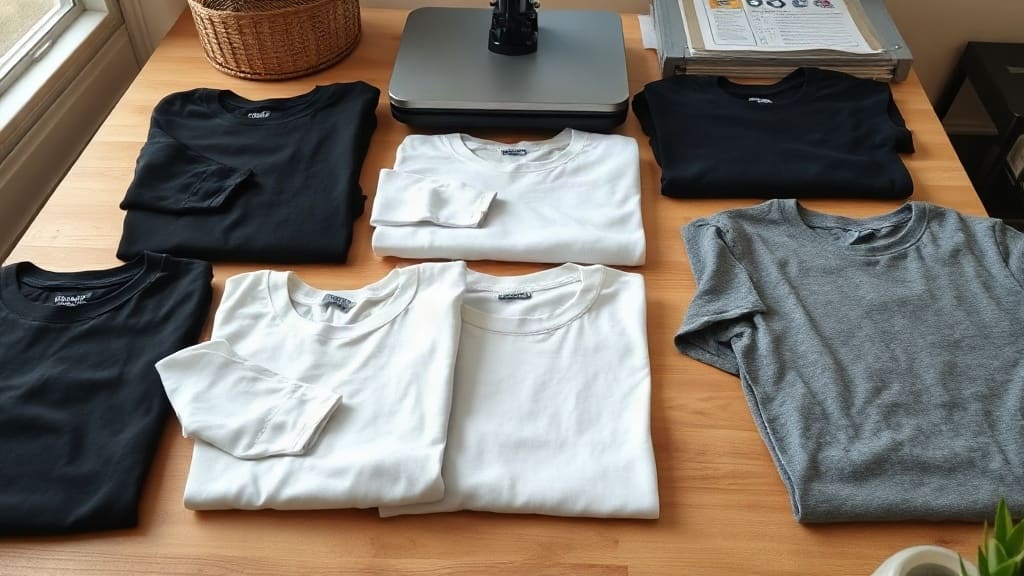
When you're building a custom apparel line, the decision between smart blanks, Shaka Wear, and DTF transfers isn't just about price per unit. It's about what your customers feel when they open the package, how your brand holds up after five washes, and whether your production schedule can survive a busy season. I've spent the last few years helping small brands navigate this exact crossroads, and the answer is rarely the same twice. Let's break down the real-world trade-offs so you can choose with confidence.
What Are Smart Blanks and Why Do They Matter?
Smart blanks is a term that's gained traction for garments engineered with modern fabric blends and construction details that outperform traditional blanks. Think moisture-wicking cotton-poly hybrids, reinforced shoulder seams, and consistent sizing across colorways. They're designed for decorators who need reliability at scale. If you've ever had a batch of tees with inconsistent dye lots or hems that twist after printing, you understand the value of a blank that behaves the same way every time.
From a branding perspective, smart blanks let you offer a product that feels premium without the premium price tag of luxury retail. Your customer doesn't know the blank's origin, but they notice whether the shirt drapes well and survives a hot dryer. That's the quiet advantage: consistency builds trust, and trust builds repeat orders.
Where Smart Blanks Shine
- High-volume runs where uniformity is non-negotiable
- Performance-focused niches like activewear or workwear
- Brands that want a signature feel across multiple product drops
Potential Drawbacks
Smart blanks often come with minimum order quantities and slightly longer lead times. If you're testing a new design, ordering 500 units to hit a price break can feel risky. Also, not every smart blank is compatible with every decoration method, so you'll need to verify compatibility before committing.
Shaka Wear: The Streetwear Staple
Shaka Wear has carved out a loyal following in the streetwear and urban fashion space. Their heavyweight cotton tees and fleece have a distinct hand feel that resonates with customers who want that broken-in, substantial look. For brands targeting skate, hip-hop, or casual street style, Shaka Wear often becomes the default choice because the blank itself communicates a vibe.
What sets Shaka Wear apart is its focus on fit and fabric weight. Their classic tee runs heavier than most standard blanks, which means it holds its shape and showcases prints well. However, that weight can be a double-edged sword for certain decoration methods. Heavy cotton can require specific screen printing techniques or transfer settings to avoid cracking.
When Shaka Wear Is the Right Call
- Streetwear brands that want an instant aesthetic
- Products where fabric weight is a selling point
- Small-batch drops where you can manage inventory closely
What to Watch For
Shaka Wear's popularity means stock can fluctuate, especially in trending colors. If you're planning a seasonal drop, secure your inventory early. Also, their sizing can run differently from standard blanks, so always order samples before finalizing your size chart.
DTF Transfers: Flexibility Without the Setup
DTF transfers have revolutionized small-batch custom apparel by eliminating screens, minimums, and color limitations. A DTF transfer is a printed film that you heat-press onto a garment, and it can reproduce full-color images, gradients, and fine details without the cost of screen setup. For brands that iterate quickly or offer personalized products, DTF transfers are a game-changer.
The magic of DTF transfers lies in their versatility. You can apply them to cotton, polyester, blends, and even some nylon jackets. That means you can mix and match blanks from different suppliers without worrying about compatibility. If you're combining smart blanks for your core line and Shaka Wear for a limited edition, DTF transfers let you decorate both with the same artwork.
Where DTF Transfers Excel
- Small batches and one-off custom orders
- Complex artwork with many colors or gradients
- Testing new designs without committing to screens
Limitations to Keep in Mind
DTF transfers have a distinct feel on the garment, slightly rubbery compared to screen printing. For some customers, that's a dealbreaker. Durability is good when applied correctly, but improper heat press settings can lead to peeling. You'll need a reliable heat press and consistent pressure to get professional results.
How to Choose the Right Combination for Your Brand
The smartest approach is often not choosing one over the others but combining them strategically. Use smart blanks for your core essentials where consistency drives repeat purchases. Bring in Shaka Wear for statement pieces that need that heavyweight, streetwear feel. Then use DTF transfers to decorate both, especially for small runs or designs that would be costly to screen print.
Consider your customer's expectations. If they're buying a $15 tee, they might not scrutinize the blank's origin. If they're paying $45, they'll notice everything. Match your blank choice to your price point and brand promise. Also, factor in your production capacity. DTF transfers require a heat press and a dedicated workspace, while screen printing demands more equipment and space.
Testing Before Scaling
Always order samples of each blank and decoration method before committing to a large order. Wash test them at least five times to see how the print and fabric hold up. I've seen brands save thousands by catching a compatibility issue early. And don't underestimate the power of customer feedback. Send samples to a few loyal customers and ask for honest impressions.
Frequently Asked Questions
Are smart blanks worth the higher cost compared to standard blanks?
It depends on your brand positioning. If you're selling premium basics or performance wear, smart blanks can justify a higher retail price and reduce returns due to quality issues. For budget-focused lines, standard blanks may suffice.
Can I use DTF transfers on Shaka Wear garments?
Yes, DTF transfers work well on Shaka Wear's cotton and fleece. Because Shaka Wear fabrics are heavier, you may need to adjust your heat press settings slightly. Always follow the transfer supplier's recommended temperature and pressure guidelines.
What's the minimum order for smart blanks?
Minimums vary by supplier and style, but many smart blank programs start at 24 to 72 units per color. Some premium lines require 144 units or more. Always ask for a current price list and MOQ sheet.
How long do DTF transfers last on apparel?
With proper application and care, DTF transfers can last 50 washes or more. Turn the garment inside out, wash in cold water, and avoid fabric softener to maximize longevity.
Which option is best for a new brand with a limited budget?
Start with DTF transfers on a mid-range blank that fits your niche. This keeps upfront costs low and lets you test designs. As you grow, you can negotiate better pricing on smart blanks or Shaka Wear and scale your production.