
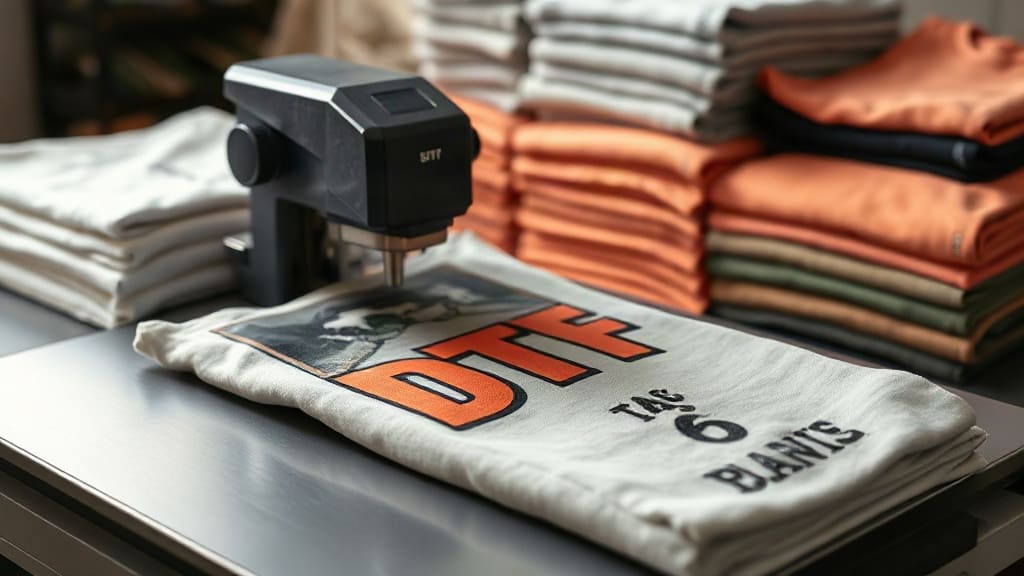
When you're printing custom apparel, the blank you choose can make or break the final product. Two names that frequently come up in decoration circles are smart blanks and shaka wear. Both offer appealing options, but how do they hold up when paired with dtf transfers? If you've ever peeled a transfer only to watch it crack or fade after a few washes, you know the struggle. This guide dives into the practical differences between these blanks, so you can pick the right one for your next project and avoid costly mistakes.
Why the Blank Matters for DTF Transfers
DTF transfers have revolutionized custom printing. They allow for full-color designs on almost any fabric, with a soft feel and impressive durability. But not all blanks are created equal. The fabric content, weave, and finish all influence how well the transfer adheres and how long it lasts. A blank that's too loose or has a heavy finish can cause the transfer to peel or crack prematurely. That's why understanding the characteristics of your blank is crucial before you heat press.
Smart Blanks: The Underrated Workhorse
Smart blanks have quietly built a reputation among decorators for their consistent quality and affordability. These blanks often feature a tight knit and a smooth surface, which provides an ideal canvas for dtf transfers. The fabric is typically a cotton-poly blend, offering a good balance of softness and durability. When you press a transfer onto a Smart Blank, the adhesive grabs well, and the design stays put even after repeated washing. Many users report that Smart Blanks hold up better than expected for their price point, making them a smart choice for bulk orders or budget-conscious projects.
Key Features of Smart Blanks
- Fabric composition: Often a 50/50 or 60/40 cotton-poly blend, which provides a smooth surface for transfers.
- Weight: Typically around 5.5 to 6 oz, giving a substantial feel without being too heavy.
- Fit: Available in a range of styles from classic to slim, catering to different preferences.
- Price: Generally more affordable than premium brands, making them great for testing designs or large orders.
How Smart Blanks Perform with DTF Transfers
In my experience, smart blanks take dtf transfers like a champ. The tight weave prevents the transfer from sinking in too deep, so the colors stay vibrant and the details remain crisp. I've pressed transfers onto Smart Blanks at 325°F for 15 seconds with medium pressure and got excellent results. The transfer adhered evenly, with no lifting at the edges. After multiple washes inside out, the design showed minimal fading. However, one thing to watch: some Smart Blanks have a slight sheen, which can affect the final look if you're going for a matte finish. But overall, they're a reliable option that won't break the bank.
Shaka Wear: Heavyweight Champion
Shaka wear is known for its heavyweight fabrics and streetwear-inspired fits. These blanks are popular among brands that want a premium feel and a boxy silhouette. The fabric is usually 100% cotton or a high-cotton blend, with a heavier weight that drapes well and feels substantial. When it comes to dtf transfers, Shaka Wear presents both advantages and challenges. The heavier fabric can absorb more heat, so you might need to adjust your press settings to ensure proper adhesion. But once you dial it in, the results are impressive: the transfer bonds firmly, and the design looks like it's part of the garment.
Key Features of Shaka Wear
- Fabric composition: Often 100% cotton or 90/10 cotton-poly, providing a soft, breathable feel.
- Weight: Typically 6.5 oz and up, giving a premium, durable feel.
- Fit: Boxy and oversized styles, ideal for streetwear and modern trends.
- Price: Higher than Smart Blanks, but justified by the quality and brand cachet.
How Shaka Wear Performs with DTF Transfers
Pressing dtf transfers onto shaka wear requires a bit more finesse. Because the fabric is heavier, I recommend pre-pressing the garment for a few seconds to remove moisture and wrinkles. Then, press at 325°F for 15-20 seconds with firm pressure. The extra time ensures the adhesive penetrates the thicker fibers. I've found that Shaka Wear holds transfers well, but the heavier cotton can sometimes cause the transfer to feel a bit stiffer initially. However, after a wash or two, it softens up. The key is to avoid over-pressing, which can scorch the fabric or cause the transfer to gel. With the right technique, Shaka Wear delivers a durable, high-end look that customers love.
Comparing Smart Blanks and Shaka Wear for DTF Transfers
So, which one should you choose? It depends on your priorities. If you're looking for a budget-friendly option that still delivers good results, smart blanks are a solid choice. They're easy to press and work well for a variety of designs. On the other hand, if you want a premium, heavyweight feel and don't mind paying a bit more, shaka wear is worth the investment. Both blanks can produce excellent results with dtf transfers if you follow the right techniques. Let's break down the comparison:
- Adhesion: Both adhere well, but Shaka Wear may require slightly longer pressing due to its weight.
- Durability: Shaka Wear's heavier fabric may outlast Smart Blanks in terms of garment longevity, but transfer durability is similar if applied correctly.
- Feel: Smart Blanks tend to have a smoother, slightly slicker finish; Shaka Wear feels more like traditional cotton.
- Price: Smart Blanks are more economical; Shaka Wear commands a premium.
- Best for: Smart Blanks for budget projects and bulk orders; Shaka Wear for premium brands and streetwear.
Tips for Successful DTF Transfers on Any Blank
Regardless of which blank you choose, these tips will help you get the best results:
- Pre-press the garment: This removes moisture and wrinkles, ensuring a smooth surface for the transfer.
- Use the right temperature: Most DTF transfers require 325°F, but always check the transfer supplier's instructions.
- Apply consistent pressure: Medium to firm pressure is key. If your press has a gauge, aim for 40-60 PSI.
- Peel correctly: Wait a few seconds for the transfer to cool slightly before peeling. Most DTF transfers are cold peel, but some are hot peel. Know which type you have.
- Post-press for durability: After peeling, give it a second press for 5-10 seconds with a cover sheet to ensure the transfer fully bonds.
- Wash inside out: Advise your customers to wash inside out in cold water and tumble dry low to extend the life of the print.
Frequently Asked Questions
Can I use DTF transfers on both Smart Blanks and Shaka Wear?
Yes, both blanks are compatible with DTF transfers. However, due to differences in fabric weight and composition, you may need to adjust your press settings. Smart Blanks typically require standard settings, while Shaka Wear may need a slightly longer press time.
Which blank is more durable for DTF printing?
Both are durable, but Shaka Wear's heavier fabric may provide a longer-lasting garment. The DTF transfer itself, when applied correctly, will last similarly on both. The key is proper application and care.
Do I need to pre-treat Smart Blanks or Shaka Wear before DTF printing?
No pre-treatment is necessary for DTF transfers. However, pre-pressing the garment to remove moisture and wrinkles is recommended for optimal adhesion.
What's the best temperature for pressing DTF transfers on these blanks?
Generally, 325°F (160°C) is the sweet spot for both. For Shaka Wear, you might extend the press time to 20 seconds to ensure the adhesive penetrates the heavier fabric.
Are Smart Blanks or Shaka Wear better for bulk orders?
Smart Blanks are often more cost-effective for bulk orders, making them a popular choice for large projects. Shaka Wear, with its premium feel, is better suited for smaller, high-end runs where quality is paramount.