
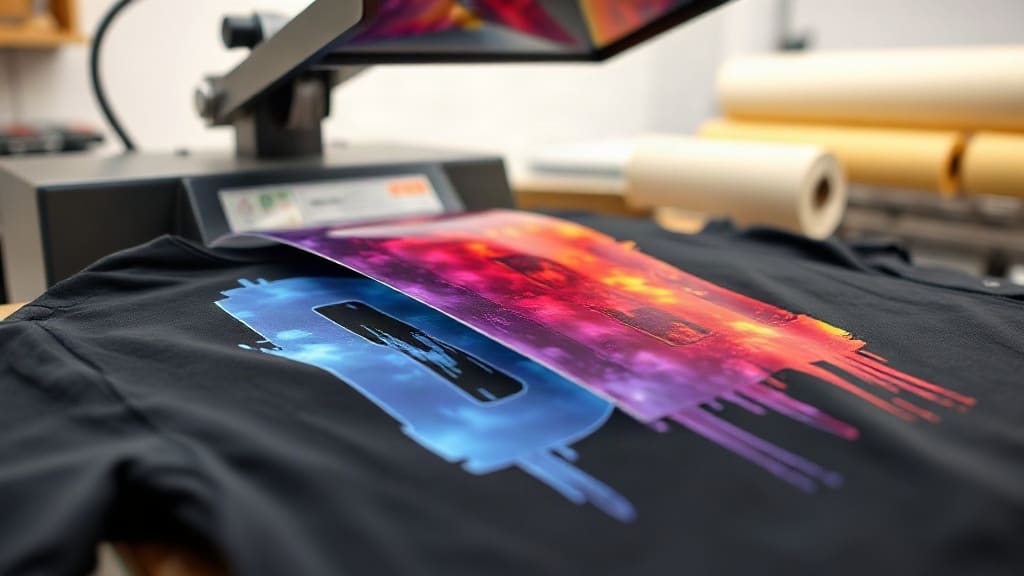
If you've been exploring custom apparel printing, you've likely heard about DTF transfers. This innovative technology is quickly becoming a favorite among hobbyists and professionals alike, offering vibrant colors and exceptional durability on a wide range of fabrics. Unlike traditional methods that require specific materials, DTF transfers work beautifully on cotton, polyester, blends, and even nylon. In this guide, I'll walk you through everything you need to know to get started with DTF transfers, from the basic process to advanced tips that ensure professional-looking results every time. Whether you're a small business owner looking to expand your product line or a DIY enthusiast wanting to create custom gifts, DTF transfers provide a versatile and cost-effective solution.
What Are DTF Transfers?
DTF stands for Direct to Film. It's a printing method where your design is printed onto a special film, coated with a powder adhesive, and then heat-pressed onto the fabric. The result is a soft, stretchable print that bonds permanently to the material. Unlike DTG (Direct to Garment) printing, which requires pre-treatment and works best on cotton, DTF transfers can be applied to almost any fabric type. This flexibility makes them ideal for printing on dark colors, synthetic blends, and even unusual items like canvas bags or denim jackets. The process involves several steps, but once you get the hang of it, you can produce high-quality custom items quickly and efficiently.
The DTF Transfer Process Step by Step
Understanding the workflow is key to success with DTF transfers. Here's a detailed breakdown of each stage:
1. Design Preparation
Start with a high-resolution image. Vector files are best, but high-quality PNGs (300 DPI) work well too. Remember that DTF prints are opaque, so you don't need to mirror the image unless your printer software requires it. However, most DTF printers print the design in reverse so that when transferred, it reads correctly. Always check your printer's guidelines.
2. Printing
Load the DTF film into your printer. The film has a coated side that receives the ink. Ensure you print on the correct side; otherwise, the ink won't adhere properly. Use pigment-based inks designed for DTF. Print the design, and if your printer supports white ink, it will lay down a white base layer behind the colors to make them pop on dark fabrics.
3. Powder Application
While the ink is still wet, sprinkle the hot-melt adhesive powder evenly over the printed design. Shake off the excess. This powder will melt during heat pressing and bond the design to the fabric. You can apply the powder manually or use a shaker machine for even distribution.
4. Curing
Place the film in a curing oven or under a heat press for a short time to melt the powder. The powder should turn from a matte white to a glossy, clear finish. This step is crucial; undercuring leads to poor adhesion, while overcuring can damage the film.
5. Heat Pressing
Set your heat press to the recommended temperature (usually around 300-320°F) and pressure. Place the transfer on the garment with the design facing up, cover with a protective sheet, and press for 10-15 seconds. Let it cool completely before peeling off the film. You can peel it hot or cold depending on the film type; cold peel is more common for DTF.
Why Choose DTF Transfers Over Other Methods?
DTF transfers offer several advantages that make them stand out:
- Versatility: Works on cotton, polyester, blends, nylon, and more.
- No pre-treatment: Unlike DTG, you don't need to pre-treat the fabric.
- Vibrant colors: With a white ink base, colors remain bright even on dark garments.
- Durability: Prints withstand repeated washing without cracking or fading.
- Cost-effective for small batches: No minimums, ideal for one-offs or small runs.
- Soft feel: The prints are thin and stretch with the fabric.
However, DTF isn't perfect for every situation. For very large orders, screen printing might be more economical. Also, the process requires a specialized printer and supplies, which can be an upfront investment.
Common Challenges and How to Overcome Them
Even with a solid understanding, you might run into issues. Here are some common problems and solutions:
- Poor adhesion: Usually caused by insufficient pressure, wrong temperature, or undercuring the powder. Double-check your settings and ensure the powder is fully melted.
- Clogged printheads: DTF inks can dry out if not used regularly. Perform daily maintenance and use a humidifier if needed.
- Color fading: Use high-quality inks and store prints properly before pressing. Also, ensure the white layer is thick enough.
- Film curling: Store film flat and avoid humidity. Curling can cause misfeeds.
By troubleshooting systematically, you'll quickly master the variables.
Tips for Professional Results
To elevate your DTF transfers from good to great, consider these expert tips:
- Use a quality heat press: Consistent temperature and pressure are critical. A clamshell press works, but a swing-away press provides more even pressure.
- Test your settings: Every fabric and transfer combination may require slight adjustments. Keep a log of what works.
- Handle with care: Avoid touching the printed area before pressing; oils from your skin can affect adhesion.
- Wash inside out: Advise your customers to wash garments inside out in cold water and avoid fabric softener to prolong the print's life.
- Invest in a powder shaker: For consistent results, a shaker machine saves time and reduces waste.
Frequently Asked Questions
How long do DTF transfers last?
With proper application and care, DTF transfers can last as long as the garment itself. They withstand 50+ washes without significant fading or cracking when washed inside out in cold water and tumble dried on low.
Can I use DTF transfers on dark shirts?
Absolutely! DTF transfers are excellent for dark fabrics because the white ink base layer ensures colors remain vibrant and opaque. This is a major advantage over DTG, which often requires a white underbase that can feel thick.
What fabrics work best with DTF?
DTF works on a wide range of fabrics including cotton, polyester, cotton-poly blends, nylon, and even leather. It's not recommended for fabrics with a heavy texture or those that cannot withstand heat (e.g., some synthetics with low melting points).
Do I need a special printer for DTF?
Yes, you need a DTF printer that uses pigment inks and has a white ink channel. Converted Epson printers are popular for entry-level setups. Alternatively, you can outsource printing to a DTF service and just do the pressing yourself.
How do I store DTF transfers?
Store unused transfers in a cool, dry place, away from direct sunlight. Keep them flat to prevent curling. If stored properly, they can last for several months.
DTF transfers have opened up new possibilities for custom apparel, making it easier than ever to create vibrant, durable prints on almost any fabric. With the right equipment and a bit of practice, you can achieve professional results that impress your customers or elevate your personal projects. Dive in and experiment; the world of DTF is full of potential.