
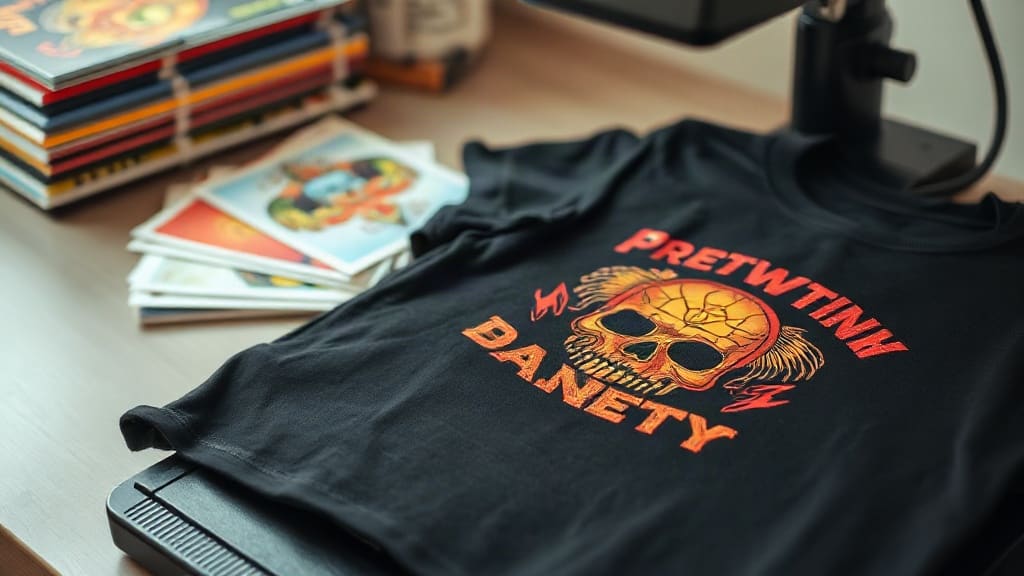
If you've been exploring custom apparel printing, you've likely encountered DTF transfers. This innovative technology is transforming how creators and businesses produce vibrant, durable designs on fabrics. Unlike traditional methods, DTF transfers offer unmatched versatility and simplicity. In this guide, we'll dive deep into what DTF transfers are, why they're gaining popularity, and how you can use them to bring your creative visions to life.
What Are DTF Transfers?
DTF stands for Direct to Film. It's a printing method where your design is printed onto a special film, coated with adhesive powder, and then heat-pressed onto fabric. The result is a soft, stretchable, and long-lasting print that adheres to various materials, including cotton, polyester, and blends. Unlike DTG (Direct to Garment) printing, which requires pre-treatment and works best on 100% cotton, DTF transfers are incredibly versatile and don't require any fabric pre-treatment. This makes them a favorite for small businesses, crafters, and anyone looking to create professional-grade custom apparel without a steep learning curve.
The DTF Printing Process
Understanding the process helps you appreciate the magic behind DTF transfers. Here's a step-by-step breakdown:
- Design Preparation: Your artwork is prepared digitally, ensuring it's mirrored and sized correctly.
- Printing: A specialized DTF printer lays down a layer of white ink as a base, followed by the colored inks. The white base is crucial for vibrant colors on dark fabrics.
- Powdering: While the ink is still wet, a thermoplastic adhesive powder is applied evenly over the printed film.
- Curing: The film passes through a heat source (like a heat press or oven) to melt the powder, creating a dry, tacky surface.
- Transfer: The film is placed on the fabric and heat-pressed. The adhesive melts, bonding the design to the fabric. Once cooled, the film is peeled away, leaving a vibrant, durable print.
Why Choose DTF Transfers?
DTF transfers have rapidly become a go-to solution for custom apparel. Here's why:
- Versatility: Works on almost any fabric, including cotton, polyester, nylon, and blends. Even on dark colors, the white base ensures bright, opaque prints.
- Durability: The prints resist cracking, peeling, and fading, even after multiple washes. They stretch with the fabric, making them ideal for activewear.
- No Weeding or Cutting: Unlike vinyl, DTF transfers don't require tedious weeding or cutting. You simply print, powder, cure, and press.
- Cost-Effective for Short Runs: No minimum order quantities, making them perfect for small businesses, personalized gifts, and sample production.
- High Detail: DTF printers can reproduce intricate details, gradients, and photorealistic images with stunning clarity.
DTF vs. Other Printing Methods
How does DTF stack up against DTG, screen printing, and vinyl? Let's compare:
- DTG: Best for 100% cotton, requires pre-treatment, and can be costly for small runs. DTF works on more fabrics without pre-treatment.
- Screen Printing: Cost-effective for large orders but setup costs are high, and it's not practical for complex, multi-color designs. DTF excels at detailed, full-color prints without setup fees.
- Vinyl: Great for simple designs but limited in color and detail. DTF handles complex artwork effortlessly.
How to Apply DTF Transfers
Applying DTF transfers is straightforward, but following the right steps ensures a professional finish. Here's what you need:
- Heat press (or iron with caution)
- DTF transfer film
- Fabric of your choice
- Parchment paper or Teflon sheet
Step-by-Step Application
- Preheat the Fabric: Set your heat press to 325°F (160°C) and pre-press the garment for 5-10 seconds to remove moisture and wrinkles.
- Position the Transfer: Place the DTF transfer film on the fabric with the printed side facing up. Ensure it's exactly where you want it.
- Press: Cover with parchment paper or a Teflon sheet. Press with medium pressure for 15-20 seconds.
- Peel: Allow the transfer to cool completely (cold peel) before gently peeling off the film. For a glossy finish, some prefer a hot peel, but cold peel is generally recommended for DTF.
- Post-Press (Optional): For extra durability, press again for 5-10 seconds with parchment paper.
Tips for Perfect DTF Transfers
To get the best results, keep these tips in mind:
- Test Your Press: Every heat press varies. Test with a small sample to dial in the right temperature, pressure, and time.
- Use Quality Film: Cheaper films can lead to poor adhesion and dull colors. Invest in reputable DTF film and powder.
- Store Properly: Keep unused transfers in a cool, dry place away from direct sunlight to prevent the adhesive from activating prematurely.
- Wash Inside Out: To prolong the life of your print, wash garments inside out in cold water and avoid harsh detergents.
Common Mistakes to Avoid
Even seasoned crafters can slip up. Watch out for these pitfalls:
- Insufficient Pressure: Too little pressure results in poor adhesion. Make sure your press is firm.
- Peeling Too Soon: Peeling while hot can distort the design. Always wait for it to cool.
- Uneven Powdering: Excess powder can cause a rough texture; too little leads to weak bonding. Shake off excess gently.
- Ignoring Fabric Type: While DTF works on many fabrics, some like nylon require lower temperatures. Always check fabric compatibility.
Frequently Asked Questions
How long do DTF transfers last?
With proper application and care, DTF transfers can last 50+ washes without significant fading or cracking. They are known for their durability, often outlasting other print methods.
Can I use DTF transfers on dark colors?
Absolutely! DTF transfers include a white ink base, which allows vibrant colors to pop on dark fabrics. This is one of their biggest advantages over DTG.
Do I need a special printer for DTF?
Yes, DTF requires a dedicated DTF printer that uses pigment inks and a white ink channel. However, you can also order pre-printed DTF transfers from suppliers and apply them with a heat press.
What fabrics work best with DTF?
DTF works well on cotton, polyester, blends, nylon, and even leather. It's not recommended for fabrics with a heavy water-repellent coating.
How do I store DTF transfers?
Store them flat in a cool, dry place, away from direct sunlight and moisture. Avoid stacking heavy items on top to prevent the powder from flaking off.
DTF transfers are a game-changer for custom apparel. Whether you're a small business owner, a crafting enthusiast, or just someone who loves personalized gear, DTF offers a versatile, durable, and cost-effective solution. With the right tools and techniques, you can achieve professional results right from your home or studio. So why not give it a try? Your next custom creation is just a press away.